Utility Assistance FAQ:
Help With Your Bills
Find out where to ask for help, what to prepare, and what to do if you face a shutoff. Start with the questions that fit your situation.
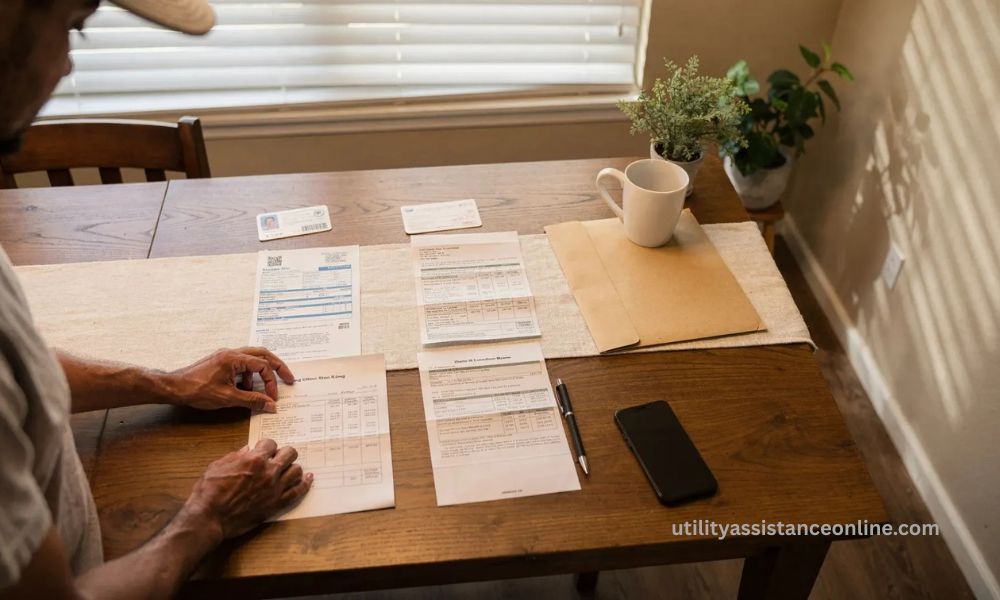
Have a shutoff notice or no power?
Call the number on your utility bill and ask about a payment arrangement. Then contact 211 for local emergency assistance referrals. Tell both the utility and the agency your shutoff date.
Emergency help & shutoffs
Who helps with utility bills?
Start with your utility company, your local LIHEAP office, or 211. Your provider may offer a payment plan or hardship fund. A community action agency or local nonprofit may help pay an eligible bill, depending on available funds.
Give the agency your city, ZIP code, utility name, and any shutoff deadline so staff can identify programs serving your household.
Find local referrals: 211 utility assistance.
How can I get emergency utility assistance online?
Use your state or tribal LIHEAP office to locate the correct application or intake agency. Some agencies accept online applications; others require a call or appointment. Ask for crisis assistance and explain your deadline before submitting routine paperwork.
For an imminent shutoff, call your utility as well. Ask it to confirm whether an approved arrangement or agency pledge will keep service on.
Start here: LIHEAP local assistance directory.
My electricity was shut off. How can I get it turned back on?
Contact your utility and ask what it requires to reconnect service, including any payment, deposit, or fee. Request an affordable arrangement and ask whether it accepts a pledge from an assistance agency. Contact your local crisis program for help with that requirement.
Get the reconnection instructions and expected timing from the utility. If loss of power creates a medical emergency, call 911.
Official starting point: USAGov energy bill help.
Will applying for assistance stop a disconnection?
Do not assume that submitting an application places a hold on your account. Ask your utility to confirm the protection or payment arrangement that applies to you. State rules may provide protections for certain medical situations or weather conditions; ask what documentation you need.
Can a church or the Salvation Army help pay my electric bill?
Some local churches and Salvation Army offices offer utility assistance. Each location sets its service area, intake process, and funding limits. Call before visiting to ask whether the office has funds and which documents it needs.
Check local services through The Salvation Army or 211.
LIHEAP & eligibility
What is LIHEAP, and what does it cover?
LIHEAP stands for the Low Income Home Energy Assistance Program. It helps eligible households with heating or cooling costs and energy emergencies. Your state, territory, or tribe determines the services available through its program.
Program overview: USAGov.
Who qualifies for utility assistance?
Eligibility depends on the program, where you live, household size, and income. Agencies may also check your responsibility for energy costs and participation in other benefits. There is no single income cutoff for all utility assistance programs.
Ask the local agency which income sources it counts and which period it reviews. Let staff know about a recent job loss or change in household income.
Check local criteria with the LIHEAP eligibility tool; the agency makes the final decision.
Can I get help if I work, receive benefits, or have no income?
You may qualify while working or receiving benefits. Ask how your agency counts wages, unemployment payments, and other income. If you have no income, ask which statement or supporting records the agency accepts.
Local rules apply. See the LIHEAP eligibility tool and Illinois's zero-income example.
Can renters apply if utilities are included in rent?
Renters may qualify. Ask your agency how it handles heat included in rent, shared bills, or subsidized housing. Bring your lease and ask what proof of responsibility for energy costs you need.
Illinois DCEO explains one state's rules; check the rules where you live.
Does LIHEAP pay every month or cover the whole bill?
Ask your agency about benefit amounts and frequency. LIHEAP may provide a one-time or seasonal payment; separate programs may offer monthly discounts. Approval does not mean the program will cover your full balance.
Example of these differences: Illinois energy assistance FAQs.
Applying & documents
Where do I apply for utility assistance?
Apply through the agency that administers the program for your address, or through your utility for its own assistance plans. Use the official LIHEAP directory to find state and tribal contacts. Confirm whether your local office uses an online form, phone interview, or in-person appointment.
What documents do I need to apply?
Ask your agency for its checklist. Common requests include:
- Your latest utility bill and any disconnection notice.
- Identification and information about household members.
- Proof of income or benefit statements for the requested period.
- Proof of your address, such as a lease.
Ask about alternatives if you lack a document. Submit sensitive records through the agency's approved process.
Examples: Ohio's energy assistance checklist and a Salvation Army intake checklist.
How long does approval take, and how do I check my application?
Ask your intake agency for its current processing time and status contact. Keep your confirmation number, submission date, and copies of documents. Confirm that staff have everything they need, and report any new shutoff notice.
For a crisis, ask about emergency review. Approval, payment, and reconnection are separate steps; confirm each with the agency or utility responsible.
See Illinois's example of separate processing and payment timelines. Other states set their own procedures.
Can I apply again or get help from more than one program?
Ask each agency about repeat benefits and combining assistance. A crisis program may have different rules from regular seasonal assistance. Tell staff about pending applications and benefits you have received so they can check for duplicate payments.
Example: Illinois's repeat-assistance FAQ.
What can I do if an agency denies my application or runs out of funds?
Ask for the reason and any review or appeal instructions, including deadlines. If documents are missing, ask how to submit them. If funding has run out, ask about the next intake period and other local programs.
Contact your utility about a payment arrangement and ask 211 for other referrals while you pursue those options.
More starting points: 211 utility resources.
Extensions & forgiveness
How do I get an extension or payment arrangement on my electric bill?
Contact your utility before the due date or the deadline on your shutoff notice. Ask about an extension, installment plan, or hardship program. Explain what you can pay and when.
Before agreeing, confirm the first payment, future installments, fees, and how to keep service active. Save the written terms or confirmation number.
Does Reliant have a grace period or offer payment extensions?
Reliant offers payment extensions under certain conditions. Request an extension rather than assume an automatic grace period. If you have a disconnection notice, Reliant says to request the extension before the notice's due date. Late or other fees may still apply.
Call 1-866-222-7100 or use Reliant's account options. If you use AutoPay, Reliant says to contact it at least three business days before your bill is due to deactivate the automatic payment.
Read our Reliant payment extension guide.
Confirm account terms with Reliant's financial help team.
Can I get overdue utility bills forgiven?
Some utilities offer arrearage management or debt-reduction programs for eligible customers. Ask whether yours offers credits toward past-due debt, what payments you must make, and whether you must renew your eligibility.
A payment extension gives you more time to pay. For debt reduction, ask for a program that credits or forgives part of the balance.
Examples include CMP's Maine program and Ohio PIPP Plus.
How do I apply for utility bill forgiveness in Maine or Ohio?
Maine: Ask your electric utility about its Arrearage Management Program and the required energy-assistance eligibility. CMP publishes program details and application information.
Ohio: Check PIPP Plus eligibility with your local Energy Assistance Provider. The program serves qualifying customers of participating regulated utilities and offers debt credits for on-time, full program payments.
Read our Maine forgiveness guide or Ohio electric bill assistance guide.
Official details: CMP and Ohio Consumers' Counsel.
Water, phone & home upgrades
Where can I get help with my water or sewer bill?
Ask your water provider about customer assistance, bill discounts, and payment plans. Your city or a local nonprofit may have a separate water fund. Call 211 to identify local options and confirm that the program covers your water provider.
Find local contacts through 211 utility assistance.
What is weatherization, and can it pay for new windows?
Weatherization helps eligible households reduce energy use through home improvements. A local provider assesses your home and determines which work qualifies. Do not assume that an application guarantees replacement windows.
Homeowners and renters can apply; renters need their landlord's permission before work begins. Read our weatherization guide for an overview.
Apply through the Department of Energy's weatherization directory.
Is there help with phone or internet bills?
Lifeline offers eligible households a discount on qualifying phone or internet service through participating providers. Check eligibility and provider options with the official Lifeline program. Providers may also offer their own low-income plans.
The Affordable Connectivity Program ended June 1, 2024. Avoid sites that still ask you to enroll in ACP.
Using this website
Does Utility Assistance Online pay bills or approve applications?
Utility Assistance Online provides information and guides to assistance programs. The agency or utility running a program handles applications and decides who qualifies. Reading a guide or requesting information here does not submit a benefits application.
Do I need to pay or sign up to read your guides?
You can read our public guides without a fee or account. The optional assistance-guide request form asks for contact information so we can send information by email. That request is separate from applying to a utility assistance program.
Read our privacy policy before submitting personal information.
How can I spot a utility assistance scam?
Be suspicious of unexpected callers who threaten a shutoff and demand gift cards, cryptocurrency, or a money transfer. Hang up and call the number printed on your utility bill to check your account.
Verify an agency through an official program directory before sharing documents. Keep account numbers, Social Security numbers, and copies of bills out of public questions or comments.
Read the FTC's utility scam guidance.
Where can I ask a question that is not answered here?
Use our Ask Us a Question page for general guidance. Include your city, state, and the type of bill you need help with, without account details or personal documents.
For application status, contact the agency processing your request. For a shutoff deadline, call your utility and 211.
Find a guide for your area
Search our articles by city, state, or utility company. Then contact the listed provider to confirm current application requirements and available help.
Program providers set eligibility, benefit amounts, and deadlines. Confirm those details with the provider before applying.