How Do You Make Your Old Home Energy Efficient?
To make your old home energy efficient, start with a professional energy audit, then prioritize five high-impact upgrades: add insulation to walls and attic, replace aging appliances with ENERGY STAR-certified models, switch all bulbs to LEDs, seal air leaks around windows, doors, and the foundation, and use natural daylight to reduce daytime electricity use. Together, these upgrades can cut a typical homeowner’s annual utility costs by 25% or more without compromising the home’s character.
Why It Matters to Make Your Old Home Energy Efficient in 2026
While there has been a flurry of new construction in most major cities in the U.S., studies show a lot of existing and first-time home buyers are gravitating toward older homes. This is mainly due to cost. Instead of buying an expensive newly built home, why not get an even larger, older, well-maintained home for much less? As a homeowner who chose character and value over a builder-grade box, you have one trade-off to manage: older homes were rarely built with energy efficiency in mind.
Old homes can absolutely be revamped to lower utility bills and cut your carbon footprint without losing the architectural details that drew you in. The most efficient path is to start with an energy audit, which will identify exactly where energy is being wasted in your specific home. Air sealing any gaps or leaks in your home’s exterior can prevent heated or cooled air from escaping, reducing energy consumption. Ensuring your heating and cooling systems are operating efficiently, and properly insulating your home, can also have a significant impact on lowering your utility bills.
If you live in a historic home, it is important to approach increasing energy efficiency thoughtfully to preserve the unique character of the property. This may involve utilizing materials and methods that are compatible with the historic nature of the home, such as insulating walls from the inside rather than adding new layers on the exterior. By making informed decisions about weatherization in a way that respects the history of your home, you can enjoy lower utility bills while maintaining its charm and integrity for years to come.
Key Entities Behind a Successful Old Home Energy Efficiency Upgrade
ENERGY STAR is the EPA-administered certification that flags the most efficient appliances, lighting, and building products available on the U.S. market.
A blower door test and infrared scan that pinpoint exactly where your home is losing heated and cooled air. The first step in any serious efficiency project.
A measure of insulation’s resistance to heat flow. Higher R-values mean better insulation performance, which is critical in older homes with thin or aged wall cavities.
The industry-standard rating system that scores how energy-efficient a home is compared to a reference home. Lower scores mean better efficiency.
A package of upgrades (sealing, insulating, and tuning HVAC) that reduces heat loss in older homes. Income-qualified households can access free weatherization through state programs.
The federal Energy Efficient Home Improvement Tax Credit covers up to 30% of qualifying upgrades to insulation, windows, doors, and high-efficiency systems.
5 Smart Ways to Make Your Old Home Energy Efficient
Energy efficiency has become a crucial factor in maintaining a sustainable lifestyle. With the rise of environmental concerns and the increasing costs of energy, it has become more important than ever to make your home as energy-efficient as possible. Old homes were not built with efficiency in mind, but the good news is that you can dramatically improve performance without breaking the bank. Below are five effective upgrades, ordered by typical impact and ROI, that transform an old home into an energy-efficient one.
1. Insulate for better temperature control
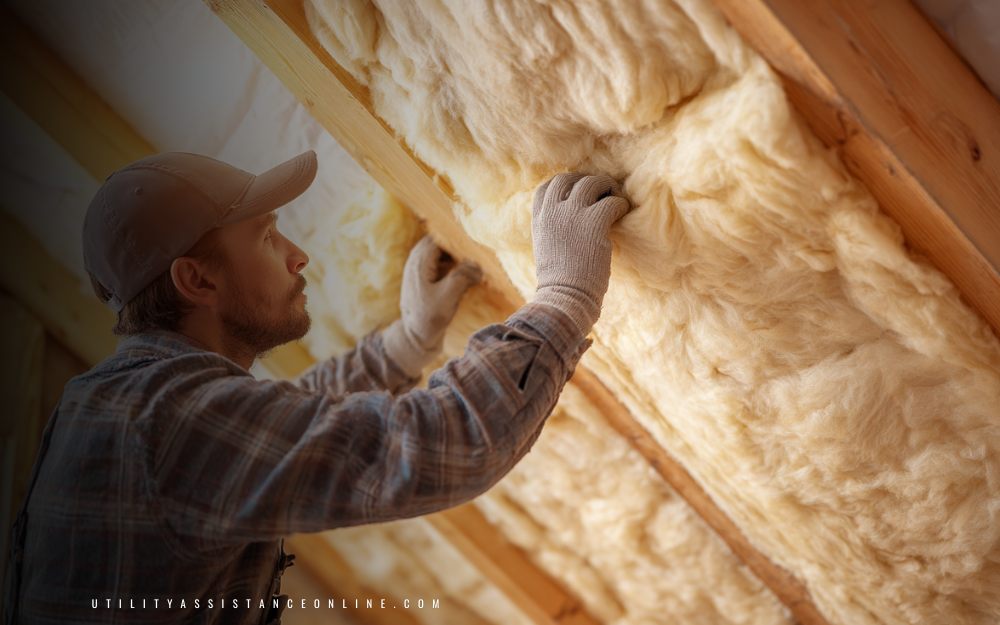
One of the most effective ways to improve temperature control in an older home is by properly insulating it. Insulation creates a barrier between the interior and exterior of the house, preventing unwanted heat transfer. This means that in the summer, cool air from your air conditioning system stays inside, while in the winter, the warmth generated by your heating system is retained.
By insulating the walls, floors, and attic of your home, you can significantly reduce energy waste and make your living spaces more comfortable year-round. Proper insulation also helps reduce noise transmission, providing a quieter, more peaceful environment inside your home. As a homeowner of an older property, prioritize the attic first, since hot air rises and that is where most homes lose the highest percentage of conditioned air.
2. Invest in energy-efficient appliances
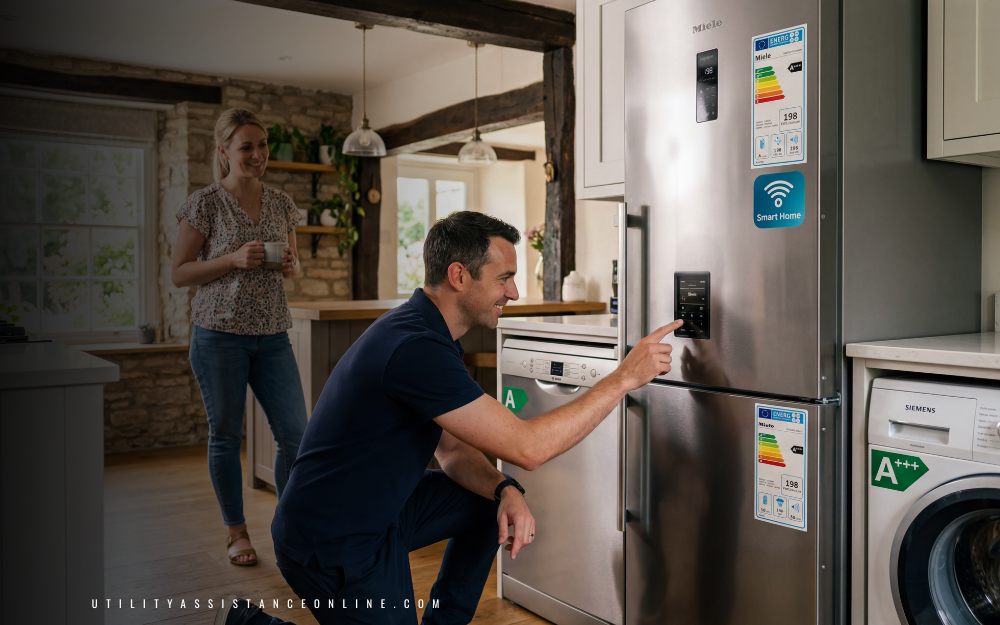
Investing in energy-efficient appliances is another crucial step toward making an old home more energy-efficient. Older appliances tend to be far less energy-efficient, consuming more electricity or gas than newer models. By upgrading to ENERGY STAR-rated appliances, you can significantly reduce your home’s energy consumption and lower your utility bills. Look for the ENERGY STAR label, which means the appliance has been tested to consume less energy without compromising performance.
For example, replacing an old refrigerator with an energy-efficient model can save you up to 15% on your refrigeration energy. Similarly, upgrading to energy-efficient washing machines, dishwashers, and HVAC systems can lead to substantial energy savings over time. As a smart homeowner, time these purchases around manufacturer rebates and federal tax credits to amplify the savings on day one.
3. Upgrade to LED lighting
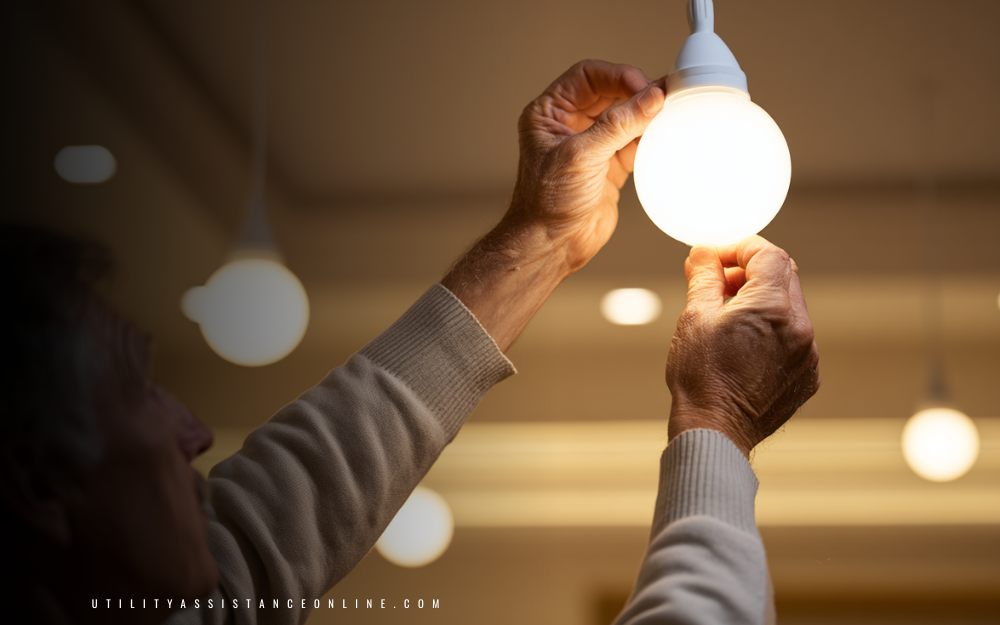
Another effective way to make an old home more energy efficient is by upgrading to LED lighting. According to the U.S. Department of Energy, residential LEDs (especially ENERGY STAR-rated products) use at least 75% less energy and last up to 25 times longer than incandescent lighting. Some ENERGY STAR-certified LEDs can use as much as 90% less energy than the bulb they replace.
Beyond efficiency, LEDs cut down on bulb replacements, saving you both time and money. They also produce far less heat, which keeps your home cooler during the summer months and reduces strain on your air conditioning system. With styles available for every fixture in an older home, including period-appropriate filament-style bulbs, upgrading to LEDs preserves character while slashing your electricity use.
According to the U.S. Department of Energy, the average American household saves about $225 in energy costs per year simply by switching to LED lighting throughout the home.
4. Seal air leaks and cracks

One key aspect of making an old home more energy efficient is addressing air leaks and cracks throughout the house. These gaps not only allow warm air to escape during the winter and hot air to enter during the summer, but they also create drafts that make your home less comfortable.
To combat this, identify and seal any air leaks and cracks in your home’s walls, windows, doors, and foundation. This can be done using weatherstripping, caulking, and expanding foam insulation. As a hands-on homeowner, this is the upgrade most likely to deliver same-day comfort improvements. Even an afternoon with a caulk gun can noticeably reduce drafts in a 100-year-old house.
5. Use natural lighting whenever possible
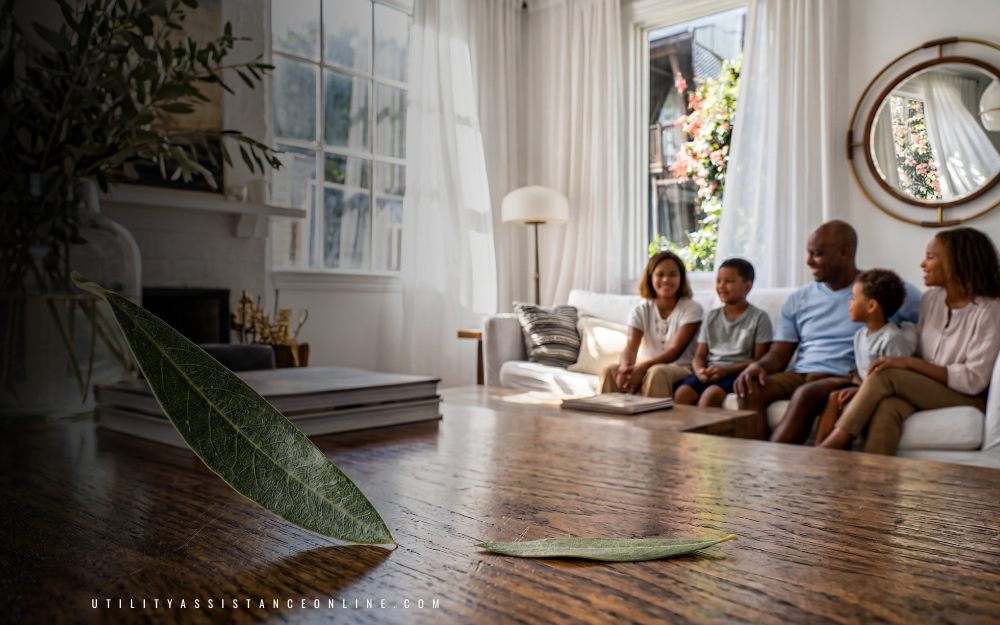
In addition to sealing air leaks and cracks, another effective way to make an old home more energy efficient is by utilizing natural lighting whenever possible. Instead of relying solely on artificial lighting, take advantage of the natural sunlight that streams through your windows. Older homes often have larger or more generous window placement than modern construction, which is a built-in efficiency asset most homeowners under-use.
Natural lighting provides a warm, inviting ambiance and reduces the need for electric lights during the day, resulting in lower energy consumption and a better HERS score. Practical ways to maximize natural lighting include keeping curtains and blinds open during daylight hours, installing skylights or sun tunnels in dark areas, painting walls and ceilings in light colors, placing mirrors strategically to bounce light deeper into the home, pruning trees and shrubs blocking key windows, and choosing sheer curtains over heavy drapes in spaces where you want full daylight access.
Author’s Pro TipSequence your upgrades for maximum payback. Start with sealing and insulation, then upgrade your appliances, then handle lighting. Doing it in this order means your new HVAC system or refrigerator will be working in an envelope that is already efficient, so the appliance is correctly sized for the home you actually have, not the leaky one you used to have. Sequencing the wrong way often means oversizing equipment and losing 10% to 20% of your potential savings.
— Editorial Team, UtilityAssistanceOnline
Ready to Lower Your Old Home’s Bills for Good?
Income-qualified homeowners can get many of these upgrades done for free through state weatherization programs. See if you qualify in under two minutes.
Comparing the 5 Upgrades to Make Your Old Home Energy Efficient
Frequently Asked Questions: How to Make Your Old Home Energy Efficient
What is the single most cost-effective way to make an old home energy efficient?
Air sealing and weatherstripping is consistently the highest dollar-per-effort upgrade for older homes. A weekend’s worth of caulk, foam, and door sweeps typically costs under $100 and can cut 10% to 15% off your heating and cooling bill year over year. Insulation is a close second but usually requires a larger upfront investment.
Can I make a historic home energy efficient without losing its character?
Yes. The key is choosing methods compatible with the historic structure. Insulate walls from the inside instead of altering the exterior, use storm windows rather than replacing original windows where possible, and select period-appropriate LED bulbs for vintage fixtures. Many states offer historic-property weatherization specialists who understand these constraints.
How much can I really save by making my old home energy efficient?
A typical older home that completes all five upgrades described above sees annual energy bill reductions of 25% to 40%. The exact figure depends on your climate zone, home size, and how leaky the home was at baseline. Homes built before 1980 usually see the biggest improvements because their starting envelope is the most inefficient.
Are there free programs that help me make my old home energy efficient?
Yes. The federal Weatherization Assistance Program (WAP), administered by state energy offices and local Community Action Agencies, provides free weatherization upgrades to income-qualified homeowners and renters. Eligible upgrades commonly include insulation, air sealing, and HVAC tune-ups. Many states also offer utility-funded rebate programs for ENERGY STAR appliances.
Should I do an energy audit before I start any upgrades?
Almost always yes. A professional energy audit costs $200 to $600 in most markets and uses a blower door test plus thermal imaging to pinpoint exactly where your old home is losing energy. Skipping the audit is the most common mistake homeowners make. It often leads to spending money on the wrong upgrade first.
Do federal tax credits cover old home energy upgrades?
Yes. The federal Energy Efficient Home Improvement Tax Credit covers up to 30% of qualifying costs, including insulation, air sealing, exterior doors, ENERGY STAR windows, and high-efficiency HVAC equipment. There are annual caps on the credit, so phasing your upgrades across two tax years can sometimes maximize benefit.
Make Your Old Home Energy Efficient on Any Budget
- Free weatherization for income-qualified homeowners
- Federal Energy Efficient Home Improvement Tax Credit
- Utility rebates for ENERGY STAR appliances
- Free 2-minute eligibility check