The Pros and Cons of Wind Energy: An Insightful Guide
Why Wind Energy Is a Hot Topic
Wind energy is having a moment. As the world looks for ways to move beyond fossil fuels, wind power is stepping up as a key player in the shift to clean, renewable energy. Those massive turbines you see dotting landscapes and coastlines? They’re not just symbols of green progress—they’re engines of real change.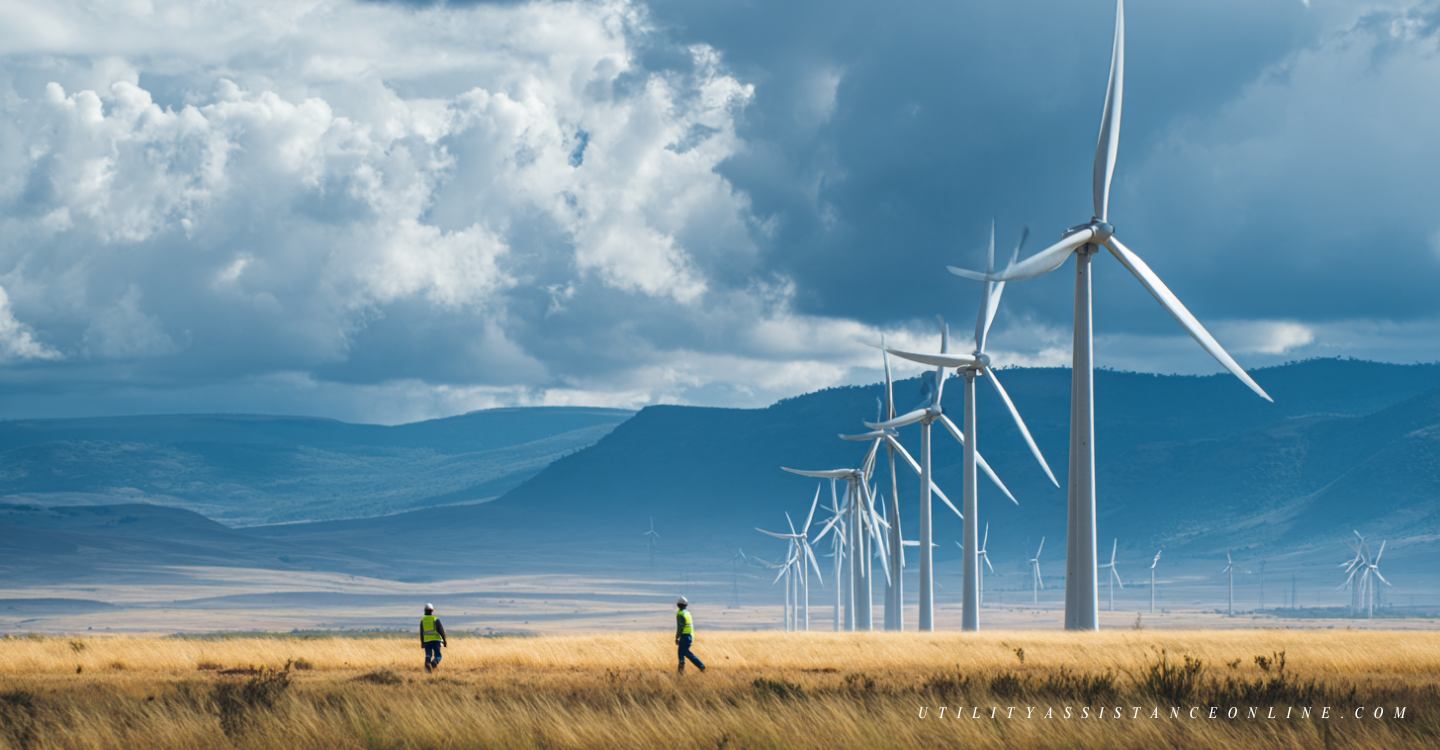
But here’s the truth: like any energy source, wind comes with its own set of trade-offs.
This guide breaks down the pros and cons of wind energy, helping you understand both the promise and the practical realities of this renewable powerhouse.
Main Pros of Wind Energy
Wind energy has some clear strengths—both for the planet and for our pockets. Let’s look at the biggest wind power advantages and why they matter.
1. Clean, Low-Carbon Electricity
Wind turbines generate power without burning anything. That means no carbon emissions, no smog, no air pollution. It’s one of the cleanest energy sources we have, making it a powerful tool in the fight against climate change. According to the U.S. Department of Energy, wind helps slash greenhouse gases and reduce our reliance on fossil fuels.
2. Renewable and Inexhaustible
The wind will never run out. It’s powered by natural forces—the sun heating the Earth, the planet spinning—and it’ll keep blowing no matter how much we use. Unlike coal or oil, wind doesn’t get “used up.” That makes it a long-term, sustainable solution. Constellation Energy highlights this as a major plus for future energy planning.
3. Falling Costs, Low Upkeep
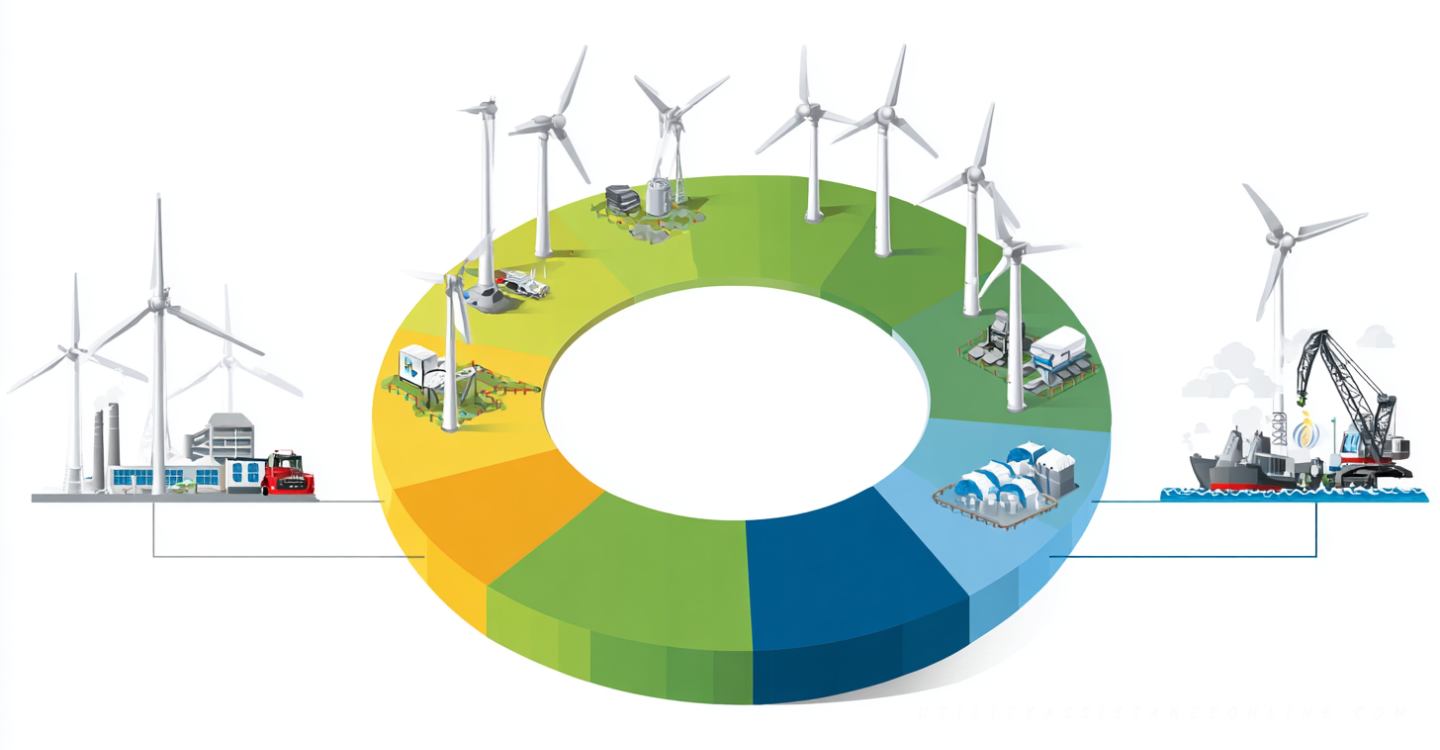
Here’s the financial upside: once a wind farm is built, the wind itself is free. And maintaining turbines is generally affordable. Thanks to better tech and bigger turbines, wind is now one of the cheapest forms of new electricity in many regions. That’s a win for both consumers and utilities.
4. Jobs and Local Income
Wind energy isn’t just clean—it’s also a job creator. From building turbines to maintaining them, the U.S. wind industry supports more than 120,000 jobs. It also generates tax revenue and lease payments in rural areas, giving farmers and landowners a steady income stream without disrupting their daily operations. (Energy.gov)
5. Dual Land Use
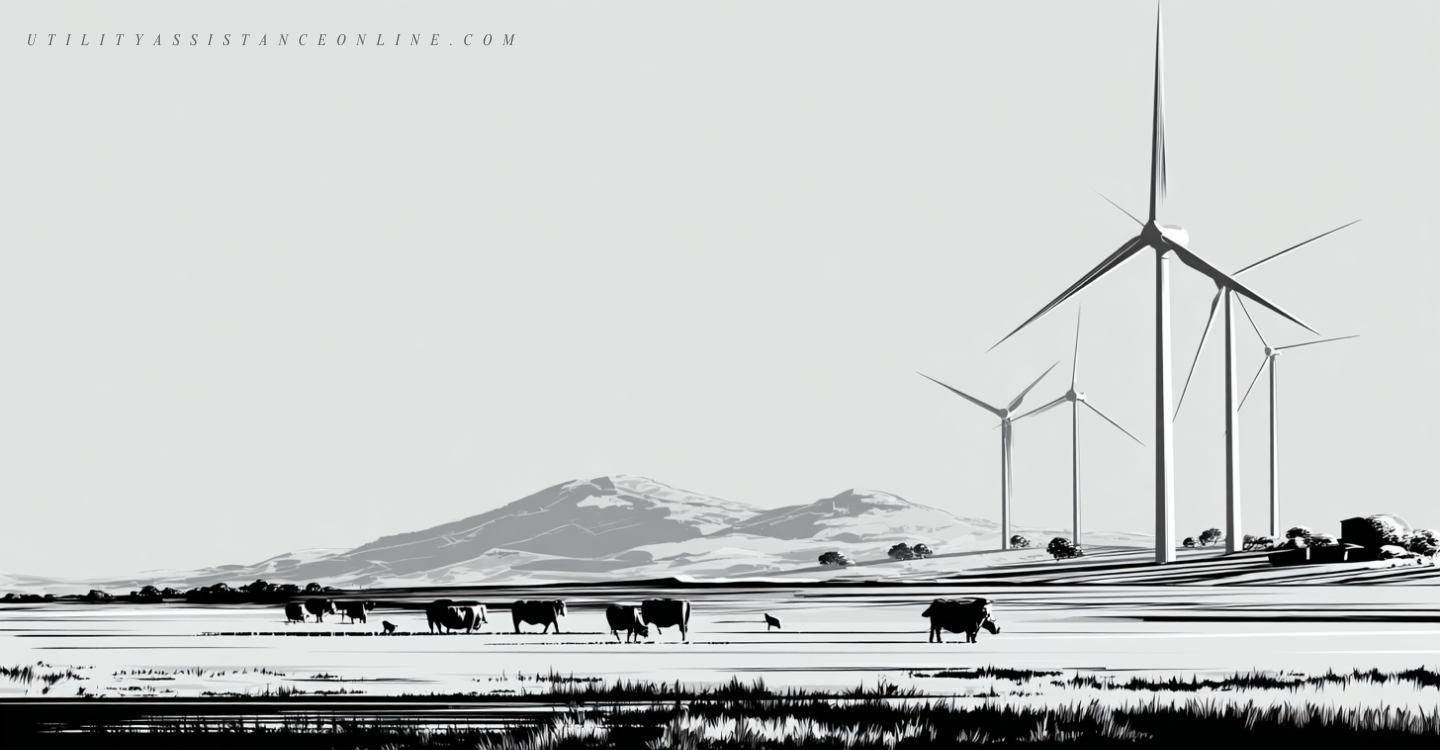
Wind turbines don’t hog land. They can stand tall over farms or grazing pastures, letting the land continue its usual purpose. That means wind energy can scale without major land use battles—a major perk in agricultural areas. For example, in discussions about Texas energy security, it’s noted that wind farms coexist with other land uses.
6. Energy Security and Price Stability
Wind is homegrown. Using it means countries can reduce reliance on imported fuels and avoid price spikes tied to global events. Since there’s no fuel cost, wind energy provides predictable prices—something every homeowner and business can appreciate.
Main Cons of Wind Energy
Now for the other side of the coin. Wind energy comes with some challenges—some technical, some environmental, and some practical.
1. It’s Not Always There
Wind is naturally inconsistent. Some days it’s strong, others it’s barely a breeze. This variability means wind can’t always meet demand unless it’s paired with storage systems or backup power sources. It also adds complexity to managing the power grid. Integration issues are mentioned in articles about how energy bills are impacted by renewable energy options.
2. Remote Locations, High Costs
Some of the best wind spots are far from the cities that need power. That means building long transmission lines—expensive, time-consuming, and sometimes controversial. Urban and suburban areas may not have enough wind, and offshore wind, while promising, brings its own cost and permitting hurdles. An article on how a city’s energy mix, including wind power explains location matters. Finding Utility Assistance Programs in San-Diego,CA
3. Aesthetic and Noise Concerns
Not everyone loves the look of turbines. They can change the feel of natural or scenic areas. Some people also report noise issues, both mechanical and from the blades cutting through the air. While siting can help, public opposition based on visual or acoustic impacts remains a barrier.
4. Wildlife Impacts
Birds and bats can be harmed by turbine blades, especially if the turbines are placed in migration corridors. Ecosystems can be disrupted, though smart siting and ongoing monitoring help reduce the risks. Constellation discusses this environmental trade-off.
5. Upfront Investment
Starting a wind project isn’t cheap. From building the turbines to connecting them to the grid, the capital costs are high. That can make financing tricky without government support or long-term energy contracts.
6. Recycling Challenges
While most turbine components are recyclable, the blades—often made of fiberglass—are not. Many end up in landfills. Research is underway to develop better recycling methods or reusable blade designs, but it remains an issue for the industry. The U.S. Energy Information Administration explains the soundscape of wind energy’s environmental context.
Quick Summary Table
| Pros of Wind Energy | Cons of Wind Energy |
|---|---|
| Clean, zero-emission electricity | Intermittent, weather-dependent output |
| Renewable and inexhaustible | Remote locations require transmission upgrades |
| Low operating costs | Visual and noise concerns |
| Creates jobs and rural income | Risks to wildlife |
| Efficient land use | High upfront costs |
| Energy security and price stability | Blade recycling remains a challenge |
FAQs About Wind Energy
What is wind energy?
Wind energy converts the motion of the wind into electricity using turbines. It’s clean, renewable, and doesn’t produce emissions while operating.
How reliable is wind energy?
It depends on the grid. On its own, wind can be inconsistent. But when paired with storage and smart grid tech, it becomes a more dependable power source.
Is wind energy better than solar?
It’s not about “better”—it’s about balance. Wind often generates power at night or in winter, while solar shines during the day. Together, they’re a strong team.
Do wind turbines kill birds?
Yes, but the impact is often overstated. More birds die from buildings, vehicles, and pollution. Still, thoughtful siting is key to minimizing harm.
Can wind power a home or business?
Absolutely. Some people install small turbines on-site, while others buy wind power from their utility. The best option depends on your location and budget.
Conclusion: Weighing the Pros and Cons of Wind Energy
Wind energy isn’t perfect—but it’s powerful. It offers a clean, cost-effective path to a sustainable energy future. As we build smarter grids and innovate in recycling, siting, and storage, wind will likely play an even bigger role in powering our lives.
It’s not the whole solution—but it’s a big part of it.
Next Steps
If wind energy has piqued your interest, here’s how to take action:
Start by exploring your local utility’s green energy options. Support clean energy policies where you live. And stay curious—because the energy choices we make today shape the world we’ll live in tomorrow.