Wind energy provides clean, renewable electricity with low operating costs and long-term sustainability benefits. However, it also faces challenges like inconsistent wind speeds, high upfront costs, wildlife impacts, and transmission infrastructure needs. Understanding the pros and cons of wind energy helps homeowners, businesses, and policymakers make smarter energy decisions.
Explore Wind Energy Resources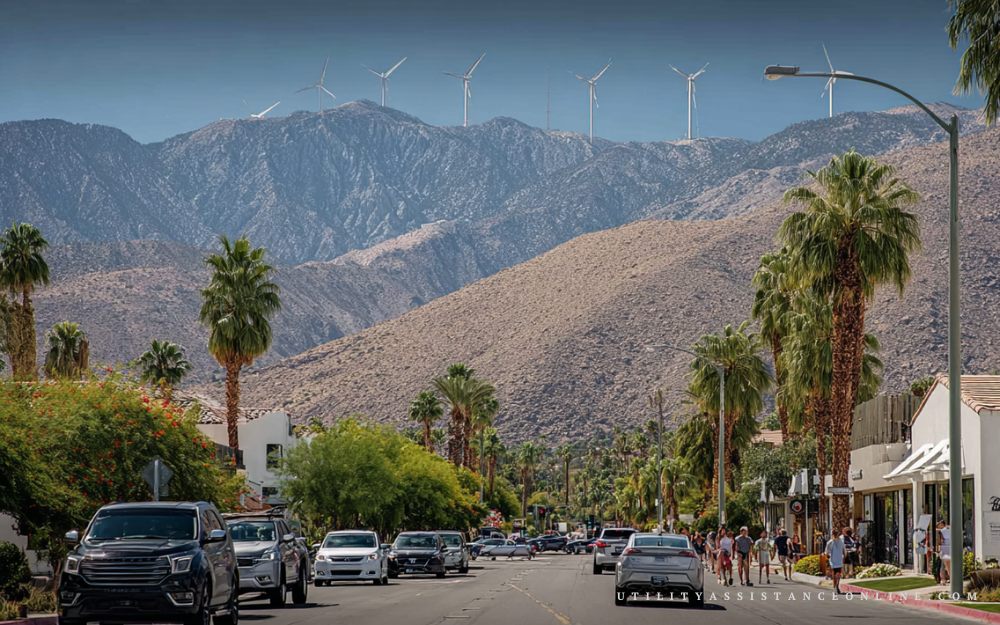
Why Wind Energy Is a Hot Topic
Wind energy has become one of the fastest-growing renewable energy sources in the world. Governments, utility companies, and homeowners are increasingly investing in wind power as concerns about climate change, rising fuel costs, and energy independence continue to grow.
Those towering wind turbines seen across plains, coastlines, and offshore waters are more than just symbols of sustainability. They produce real electricity that powers homes, businesses, schools, and entire communities.
Still, wind power is not without challenges. While the environmental benefits are significant, issues like intermittency, infrastructure costs, and environmental trade-offs remain important parts of the conversation.
This guide explores the biggest advantages and disadvantages of wind energy so you can better understand how it fits into the future of energy production.
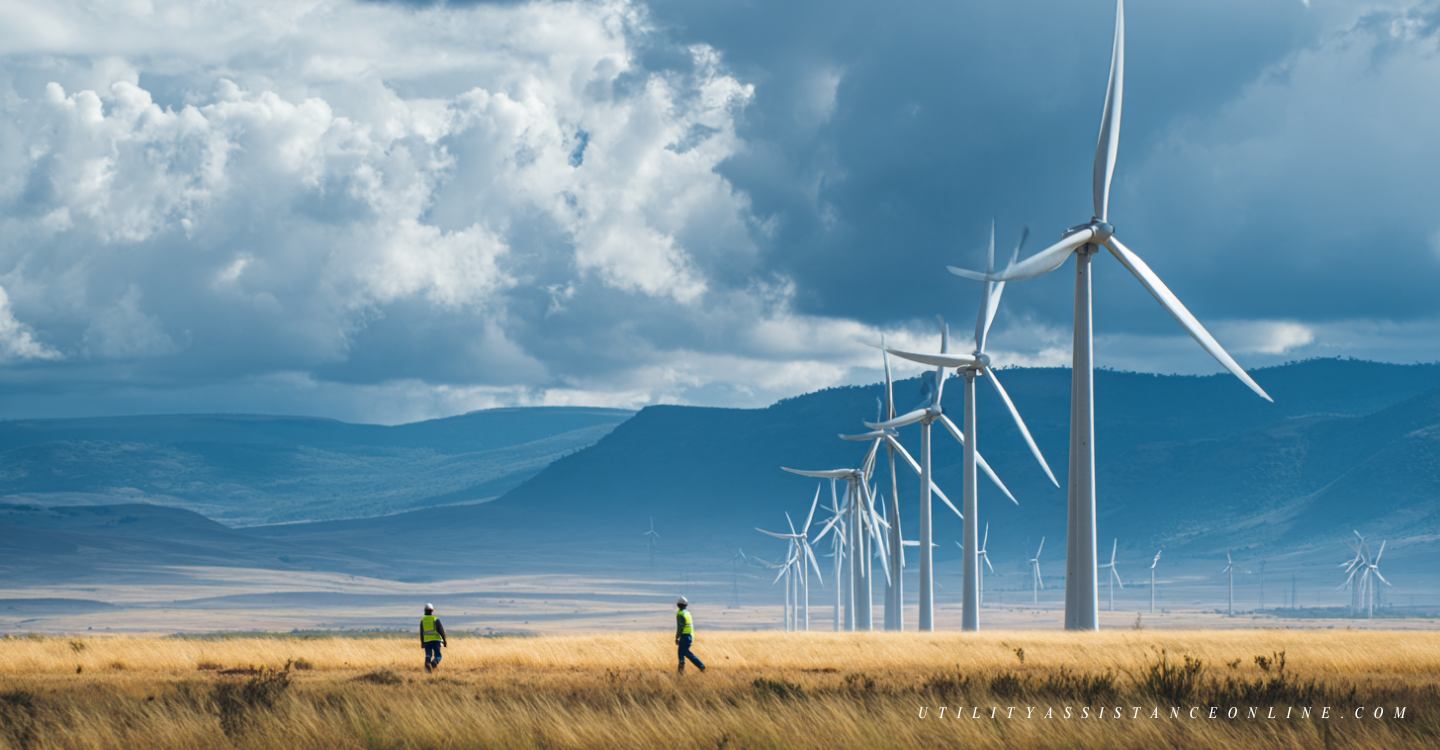
Main Pros of Wind Energy
Wind energy delivers several important environmental and economic benefits. As technology improves and costs continue falling, wind power is becoming more attractive for utilities and consumers alike.
1. Clean Electricity
Wind turbines generate electricity without burning fossil fuels. That means lower greenhouse gas emissions, cleaner air, and reduced smog pollution.
2. Renewable Resource
Wind is naturally replenished and will not run out. Unlike coal, oil, or natural gas, wind energy can continue indefinitely.
3. Lower Operating Costs
After construction, wind farms have relatively low maintenance and fuel costs because the energy source itself is free.
4. Job Creation
The wind industry supports manufacturing, construction, maintenance, engineering, and transportation jobs throughout the energy sector.
5. Dual Land Use
Wind turbines can coexist with farming and grazing operations, allowing agricultural land to remain productive.
6. Energy Security
Using domestic wind resources reduces reliance on imported fuels and helps stabilize long-term electricity prices.
Ready to Learn More About Renewable Energy?
Explore clean energy programs, utility assistance opportunities, and energy-saving resources available in your area.
Explore Energy ResourcesMain Cons of Wind Energy
Despite its benefits, wind energy also faces limitations that affect reliability, costs, and environmental planning.
1. Intermittent Energy Output
Wind speeds change throughout the day and across seasons, making energy production less predictable without battery storage.
2. Transmission Costs
Many ideal wind locations are remote and require expensive transmission infrastructure to deliver electricity to cities.
3. Visual and Noise Concerns
Some communities oppose wind turbines because of their appearance, flashing lights, or operational sound.
4. Wildlife Risks
Improperly located turbines can affect birds and bats, especially along migration corridors.
5. High Upfront Investment
Building wind farms requires substantial capital for turbines, foundations, transmission systems, and permitting.
6. Blade Recycling Challenges
While most turbine materials are recyclable, many blades remain difficult to process and often end up in landfills.

Frequently Analyzed Topics
What is wind energy?
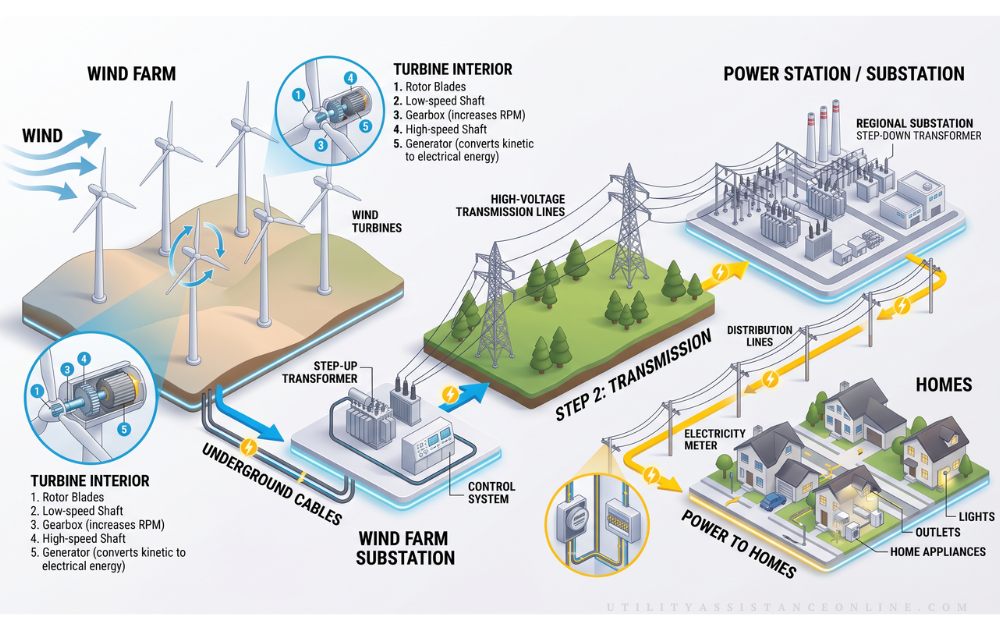
Wind energy converts the movement of air into electricity using turbines. The spinning blades drive generators that create electrical power without direct emissions during operation.
How reliable is wind energy?
Wind energy reliability depends on weather conditions and grid integration. Modern battery storage systems and diversified energy grids improve consistency and reduce intermittency concerns.
Is wind energy better than solar power?
Wind and solar complement each other well. Wind often generates electricity at night and during winter months, while solar performs best during sunny daytime hours.
Do wind turbines harm birds?
Some birds and bats can be affected by turbine blades, but careful placement and monitoring significantly reduce risks. Researchers continue developing safer turbine technologies.
Can homes use wind energy directly?
Yes. Some homeowners install small wind turbines, while others purchase renewable electricity through utility green energy programs or community energy initiatives.
Take the Next Step Toward Cleaner Energy
- Learn about renewable energy programs in your area
- Explore utility green energy plans
- Stay informed about energy-saving opportunities
- Support smarter clean energy policies
The decisions made today about renewable energy will shape future electricity costs, environmental quality, and long-term energy security.
Learn More About Clean EnergySource file reference: :contentReference[oaicite:0]{index=0}