We have a curated list of the most noteworthy news from all across the globe. With any subscription plan, you get access to exclusive articles that let you stay ahead of the curve.
We have a curated list of the most noteworthy news from all across the globe. With any subscription plan, you get access to exclusive articles that let you stay ahead of the curve.
We have a curated list of the most noteworthy news from all across the globe. With any subscription plan, you get access to exclusive articles that let you stay ahead of the curve.
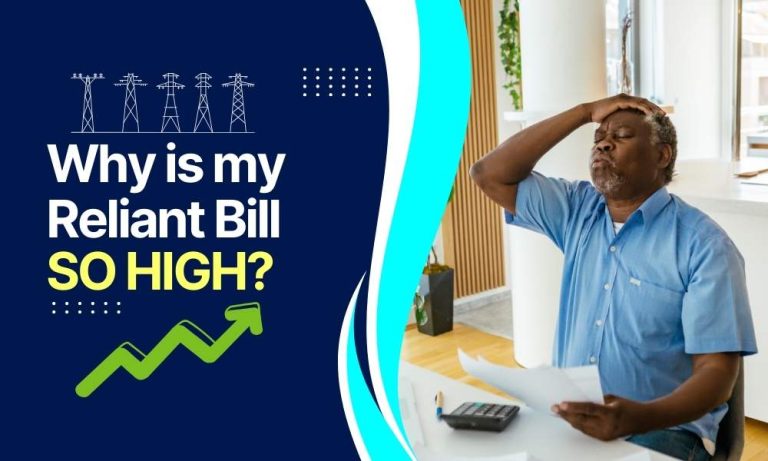
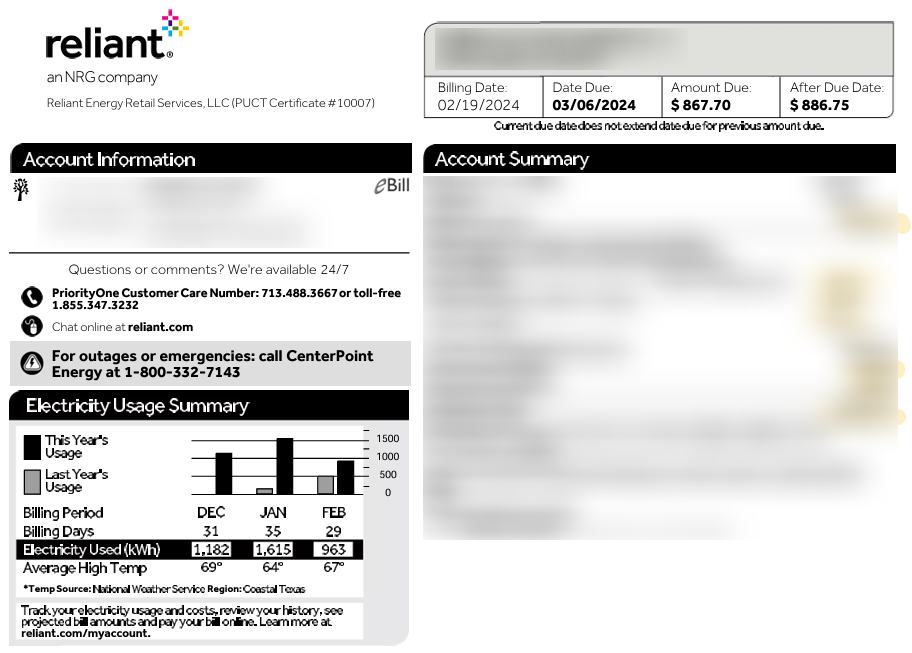
You’re not alone if you’re wondering why your electric bill is suddenly in the three-digit range. Thousands of Texans are grappling with the same concern, and understanding the reasons behind high energy bills can help you manage and potentially reduce these costs.
Extreme Weather Conditions
Extreme weather conditions, such as intense summer heat or winter cold, increase the usage of heating and cooling systems. This can cause a significant rise in electricity bills as HVAC systems work harder to maintain comfortable indoor temperatures.
Increased HVAC Usage: Heating and cooling systems consume more energy during extreme weather.
Higher Energy Demand: As temperatures soar or drop, the demand for electricity spikes, leading to higher bills.
Energy Efficiency: Understanding how weather impacts energy use can help manage costs and promote efficiency. Make your home more energy-efficient.
TDSP Charges: Transmission and Distribution Service Provider Fees
TDSP charges, controlled by the transmission and distribution service provider, can fluctuate significantly and impact your electricity bill. Electricity providers often pass these fees along to consumers.
Fluctuating Costs: TDSP charges can vary, leading to unpredictable bills.
Uncontrolled Fees: Electricity providers do not control these charges but must pass them on to consumers.
Consumer Awareness: Staying informed about TDSP charges can help you manage energy costs better.
Variable-Rate Plans
Customers on variable-rate electricity plans may experience bill increases as rates change based on market conditions. Unlike fixed-rate plans, where rates are locked in, variable rates can rise, leading to higher bills.
Rate Fluctuations: Variable-rate plans adjust based on market conditions, causing potential bill increases.
Pros and Cons: While these plans offer flexibility, they can also lead to unexpectedly high charges.
Informed Decisions: Understanding the differences between variable and fixed-rate plans helps make better budgeting choices.
Minimum Usage Requirements
Some electricity plans have minimum usage requirements. Failing to meet these can result in higher charges, so it’s essential to understand and adhere to these thresholds.
Threshold Penalties: Falling below the minimum usage can trigger additional fees.
Plan Selection: Carefully review the terms of any electricity plan for minimum usage requirements.
Cost Management: Meeting usage thresholds helps avoid extra charges and manage bills effectively.
Efficiency Tips and Assistance Programs
Managing and potentially reducing electricity bills can be achieved through energy-saving tips and assistance programs. Here are some strategies and resources:
Energy-Saving Tips: Set thermostats to “auto” and ensure homes are well-sealed to save energy.
Assistance Programs: For support, look into programs like payment extensions and the Community Assistance by Reliant Energy (CARE) program.
Optimizing Usage: Implementing these tips and utilizing assistance programs can help reduce overall energy costs.
Understanding the factors behind high energy bills and taking proactive steps can help you effectively manage and reduce your electricity costs. By staying informed about weather impacts, TDSP charges, rate plans, and usage requirements, you can better control your energy expenses and make informed decisions for a more cost-efficient future.
Unlock Savings on Your Reliant Energy Bill
Take control of your energy usage! Learn how identifying patterns can help you lower your Reliant Energy bill and make smarter energy decisions. Start saving today with these simple tips and tools!
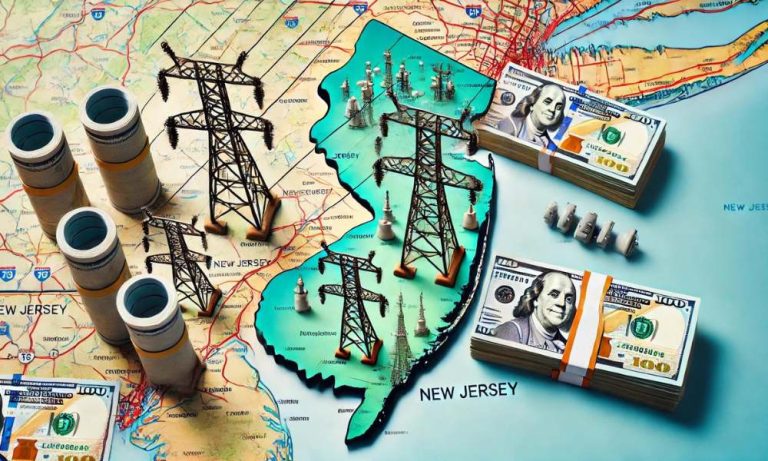
New Jersey residents have been grappling with an alarming rise in their electricity bills this summer. The average household is now looking at a staggering $782 bill for June. This eye-popping figure has left many scrambling to understand the sudden surge and how to manage the increased costs. This article delves deep into the contributing factors behind this dramatic rise and explores potential solutions to mitigate the financial burden.
Understanding the Rise in Electricity Bills
The Impact of Summer Heatwaves
The summer of 2024 has been marked by intense heatwaves that have enveloped New Jersey and much of the Eastern Seaboard. These soaring temperatures have prompted an increased reliance on air conditioning and cooling systems, significantly driving up electricity consumption. The prolonged usage of such systems is a primary factor behind the unusually high electricity bills.
Increased Energy Rates
One of the most significant triggers for the surge in electricity bills is the New Jersey Clean Energy Program adjustments in energy rates. Alongside the increased consumption, there have been adjustments in the rates charged by utility companies. These rate increases, primarily driven by various economic and political factors, have contributed to residents’ higher bills.
Unforeseen Supply Chain Issues
Global supply chain issues have disrupted the availability of essential components used in power generation. These shortages have caused a spike in operational costs for energy providers, which has been passed down to consumers. The pandemic’s impact on manufacturing and logistics continues reverberating through various industries, including the energy sector.
How to Manage and Reduce Your Electricity Bill
Energy-Efficient Appliances
Adopting energy-efficient appliances is a great way to reduce electricity consumption. Appliances with the Energy Star label are designed to consume less electricity, which can result in lower utility bills. Consider upgrading to such appliances to not only save money but also contribute to environmental conservation.
Optimize Air Conditioning Usage
Air conditioning is a major energy guzzler. To optimize its usage, ensure your home is well-insulated to retain cool air for longer. Additionally, investing in a programmable thermostat can help regulate your home’s temperature efficiently, reducing unnecessary consumption when you’re not at home.
Solar Power Considerations
Installing solar panels can be an effective long-term strategy to reduce dependency on traditional energy sources. While the initial investment may be substantial, the savings in electricity costs over the years can be significant. New Jersey offers various incentives for homeowners interested in solar energy, making it a more viable option.
Government and Utility Company Initiatives
Relief Programs
In response to the rising energy costs, some utility companies and government bodies have initiated relief programs to assist residents. For instance, PSE&G has introduced flexible payment plans and bill assistance programs. These initiatives aim to provide temporary financial relief to those struggling to keep up with the increased costs.
Energy Efficiency Rebates
Utility companies offer rebates to encourage the adoption of energy-efficient practices. Residents can receive financial incentives for upgrading their insulation, installing energy-efficient windows, or investing in smart thermostats. These rebates can significantly offset the upfront costs of making energy-saving home improvements.
Public Awareness Campaigns
Government agencies and utility companies are ramping up efforts to educate the public about energy conservation. Workshops, webinars, and online resources are available to help residents understand the best practices for energy efficiency. By raising awareness, these campaigns aim to empower consumers with the knowledge needed to reduce their electricity consumption and bills.
Future Outlook
Rising electricity bills in New Jersey cause concern but also catalyze change. As residents adapt to the new economic landscape, they will likely adopt more energy-efficient practices and technologies. Moreover, ongoing governmental and corporate initiatives should provide much-needed support to mitigate household financial strain.
While the summer of 2024 might be challenging for NJ residents, it also presents an opportunity to rethink energy usage and consumption patterns. Through immediate practical steps and long-term investments, consumers can look forward to more manageable electricity bills in the future.
Conclusion
The jaw-dropping $782 electricity bills experienced by many in New Jersey this summer result from a perfect storm of increased consumption, rising energy rates, and supply chain disruptions. Residents can proactively manage their future utility costs by understanding these factors and exploring energy-efficient alternatives.
Additionally, leveraging available relief programs and educational resources can provide immediate and lasting relief, ensuring a more sustainable and financially stable future.
Understanding New Jersey’s Energy Bill Surge
Rising energy bills? Discover the key factors driving New Jersey’s $782 energy surge and explore solutions to cut costs. Learn how NJ Clean Energy programs can help you take control of your energy expenses.
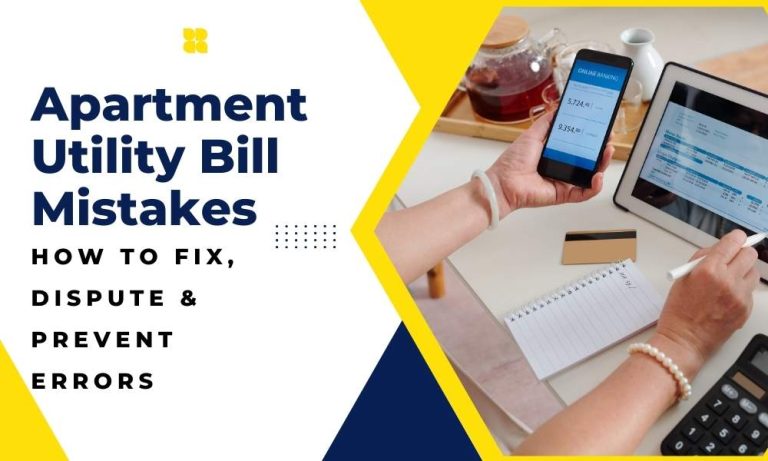
Paying utility bills for an apartment is a routine task, but errors can occur—whether it’s overpaying, missing a payment, or accidentally paying someone else’s bill. These mistakes can lead to service disruptions, late fees, and even disputes with utility companies or landlords.
Utility bill errors can be frustrating, but the good news is that most issues can be resolved if handled promptly. This article will cover common mistakes, steps to fix them, and proactive measures to prevent future errors.
Common Apartment Utility Bill Payment Mistakes
Even the most organized renters can make payment errors. Here are some of the most frequent mistakes and how they happen:
1. Paying the Wrong Amount
Utility bills can fluctuate due to seasonal changes, rate adjustments, or estimated meter readings, making it easy to pay the incorrect amount.
Overpaying: If you accidentally pay more than your due balance, you may be eligible for a refund or a credit toward future bills. However, some providers apply the credit automatically rather than issuing refunds.
Underpaying: Misreading the bill or overlooking fees can result in underpayment, which might lead to late fees, interest charges, or service disruptions.
2. Paying the Wrong Account
Errors in payment details can result in money being sent to the wrong place.
Entering incorrect account details: A simple typo in an online banking portal or payment app could mean your payment goes to another customer’s account.
Paying a previous tenant’s bill: If utility accounts are not properly transferred after moving in, you may accidentally pay for someone else’s service.
3. Missing a Payment
Forgetting a utility bill payment is more common than you think, especially if you rely on manual payments.
Autopay issues: If an automatic payment method expires (e.g., an old credit card) or fails due to insufficient funds, you might miss a payment.
Missed deadlines: Overlooked due dates can lead to late fees, temporary service suspension, or even a negative mark on your credit report if the account is sent to collections.
4. Double Payments
It’s possible to pay the same bill twice, which can cause temporary financial strain.
Duplicate payments: This can happen when you submit a manual payment while an automatic payment is processing.
Not all mistakes come from renters—utility companies can also make billing errors.
Incorrect meter readings: Mistakes in recording usage can result in overcharges or undercharges.
Being billed for services not received: Some renters have been mistakenly charged for a neighbor’s unit or for services they never signed up for.
How to Fix a Utility Bill Payment Mistake
If you catch a billing error, act quickly to correct it. Here’s how:
1. Contact the Utility Provider Immediately
Reach out via customer service hotlines, online chat, or email. Many utility providers also have online dispute forms for billing errors.
Provide documentation. Keep copies of receipts, billing statements, and bank transaction records as proof of payment.
2. Work With Your Bank or Payment Provider
Dispute an incorrect transaction. If money was sent to the wrong account, banks or payment platforms may reverse the charge through their dispute process.
Refund timelines vary. Depending on the provider, refunds for overpayments can take anywhere from a few days to one billing cycle.
3. Notify Your Landlord or Property Manager
Lease agreements sometimes include utility clauses. If you pay utilities through your landlord, they may need to contact the provider on your behalf.
Landlords can correct errors in bulk billing systems. If you’re in an apartment complex where utilities are divided among tenants, the property manager may need to verify meter readings.
4. File a Formal Dispute (If Needed)
When to escalate: If the utility company refuses to correct the issue, you can file a dispute with a state utility commission or regulatory agency.
Document your case: Provide a written complaint along with evidence such as photos of meter readings, past bills, and correspondence with the utility provider.
How to Prevent Future Utility Bill Mistakes
Taking a few proactive steps can help you avoid payment errors and billing disputes.
1. Set Up Automatic Payments with Alerts
Enable notifications. Many banks and utility providers offer alerts for due dates and successful payments.
Choose the right autopay option. Some services let you pay the full balance automatically, while others allow you to set a fixed amount.
2. Double-Check Billing Details Before Paying
Verify account numbers and due dates. Ensuring accuracy before submitting a payment can prevent errors.
Review your charges. Look out for unexpected fees, incorrect meter readings, or unexplained increases in your bill.
3. Keep Records of Payments
Save confirmation emails and payment receipts. If a dispute arises, having records will make resolution easier.
Use budgeting apps. Apps like Mint, YNAB, or Splitwise can help track monthly expenses and detect unusual charges.
4. Communicate with Roommates (If Applicable)
Establish a clear payment system. If utilities are shared, decide who will be responsible for making payments.
Use bill-splitting apps. Apps like Venmo or Splitwise can automate cost-sharing and prevent misunderstandings.
FAQs About Apartment Utility Bill Mistakes
1. What happens if I accidentally pay the wrong utility company?
You should contact the company immediately to request a refund. Additionally, double-check future payments to ensure they go to the correct account.
2. Will a missed utility payment hurt my credit score?
Not all late payments impact your credit score. However, if the bill is sent to collections, it could negatively affect your credit report.
3. How long does it take to get a refund for an overpaid bill?
Most refunds are processed within one billing cycle, but the timeline depends on the utility provider’s policy.
4. Can I dispute a high utility bill?
Yes, if you suspect an error, request a meter check and review past usage trends. If necessary, file a formal dispute with your utility provider.
Conclusion
Utility bill mistakes are common, but knowing how to address and prevent them can save you time, money, and stress. By staying organized, verifying payment details, and keeping open communication with your provider, you can avoid unnecessary complications.
Next Steps
Double-check your latest utility bill for any discrepancies.
Set up payment alerts to avoid missing deadlines.
Keep a record of all payments for easy dispute resolution.
If you experience an issue, contact your utility provider immediately.
? Have you ever faced a utility bill payment mistake? Share your experience in the comments or check out our guide on managing household expenses efficiently!
Tired of Overpaying on Your Utility Bills?
Utility bill errors can cost you hundreds every year! Learn how to fix mistakes, dispute unfair charges, and prevent future billing issues with our expert guide.
Residents of Hawaii have recently witnessed a transformative shift in their monthly electric bills. Thanks to the innovative upgrades undertaken by Hawaiian Electric, the cost of electricity is now more manageable, offering both financial relief and contributing to the sustainable future of the islands.
The Motivation Behind the Upgrades
Hawaiian Electric has long been at the forefront of promoting sustainable and cost-effective energy solutions. Increasing dependence on fossil fuels and rising energy demands necessitated an overhaul of the outdated energy model.
By embracing newer technologies and investing in infrastructure enhancement, Hawaiian Electric is keen on providing eco-friendly solutions that curtail residents’ overall expenses.
Technological Improvements and Innovations
Smart Grids
One of the most notable innovations introduced by Hawaiian Electric is the implementation of smart grid technology. These grids are designed to provide real-time monitoring of energy consumption, thus optimizing the distribution of electricity and reducing wastage.
Solar and Renewable Energy
Another significant upgrade involves the large-scale integration of solar and other renewable energy sources. With abundant sunshine throughout the year, Hawaii stands to benefit immensely from solar power. The latest investments in solar farms and rooftop solar solutions have enabled sustainable energy production at a lower cost.
Energy Storage Solutions
Incorporating advanced energy storage solutions, including lithium-ion batteries and other innovative storage technologies, balances energy supply and demand. These systems ensure a steady energy supply even during peak usage, stabilizing costs.
Impact on Monthly Electric Bills
The introduction of these technologies has had a profound impact on the monthly electric bills of Hawaii residents. Key benefits include:
Reduced Energy Costs: Adopting cost-effective, renewable energy sources has lowered overall energy costs.
Lower Utility Bills: Enhanced efficiency in energy distribution and consumption monitoring has resulted in lower utility bills.
Financial Incentives: Various financial incentives and rebates make renewable energy solutions more affordable for households.
Case Studies: Real-Life Testimonials
Several residents have expressed profound gratitude for the reduced electric bills. Here are some real-life testimonials:
“Our monthly electric bill has significantly decreased ever since Hawaiian Electric introduced their new solar program. It’s been a game-changer for our family.”
– Maria L., Honolulu
“The smart grid technology has allowed us to monitor our energy use better, and we’ve seen at least a 20% drop in our monthly bills.”
– John H., Kona
The Road Ahead: Future Prospects and Sustainability
Looking towards the future, Hawaiian Electric aims to continue its journey toward a fully sustainable, eco-friendly energy system. The company is focused on achieving 100% renewable energy by 2045, a goal that aligns with Hawaii’s state-wide commitment to sustainability.
Future plans include:
Expansion of Renewable Energy Projects: Increasing the scale and scope of existing renewable energy projects.
Innovative Storage Solutions: Continued investment in cutting-edge energy storage technology.
Community Involvement: Encouraging local communities to participate in and benefit from green energy initiatives.
How Residents Can Maximize These Benefits
To make the most of these upgrades, residents can take several steps:
Adopt Renewable Energy Solutions
Taking advantage of solar panel installations and other renewable solutions will help reduce dependency on traditional energy sources and cut down on costs.
Keep abreast of the latest updates and incentives Hawaiian Electric provides to benefit from new opportunities for savings.
By adopting these practices, Hawaii residents can reduce their electric bills while contributing to a greener future.
Conclusion
Hawaiian Electric’s innovative system upgrades mark a significant milestone in the journey toward sustainable and affordable energy in Hawaii. These improvements provide immediate financial benefits to residents and pave the way for a greener and more sustainable future. If residents continue to embrace and support these changes, Hawaii will undoubtedly become a model of renewable energy and environmental stewardship.
Hawaiian Electric Upgrades = Big Savings for Residents
Discover how innovative upgrades by Hawaiian Electric are helping Hawaii residents reduce energy consumption and lower their monthly bills. Start saving and make the most of these energy-efficient advancements today!
It’s always frustrating when the power goes out. Unfortunately, CenterPoint Energy usually takes the blame (as it serves approximately 7 million people in Texas, Louisiana, Mississippi, Michigan, and Ohio).
Are you prepared for a CenterPoint power outage?
To be clear, CenterPoint is not always the cause of the outages. In South Texas, storms are often the most common culprit. In some instances, it’s just a regular power cable “health assessment“.
That’s why having a plan can make all the difference when the lights go out. Understanding the causes of outages and staying prepared for them is crucial for CenterPoint Energy customers. From emergency kits to emergency power solutions, ensure you’re ready for interruption.
Power outages are common in South Texas, and being prepared can help you alleviate stress and inconvenience.
Given the vast coverage area, power outages can happen for various reasons, such as severe weather, equipment failure, or maintenance work. Understanding the frequency and causes of these outages can help you be better prepared.
Steps to Stay Prepared
1. Understand the Outage
The first step in staying prepared is understanding the outage itself. Here’s how you can do that:
Check for Announcements: Visit the CenterPoint Energy website or its social media pages for updates. These platforms often provide real-time information about outages and CenterPoint Energy updates.
Know the Cause and Duration: Understanding why the power is out and how long it is expected to last can help you plan accordingly. Is it due to a storm, or is it a scheduled maintenance? Knowing this can help reduce anxiety.
2. Prepare for the Outage
Preparation is key to handling power outages effectively. Here’s what you should do:
Create an Emergency Kit: Have a kit ready with essentials like flashlights, batteries, non-perishable food, and water. This ensures you have everything you need when the lights go out.
Charge Electronic Devices: Make sure your phones, laptops, and other electronic devices are fully charged. Having a backup power source, such as a generator or power bank, is also a good idea.
3. Safeguard Your Home
Protecting your home and appliances during an outage is crucial. Follow these power outage safety tips:
Unplug Appliances: Before the outage occurs, unplug appliances and electronics to protect them from potential power surges when the electricity returns.
Use Surge Protectors: After the power returns, use surge protectors to safeguard your devices from sudden voltage spikes.
Secure Doors and Windows: Keeping your home secure by locking doors and windows can help maintain safety, especially if the outage happens during severe weather.
4. Stay Informed During the Outage
Staying informed can help you make better decisions during an outage:
Sign Up for Alerts: Subscribe to text alerts or download the CenterPoint Energy mobile app for real-time updates.
Use a Battery-Powered Radio: Keep a battery-powered radio handy to stay updated, especially if your phone runs out of battery.
5. Utilize Alternative Sources of Power
Having alternative power sources can make a big difference during prolonged outages:
Solar-Powered Chargers: These can be used for small devices like phones and tablets, ensuring you stay connected.
Backup Power Systems: Investing in a portable generator or a more permanent backup power system can provide electricity for essential appliances during an extended outage.
Community Resources: Identify local community resources, such as charging stations, that can be used during long outages.
Additional Tips and Resources
Contact CenterPoint Energy: You can contact CenterPoint Energy’s customer service for any assistance. They can provide you with further information and support.
Entertainment Ideas: To pass the time during an outage, consider playing board games or reading books. These can be fun ways to keep everyone entertained.
Neighbourhood Emergency Plan: Work with your neighbors to create a plan. This can involve checking in on each other, sharing resources, and providing support during outages.
Conclusion
Being prepared for power outages is crucial, especially in areas serviced by CenterPoint Energy, where outages can be common. You can minimize disruption and stress
by understanding the outage, preparing an emergency kit, safeguarding your home, staying informed, and utilizing alternative power sources.
Today, implement these electricity outage tips to ensure you are ready for any power interruption.
Worried about a CenterPoint Energy Outage?
CenterPoint Energy and its predecessor companies have been in business for over 150 years.
A nested power outage is a secondary, hidden outage embedded within a larger restoration area. It occurs when an initial outage from a fallen tree or damaged line is repaired and most customers regain service, but a smaller subset of homes downstream of additional, undiscovered damage remains without power. The original outage report masks the secondary one because the utility’s outage map shows the area as restored. Understanding nested power outages is the most common reason a small group of households remain dark while neighbors across the street have their lights back on. Utilities like CenterPoint Energy resolve them by sending follow-up crews to investigate sub-area damage after the main restoration is complete.
Understanding Nested Power Outages After a Major Storm
Nested outages explain why some Houston homes stay dark even after major restoration milestones.
Few experiences are as frustrating as watching the streetlights come back on across the road while your house, and maybe a handful of others on your block, stays dark. The natural conclusion is that the utility has forgotten about you. The actual explanation is almost always different: you’re caught in a nested power outage. Understanding nested power outages is the single most useful piece of knowledge a household can have when working with a utility through a major restoration event.
Houston’s CenterPoint Energy has popularized the term during major storm responses, including the historic 2024 derecho and Hurricane Beryl events that caused widespread, multi-week outages across the Greater Houston area. As a homeowner caught in the middle of one, this guide walks through exactly what’s happening on the grid, why your situation is different from your neighbor’s, and what utilities are doing in 2026 to make nested outages rarer.
Key Concepts for Understanding Nested Power Outages
Primary Outage
The original outage caused by a transmission-line failure, fallen tree on a feeder line, or substation issue. Affects the largest customer count and is what shows up on outage maps first.
Nested (Secondary) Outage
A smaller, hidden outage embedded within the larger affected area. Caused by separate damage downstream of the primary outage that goes undetected until the primary repair is complete.
Feeder Lines
Medium-voltage distribution lines that carry power from substations to neighborhoods. A single feeder line outage can affect hundreds to thousands of customers.
Transformer Outages
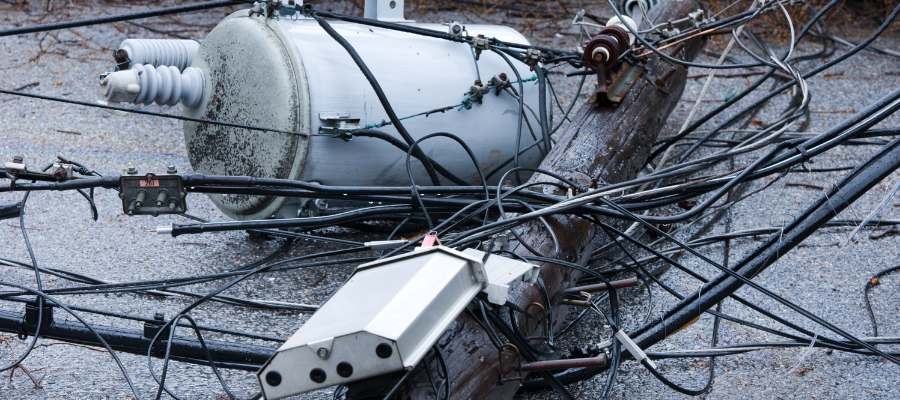
Pole-top or pad-mounted transformers serve as few as one home or as many as a dozen. Transformer-level damage is the most common cause of true single-block nested outages.
Service Drop
The line running from the pole or transformer to your individual home. Damage at this level affects only your house and is the smallest possible nested outage.
SCADA & AMI
Supervisory Control and Data Acquisition and Advanced Metering Infrastructure. These smart grid technologies help utilities identify nested outages earlier through real-time grid telemetry.
How Nested Power Outages Actually Happen: A Layered Breakdown
Severe storms cause damage at multiple levels of the grid simultaneously, creating nested outages.
The power distribution network is organized as a hierarchy, and nested outages occur because damage can happen at multiple levels of that hierarchy simultaneously. Electricity is delivered through substations, then through feeder lines, then through transformers, and finally through individual service drops to your home. When a major storm hits, all four levels often sustain damage at the same time.
Stage 1: The primary outage
A tree falls on a high-voltage transmission line or a feeder line near a substation. This single event takes out power for thousands of customers across multiple neighborhoods. The utility’s outage management system registers the event, dispatches crews, and posts an estimated restoration time on the public outage map. Crews focus on this primary repair first because it restores power to the most people.
Stage 2: Restoration with hidden damage
Once the primary feeder is repaired, power flows back through the system. The outage map updates to show the area as restored. Most homes light up. But somewhere downstream of the primary repair, a separate piece of damage exists, a fallen branch on a single block’s wires, a damaged transformer on one street corner, or a service-drop tear at one specific house. The utility’s central monitoring system doesn’t immediately see these because they were masked by the larger outage.
Stage 3: Customer reports surface the nested outages
This is when affected customers call in, report through the utility’s app, or check the outage map and see their address listed as “no outage reported” even though their lights are off. Utilities then dispatch follow-up smaller crews, often called restoration patrol or troubleshooter crews, to track down and repair each nested issue. This phase can extend the total restoration timeline for affected homes by hours to days, even when the rest of the area was restored within the original estimate.
Stage 4: Final repair and verification
For each nested outage, crews must visually inspect, isolate the damaged component, replace or repair it, and re-energize the line. Each nested case requires its own truck, its own crew, its own permit if street access is needed, and its own quality verification. This step-by-step approach is slower per customer than the primary restoration, but it’s the only way to safely identify and fix damage that the initial sweep missed.
2.8M
CenterPoint Energy Customers Across Greater Houston
CenterPoint Energy serves approximately 2.8 million electric customers across the 12-county Greater Houston area. A typical major-storm restoration touches several hundred thousand homes, and a small percentage of those become nested outages requiring follow-up patrols.
Why Houston Sees More Nested Power Outages Than Most Cities
CenterPoint’s restoration sequence prioritizes the largest customer-count outages first.
Several structural factors make the Greater Houston area more susceptible to nested outages than many other major U.S. metros. Understanding nested power outages in Houston specifically means understanding these conditions.
Dense tree canopy
Houston has one of the largest urban tree canopies in the United States. While that’s a quality-of-life win, it means every major storm produces hundreds to thousands of tree-on-line events spread across the service area. Each fallen branch is a potential nested outage waiting to be discovered.
Above-ground distribution
Like most Texas metros, Houston’s distribution network is heavily above-ground, exposing transformers, service drops, and feeder lines directly to wind, ice, and falling debris. Underground systems are more resilient to weather but vastly more expensive to install, so the legacy infrastructure dominates.
Frequent severe weather
Houston is a hurricane-belt city that also experiences regular derecho events, tropical storms, ice events, and the occasional winter freeze. The cumulative effect across years compounds. Every event leaves more weakened poles, brittle trees, and stressed equipment that becomes the seed of future nested outages.
The 2024 derecho and Hurricane Beryl context
The May 2024 derecho and July 2024 Hurricane Beryl produced some of CenterPoint’s most challenging restoration events on record, with peak outages of 2.2 million customers during Beryl. Both events generated extensive nested outage casework, prompting CenterPoint to commit to significant grid hardening investments in 2025-2026, including more underground lines, smart switches, and AI-driven outage detection.
CenterPoint Energy’s Approach to Resolving Nested Power Outages
CenterPoint Energy has invested heavily in restoration protocols specifically designed to reduce nested outage duration. Their published approach includes regular updates on restoration efforts and estimated timelines, areas being prioritized, and potential roadblocks. The company has also publicly committed to leveraging technology and data analytics to streamline its response, analyzing the power grid and its interconnectedness to better understand the extent of nested outages and prioritize accordingly.
The restoration sequence
CenterPoint’s standard restoration sequence prioritizes the largest customer-count outages first. That’s the right call for total social impact, but it’s also why nested outages stretch out: the same crews can’t be everywhere simultaneously, and the smallest cases necessarily wait for the largest ones to be cleared. Critical facilities like hospitals, water treatment plants, and emergency services are restored before residential nested cases.
The outage tracker
CenterPoint’s cloud-based Outage Tracker shows outage events by county, city, and zip code. As a customer, you can enroll in Power Alert Service to receive customer-specific updates via phone, text, or email. If your home is in a nested outage, the alert system pings you directly with estimated restoration times rather than relying on the broader public map.
Mutual aid crews
During major events, CenterPoint pulls in mutual aid crews from utilities across the country. During Winter Storm Enzo in January 2025, the company secured 1,200 mutual aid workers from Virginia, North Carolina, and Florida. These extra hands matter most during the long tail of nested outage cleanup after primary repairs are done.
Author’s Pro Tip
Report your specific address, not just “still no power.” When you’re caught in a nested outage, the utility’s automated systems may not flag your home individually because the original outage was closed in their system. Call CenterPoint at 800-332-7143 or report through the CenterPoint app with your specific service address and the exact symptoms (whole-house dark vs. half-house dark, lights flickering, etc.). Mention “I’m in a nested outage” by name. This often triggers a troubleshooter dispatch rather than waiting for the next system-wide patrol. Take photos of any visible damage like fallen wires or downed transformers near your property and include them with the report.
— Editorial Team, UtilityAssistanceOnline
Hit With High Bills From a Storm Recovery?
Texas CEAP, Reliant Energy payment extensions, and CenterPoint hardship programs can cover bills spiked by extreme weather events. Find your local assistance options.
Understanding Nested Power Outages in the Age of AI Grid Management
AI-driven grid monitoring is reducing nested outage detection time across the U.S. utility sector.
The path to a future with fewer nested outages runs through artificial intelligence and smart grid technology. Two utilities, in particular, have set the bar for the industry on AI-driven outage detection and prevention.
EPB Chattanooga: The smart grid pioneer
The Electric Power Board of Chattanooga, Tennessee, built the largest and fastest “Fiber to the Home” network in North America, then used that fiber to develop one of the most automated electric distribution networks in the country. EPB has deployed automated feeder switches and sensor equipment on 171 distribution circuits in the service territory, plus automation of motor-operated switches on 61 sub-transmission circuits. The result: SAIDI and SAIFI reliability metrics that have improved year over year since the smart grid rollout in 2009. Outages that would have been “nested” in a traditional network are detected at the moment of failure rather than waiting for customer calls.
PG&E: AI-driven outage prediction
Pacific Gas and Electric (PG&E) in California has built an AI-powered analytics platform that helps identify areas with a higher risk of outages before storms even arrive. According to PG&E, the company has operationalized 1,600 weather stations across its service area, 1,400 of which are equipped with AI or advanced machine learning capabilities. PG&E’s in-house meteorologists combine this technology with traditional forecasting tools to develop enhanced outage prediction models, then pre-position crews and troubleshooters in areas where they may need to respond.
What this means for Houston in 2026
CenterPoint has committed to similar AI-driven grid hardening following the 2024 derecho and Hurricane Beryl. While the company is still earlier in its smart grid build than EPB or PG&E, the trajectory is clear: more sensors, more predictive analytics, more automated switching, and ultimately fewer customer-reported nested outages. For Houston households, the practical effect will likely be measurable within the next several major storm seasons.
After Understanding Nested Power Outages, Here’s How to Recover Financially
Extended outages cause direct financial damage even beyond the inconvenience. Spoiled food, hotel stays, missed work, and shock-spike utility bills when service is restored all add up. Several resources can offset that financial hit for Houston-area households.
FEMA disaster relief
If you’ve suffered property damage during a federally declared disaster, apply for FEMA Individual Assistance as soon as possible at disasterassistance.gov or by calling 800-621-3362. FEMA grants can cover temporary housing, home repairs, and other disaster-related expenses not covered by insurance. Federal disaster declarations have followed multiple Houston-area events, including Hurricane Beryl.
Reliant Energy payment extensions
For customers of Reliant Energy struggling with electric bills after a major outage event, Reliant offers payment assistance programs including payment extensions and deferred payment plans. The same programs typically apply during high-bill summer months when air conditioning use spikes following restoration.
Frequently Asked Questions: Understanding Nested Power Outages
Why are my neighbors’ lights on but mine aren’t?
You’re likely in a nested power outage. The primary outage affecting your broader area has been restored, but separate downstream damage near your home, often at the transformer or service-drop level, is still preventing power from reaching your house specifically. Call your utility, report your specific address, and request a troubleshooter dispatch.
How long do nested power outages typically last?
Most nested outages are resolved within a few hours to a few days after the primary outage is closed. The exact timing depends on the type of damage. A simple service-drop tear may be fixed in an hour, while a damaged transformer may take a full day to replace. Major storms can extend nested outage timelines because troubleshooter crews are competing for the same resources across thousands of cases.
Should I report my nested outage even if my area shows as “restored”?
Yes, absolutely. The utility’s automated outage tracking depends on customer reports to detect nested cases that fall through the cracks. Reporting through the utility’s app, web portal, or phone line is the single fastest way to get a troubleshooter dispatched to your home. Include your specific address and any visible damage.
Can I get reimbursed for spoiled food from a nested outage?
In most Texas cases, utilities are not legally required to reimburse spoiled food from weather-related outages. However, your homeowners or renters insurance policy may cover food loss under certain conditions, typically after a deductible. Check your specific policy and document spoiled items with photos. During federally declared disasters, FEMA may also provide some related assistance.
How can I prepare for future nested outages?
Enroll in CenterPoint’s Power Alert Service for customer-specific updates, keep a backup power source for essential devices and medications, maintain a 3-day emergency kit, and document your home’s normal post-storm electrical condition (which appliances work, which don’t) before a major event so you can communicate clearly with troubleshooter crews. Tree trimming around your service drop is also one of the highest-impact preventive measures.
Are nested outages becoming less common over time?
Yes, in the long run. Smart grid investments, AI-driven outage detection, and more sensors on distribution networks are gradually reducing both the number and duration of nested outages. Utilities like EPB Chattanooga and PG&E are 5 to 10 years ahead of the curve, but CenterPoint and other major utilities are now investing heavily following the 2024 storms. Expect measurable improvements through 2026 and beyond.
Veteran Energy is an electricity company that offers competitive rates and supports veterans and active-duty military members. Kevin Barber, a U.S. military veteran and energy executive, founded Veteran Energy in 2010. The company donates a portion of its profits to veteran support organizations and partners with organizations like Paws for Heroes and Fisher House.
How is my due date determined?
Your TDU reads the meter at your address each month and sends a report to us with your usage. We generate a bill immediately after receiving your usage report. Your due date is 16 days after your bill is issued. See the next question.
Keep in mind that your due date may vary slightly from month to month. Even if your bill was due on the 15th of last month, it could be due on a different day the following month.
Can I change my bill due date?
We draft your AutoPay payment the day before and the day of your due date. We will contact you via email if there is a problem with your payment before any late fees are assessed.
People love options. Here are yours:
What are the payment options?
AutoPay: Sit back, relax, and let AutoPay draft automatically.
Mobile App: Download the Veteran Energy Mobile App. Use the same login credentials as your My Account. For Android smartphones and devices, visit the Google Play Store. For Apple smartphones and devices, visit the Apple App Store.
My Account: Log in to your account online and click Pay My Bill before your auto-pay draft date. People like this option because it allows them to make manual payments around payday. By Phone: Call us at (888) 367-7470 and follow the prompts to use our automated telephone payment system. Cash Payment: For cash payments, visit Cash Pay Locations and find a location near you.
Can you change my billing due date?
No. Your bill due date is determined by the date that your TDU reads your meter. We do not have control over when that happens.
What are my payment options?
For a detailed description of the Veteran Energy Refund Policy and Procedure, please click here. We accept MasterCard, Visa, Discover, and Amex credit or debit cards. You can pay online or with our mobile app.
How do I view my detailed bill?
After receiving an email saying your bill is ready, simply log in to your My Account online and click View My Bill. If you have the Veteran Energy Mobile App, click on the View Bill or Bill History icons.
Can I view my billing history?
Yes. Online, just log in to your My Account and then click Payments & Billing. From there, click View Billing & Payment History. In the Veteran Energy Mobile App, click on Bill History.
Can I make more than one payment a month?
Yes. You can make up to five manual payments a month by logging in to your account. If you make more than five manual payments in a single month, you will be charged up to $6.95 for each additional payment.
How long does it take for a bill payment to be processed?
If you use Auto Pay, pay online or by phone, it will be processed immediately upon receipt. Any other form of payment will result in additional processing time.
What if I forget to pay my bill?
All customers are set up on our Auto Pay automatic billing system at enrollment, so you don’t have to worry about remembering your due date.
I didn’t receive my bill. What do I do?
We do not email your actual bill to you. You’ll receive an email letting you know that your bill is ready to view online and how much is due.
I didn’t receive my bill. Can you waive the late fee?
No. You will receive an email every month stating how much is due and that your bill is ready to view online. It is your responsibility to either view the email or log in to our website to view your total amount due.
A late fee is only assessed if your card declines for any reason and we don’t receive your payment by the due date. To avoid late fees, it is your responsibility to update your payment information or make a manual payment before your bill is due.
If you insist on killing trees, we can certainly mail your bill to you. However, we may charge a one-time e-Docs Breakage Fee of up to $19.95 for not having e-Docs properly established on your account at the time of bill generation if your plan requires e-Docs. We strongly urge you to remain on e-Docs.
Why is my bill so much higher this month?
Your usage fluctuates each month, and you may not even realize that you use more power. Most high bills occur during the hot summer months or during unexpected winter freezes. It could also be a combination of things, such as running your appliances more often than usual, having company in from out of town, letting your kids control the thermostat, or leaving windows open for too long.
Fortunately, you can view your usage by month or even by week by logging into your account and then clicking View Smart Usage from the ‘Quick Pick Dashboard. You’ll notice right away if your electricity usage spikes or drops, and then you can adjust your usage going forward.
How do I lower my electric bill?
Honestly, your best bet is to stay on a term plan that offers a fixed rate.
The other obvious answer is to use less electricity. Keep your thermostat at a higher—yet comfortable—temperature during the summer, like 78 rather than 72. Your large appliances also use a lot of power, so try to start the dishwasher or dryer only when they’re full. Don’t forget to check for cracks or seals that are letting outside air in; you’ll want to patch those immediately.
You can also refer friends and receive a $50 Visa® Reward Card for each one that enrolls. Log in to get started.
If you need to pay a premium, MassHealth will tell you the amount and send you a bill every month. Premiums are based on family size, monthly income, and whether you have other health insurance. Your premium will not be more than 3% of your monthly household income.
MassHealth premiums are designed to be fair and affordable, tailored to individual circumstances. If you need to pay a premium, MassHealth will provide you with clear information on the amount due and ensure you receive a monthly bill promptly.
Premiums are calculated based on factors such as family size, monthly income, and existing health insurance coverage. Rest assured that your premium will always be capped at 3% of your monthly household income, ensuring that it remains manageable even in challenging times. Trust in MassHealth to provide transparent and reasonable premium structures that prioritize your well-being without causing financial strain.
How does MassHealth premium assistance work?
If you have MassHealth CommonHealth with a high premium, PA can reduce or eliminate the cost of your CommonHealth premium if you get private health insurance through your job or family. If you lose your MassHealth eligibility, you can keep your ESI, so you will not go without health insurance.
If you have MassHealth CommonHealth with a high premium, Premium Assistance (PA) can be a game-changer for you. It has the potential to significantly reduce or even eliminate the cost of your CommonHealth premium if you secure private health insurance through your job or family.
Moreover, in the unfortunate event that you lose your MassHealth eligibility, Premium Assistance ensures that you can retain your employer-sponsored insurance (ESI). This safety net prevents gaps in coverage so that you do not have to go without health insurance during transitions. It’s a practical and valuable solution for maintaining continuous healthcare coverage.
What is the maximum income to qualify for MassHealth?
This means that more people will now qualify for this program, as the income limit for individuals increases from $43,470 in 2023 to $72,900 in 2024, and $90,000 in 2023 to $150,000 in 2024 for a family of four.
The expansion of income limits for MassHealth eligibility signifies a significant opportunity for more individuals and families to benefit from this vital program. With the income threshold rising from $43,470 to $72,900 for individuals in 2023 and further increasing to $90,000 in 2024, the potential impact on access to healthcare is substantial. Similarly, families of four will see their income limit grow from $72,900 in 2023 to $150,000 in 2024, opening up access to crucial healthcare services.
This adjustment not only broadens the scope of assistance provided by MassHealth but also ensures that a larger segment of the population can avail themselves of essential medical care without financial constraints. The increased income thresholds represent a positive step towards enhancing healthcare inclusivity and ensuring that more individuals and families can access the support they need.
How is MassHealth premium assistance calculated?
The estimated premium assistance amount is calculated by subtracting the employer’s share of the member’s health insurance premium and the MassHealth required member contribution (the member’s MassHealth premium) from the total cost of the health insurance premium.
The calculation of MassHealth premium assistance is crucial for individuals seeking financial support with their health insurance costs. Understanding how the estimated premium assistance amount is derived can provide clarity and enable informed decision-making.
To calculate the estimated premium assistance, one must subtract the employer’s share of the member’s health insurance premium and the MassHealth required member contribution (the member’s MassHealth premium) from the total cost of the health insurance premium. This calculation method ensures that individuals receive an accurate assessment of their eligibility for financial assistance towards their health coverage.
By knowing how MassHealth premium assistance is calculated, individuals can better navigate their healthcare expenses and access the support they need. It underscores the importance of transparency and efficiency in providing financial aid to those in need.
What is the phone number for MassHealth billing?
If you have questions about medical claims billed by doctors, nurse practitioners, pharmacies, and hospitals, contact MassHealth Customer Service at (800) 841-2900, Monday through Friday from 8:00 a.m.–5:00 p.m., excluding holidays, or by email to providersupport@mahealth.net or call (800) 841-2900.
If you’ve just opened a ComEd disconnect notice—or you’re already behind on your bill—it can feel overwhelming. But you’re not alone, and there are real steps you can take right now to stop a shutoff, lower your electric bill, and get help paying what you owe.
Prevent shutoffs with legal protections and payment plans
Save money through budget billing and low-income programs
If You Received a ComEd Disconnect Notice: Do This First
First, take a breath. Illinois law gives you at least 10 days between receiving a disconnect notice and your actual shutoff date. That window matters—use it wisely.
1. Call ComEd and request a Deferred Payment Arrangement (DPA)
A Deferred Payment Arrangement (DPA) lets you split your past-due balance into monthly installments. This can immediately stop a shutoff.
RA can offer up to $1,500 in assistance. Don’t just apply online—call your county office directly. See DCEO’s guide to applying.
5. Submit a medical certificate for seriously ill household members
If someone in your home has a serious medical condition, a physician can submit a certificate to delay disconnection up to 60 days. This pause gives you time to set up a payment plan or apply for aid.
They can investigate and issue a hold if your rights weren’t honored.
Already Disconnected? Here’s What to Do
If you’ve already been shut off, here’s the good news:
Once you make the required payment or get approved aid, ComEd will typically restore service within 2 hours. Still call LIHEAP for help—they may cover your reconnection.
Make Your Bill Predictable with Budget Billing
Budget Billing smooths out your electric bill across the year. Your payment is based on your average use over the last 12 months, and it only adjusts every 6 months.
If your income is unpredictable—or your usage spikes in summer or winter—this can offer peace of mind.
The Percentage of Income Payment Plan (PIPP) sets your bill to a percentage of your income and forgives past-due balances over time—as long as you pay on time for 12 months.
LID: New Low-Income Discount launching Jan 2026
Coming soon, the Low-Income Discount (LID) will reduce bills for households earning up to 300% of the Federal Poverty Level. You’ll self-certify through ComEd’s Smart Assistance Manager and see credits within 1–2 billing cycles.
It’s a formal warning that your power will be shut off unless you take action. Illinois law requires at least 10 days’ notice before a disconnection.
How can I stop a ComEd shutoff?
By calling ComEd for a DPA, applying for LIHEAP or RA, or using winter shutoff protections. Act as soon as you get the notice.
What is a Deferred Payment Arrangement?
A DPA lets you split past-due bills into monthly payments while keeping your service connected.
What’s the difference between LIHEAP and PIPP?
LIHEAP gives bill and emergency help. PIPP offers steady, income-based bills with debt forgiveness if you pay on time for a year.
Is there a new discount for low-income households?
Yes. Starting January 1, 2026, the Low-Income Discount will lower bills for qualifying households—no paperwork beyond self-certification required.
Final Thoughts: You Still Have Time—and Options
If you’re behind on your bill or facing a shutoff, don’t panic. Illinois utility law gives you legal rights and real protections—but they only work if you take action.
Call ComEd. Apply for help. Set up a payment plan. Explore Budget Billing or PIPP. You’ve got tools, and this guide is your roadmap.
Next Steps: What to Do Right Now
Here’s your short list:
Call ComEd: 800-334-7661 to stop a shutoff with a DPA.
Call your LIHEAP office directly for emergency aid.
Apply for Budget Billing to avoid seasonal bill spikes.
Check if you qualify for PIPP or LID.
Call the ICC: 1-800-524-0795 if ComEd isn’t following shutoff rules.