Home Blog

Weatherization Assistance Programs in Anchorage AK: 2026 Guide via RurAL CAP, AHFC & the Municipality

0
 

Quick Answer

What Are the Top Weatherization Assistance Programs in Anchorage AK?

Weatherization Assistance Programs in Anchorage AK are delivered primarily by the Rural Alaska Community Action Program (RurAL CAP) at 731 East 8th Avenue, Anchorage, AK 99501, with statewide oversight from the Alaska Housing Finance Corporation (AHFC). For 2026, household income must be at or below 200% of Federal Poverty Level. The Municipality of Anchorage adds matching funds of up to $3,000 per unit for small buildings and $2,000 per unit for larger multi-family buildings. Typical Anchorage road-system weatherization projects average $10,000 in covered upgrades, including air sealing, insulation, ventilation, heating system improvements, and new smoke and carbon monoxide detectors. Homes must not have received WAP in the last 15 years.

Apply for Weatherization Assistance Programs in Anchorage AK


Why Weatherization Assistance Programs in Anchorage AK Matter in 2026
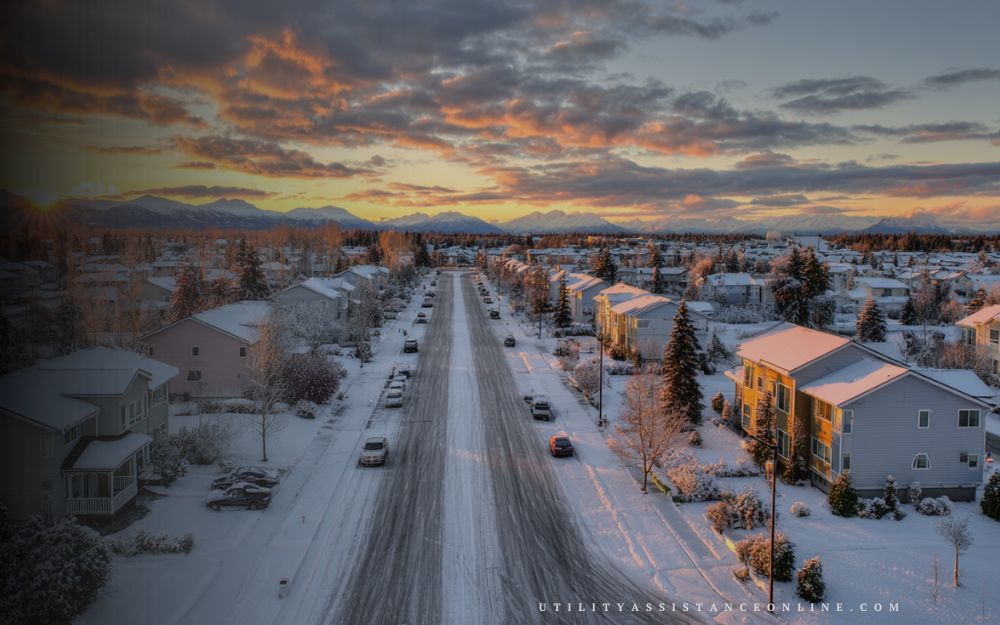
Weatherization Assistance Programs in Anchorage AK application
Anchorage’s brutal winters drive heating costs that weatherization can dramatically reduce.

If you’re a homeowner or renter in Anchorage, you already know what sub-zero winters do to your heating bill. The Municipality of Anchorage averages over 75 inches of snow per year and routinely sees December and January temperatures drop well below zero, forcing furnaces to work overtime for months at a stretch. The good news is that the federal Weatherization Assistance Program (WAP) was built precisely for climates like ours, providing free energy-efficiency upgrades to qualifying low-to-moderate-income households.

This guide walks through every active weatherization program available to Anchorage residents in 2026, who actually delivers the services, who qualifies, and exactly how to apply. The most important thing to understand up front is that the lead local provider for Anchorage is Rural Alaska Community Action Program (RurAL CAP), with statewide funding and oversight from the Alaska Housing Finance Corporation. Applications go to RurAL CAP, not to the state. As an Anchorage household, this guide will save you weeks of routing your application to the wrong agency.


Key Weatherization Assistance Programs in Anchorage AK at a Glance

RurAL CAP

Rural Alaska Community Action Program (RurAL CAP) is the designated WAP provider for Anchorage. Office: 731 East 8th Avenue, Anchorage, AK 99501.

Alaska Housing Finance Corp

Alaska Housing Finance Corporation (AHFC) oversees the statewide WAP and channels DOE and state energy funds to RurAL CAP and other regional providers.

Municipality of Anchorage

The Municipality of Anchorage contributes matching weatherization funds: up to $3,000 per unit for buildings with 4 or fewer units, $2,000 per unit for buildings with 5 or more.

Alaska LIHEAP

Alaska’s Low Income Home Energy Assistance Program Heating Assistance Program: $350 min, $6,125 max for FY 2026. Approval can fast-track WAP eligibility.

Cook Inlet Housing Authority

Cook Inlet Housing Authority (CIHA) serves Alaska Native and American Indian households in the Cook Inlet region with housing and energy services.

NeighborWorks Alaska

NeighborWorks Alaska provides housing-related support services, including homeowner counseling and rehabilitation programs that complement WAP.


What Weatherization Assistance Programs in Anchorage AK Actually Cover

The Alaska WAP delivered through RurAL CAP is designed to address the specific challenges of Northern climate construction. Every project starts with a free home energy audit using blower-door diagnostics, infrared thermal imaging, and combustion safety testing. The audit produces a work order prioritizing upgrades that save the most energy per dollar.

Covered weatherization measures

  • Air sealing: blower-door directed, targeting attic bypasses, rim joists, and exterior penetrations
  • Insulation upgrades: attic, walls, floors, crawlspaces (and “belly” insulation on mobile homes)
  • Heating system repairs or replacement: furnaces, boilers, hot water heaters when the audit identifies them as cost-effective
  • Whole-house ventilation: HRV/ERV systems to manage indoor air quality in tightly sealed Alaska homes
  • Door and window repairs or upgrades: sealing, replacement, weatherstripping
  • Moisture control: vapor barriers, exhaust fans, drainage improvements
  • Health and safety equipment: new smoke detectors, carbon monoxide detectors, fire extinguishers

Typical project values

In road-system areas like Anchorage, the average WAP project value is approximately $10,000 per home in covered upgrades. In remote villages off the road system, work values often run higher due to shipping costs for materials and crew logistics. All upgrades are provided at no cost to qualified applicants.


$12.1M
Alaska FY 2026 LIHEAP Funding

For FY 2026, Alaska received $12,158,876 in federal LIHEAP funding (including $277,127 from the Infrastructure Investment and Jobs Act). In FY 2024, Alaska served 128 weatherization households, 5,150 heating households, and 813 year-round crisis cases.


Eligibility for Weatherization Assistance Programs in Anchorage AK

Requirements for Weatherization Assistance Programs in Anchorage AK
Alaska uses 200% of the Alaska-specific Federal Poverty Level, which is higher than contiguous US figures.

Eligibility for Alaska WAP is income-based, with both homeowners and renters able to apply. Importantly, Alaska uses its own Federal Poverty Level guidelines, which are higher than those used in the contiguous 48 states, so households in Anchorage can have meaningfully higher gross incomes and still qualify.

Income thresholds

  • WAP (Weatherization): Up to 200% of the Alaska Federal Poverty Level
  • LIHEAP (Heating & Crisis): Up to 150% of the Alaska Federal Poverty Level

If you qualify for LIHEAP heating assistance, you’re typically fast-tracked for WAP. Confirm current income guidelines with RurAL CAP at the time you apply because the Alaska FPL is updated annually by the Department of Health and Human Services.

Categorical eligibility

Households receiving any of the following are typically automatically eligible:

  • SNAP (Supplemental Nutrition Assistance Program)
  • TANF (Temporary Assistance for Needy Families)
  • SSI (Supplemental Security Income)
  • Approved LIHEAP recipients

Other requirements and exclusions

  • 15-year rule: The home cannot have received WAP services from any grantee in the last 15 years
  • AHFC rebate exclusion: No household member can have received an AHFC rebate after May 1, 2008
  • Priority groups: Households with seniors (60+), children under 6, persons with disabilities, or high energy burden receive prioritization
  • Renter consent: Renters must provide written landlord consent before work can begin
  • Tribal coordination: Tribal members can stack WAP with BIA Housing Improvement Program (HIP) when work items are clearly separated on different invoices


Comparing Weatherization Assistance Programs in Anchorage AK

Program Who Qualifies 2026 Benefit
RurAL CAP WAP Up to 200% Alaska FPL ~$10,000 average road-system project
Municipality of Anchorage Anchorage residential properties $3,000/unit (4 or fewer units); $2,000/unit (5+)
Alaska LIHEAP Heating Up to 150% Alaska FPL $350 minimum, $6,125 maximum
LIHEAP Crisis LIHEAP-eligible facing shutoff or fuel-out Up to $6,125
USDA Section 504 Very-low-income rural Alaska homeowners Loans up to $40K; grants up to $10K for 62+


Author’s Pro Tip

Apply to RurAL CAP directly, not the Public Assistance Office. The most common mistake Anchorage applicants make is dropping their WAP application in the Public Assistance Office drop-box, which is configured for Heating Assistance (LIHEAP), not Weatherization. RurAL CAP runs WAP intake on its own timeline. Call RurAL CAP directly at the 731 East 8th Avenue office in Anchorage, request a WAP application packet, and submit it complete with your 12 months of utility bills. The utility history is critical because auditors use it to identify whether you have an “energy hog” appliance or a major structural leak that should be prioritized. Applying through the right door can save weeks of back-and-forth and get your audit scheduled before winter.

— Editorial Team, UtilityAssistanceOnline


Ready to Cut Your Anchorage Heating Bill This Winter?

Free WAP upgrades through RurAL CAP average $10,000 per home in covered improvements. Check your eligibility in under two minutes.

Apply for Weatherization Assistance Programs in Anchorage AK


How to Apply for Weatherization Assistance Programs in Anchorage AK

Applying for Weatherization Assistance Programs in Anchorage AK
Applications go to RurAL CAP, the designated regional provider for Anchorage.

Step 1: Contact RurAL CAP for Anchorage

RurAL CAP’s Anchorage office is at 731 East 8th Avenue, Anchorage, AK 99501. Request a Weatherization Assistance Program application packet. RurAL CAP also serves northern and western Alaska, plus Juneau, so if you have family in other regions they can apply through the same agency. If you live on a state-designated regional housing authority property, contact your housing authority directly. Tribal members can also coordinate with Cook Inlet Housing Authority for housing-specific services.

Step 2: Gather your documentation

  • Proof of income for the prior 30 days for all household members 18 and older (pay stubs, SSI/SSA benefit letters, unemployment, retirement, dividends)
  • Photo ID for the head of household
  • Proof of property ownership (deed) or current rental agreement
  • 12 months of recent utility bills (electric, gas, fuel oil, propane)
  • If categorically eligible: SNAP, TANF, SSI, or LIHEAP award letter
  • If renting: written landlord consent
  • Signatures from all household members 18 and older

Step 3: Schedule your free home energy audit

Once your application is approved, RurAL CAP schedules a certified energy auditor to visit your home. The audit includes a blower-door test for air leakage, infrared thermal imaging, combustion appliance safety testing, and a detailed inspection of insulation, ventilation, and heating systems. The audit produces a binding work order that defines which upgrades will be installed.

Step 4: Receive your free upgrades

RurAL CAP coordinates with certified contractors to install the prioritized upgrades. Anchorage road-system projects typically complete in a few days to a few weeks. After completion, the work passes a quality inspection to verify it meets DOE Standard Work Specifications and operates safely. As an Anchorage household, you receive an 18-month warranty on completed work starting the day the owner or tenant signs that the work is complete.


Beyond WAP: Adjacent Weatherization Assistance Programs in Anchorage AK

If your household doesn’t qualify for free WAP, or you want to layer additional resources, several adjacent programs serve Anchorage residents.

AHFC Energy Efficiency programs

Beyond WAP, AHFC operates additional programs for moderate-income Alaskans, including the AHFC Renovation Loan (for major efficiency retrofits) and the Home Energy Rebate Program (HERP) when funded. These are fee-based or loan-based rather than free grants, but income thresholds are higher than WAP.

USDA Section 504 Home Repair

For very-low-income rural Alaska homeowners outside the Anchorage Bowl, the USDA Section 504 Home Repair program offers loans up to $40,000 (1% fixed rate, 20-year term) for home modernization. Homeowners age 62+ may qualify for grants up to $10,000 to remove health and safety hazards. Window and roof work are typical eligible expenses.

BIA Housing Improvement Program (HIP)

Tribal members can access the Bureau of Indian Affairs Housing Improvement Program for structural work that pairs naturally with WAP insulation and air sealing. The two funding streams can be stacked as long as work items are clearly separated on different invoices.

Companion resources

For broader strategies on managing Alaska utility costs, see our companion guides on the national weatherization assistance program, how weatherization works, 5 ways to make an old home energy efficient, and mastering your utility bills.


Frequently Asked Questions About Weatherization Assistance Programs in Anchorage AK

Who qualifies for Weatherization Assistance Programs in Anchorage AK?

Households with income at or below 200% of the Alaska Federal Poverty Level qualify for WAP. SNAP, TANF, SSI, and approved LIHEAP recipients typically qualify automatically. Both homeowners and renters can apply (renters need landlord consent). Priority is given to households with seniors, young children, persons with disabilities, or high energy burden. The home cannot have received WAP services in the last 15 years, and no household member can have received an AHFC rebate after May 1, 2008.

Who actually delivers Weatherization in Anchorage?

Rural Alaska Community Action Program (RurAL CAP) is the designated WAP provider for Anchorage. Their office is at 731 East 8th Avenue, Anchorage, AK 99501. They also serve northern Alaska, western Alaska, and Juneau. The Alaska Housing Finance Corporation (AHFC) provides funding and statewide oversight but does not process individual applications. Apply through RurAL CAP directly, not through AHFC or the Public Assistance Office.

How much can I save with weatherization in Anchorage?

Average WAP project values in Anchorage road-system areas are around $10,000 in covered upgrades. Ongoing utility savings depend on your starting condition and the measures installed, but many Alaska households see 20-30% reductions in heating energy use after a comprehensive weatherization project. Health and safety benefits (new CO detectors, properly ventilated combustion appliances, mold reduction) add further value.

Can renters apply for weatherization in Anchorage?

Yes. Renters are eligible for weatherization assistance, but the landlord must provide written consent before work can begin. Because weatherization upgrades attach to the property and improve the landlord’s asset, the property owner must sign off. In some cases, landlords may be asked to contribute to the cost of upgrades for larger multi-family buildings.

Is the energy audit free?

Yes. For qualifying low-to-moderate-income households, the professional energy audit and all resulting weatherization improvements are provided at no cost. RurAL CAP pays the auditor and contractors directly from federal DOE and state AHFC funds. You should never be asked to pay an application fee or audit fee. Be cautious of any third party that requests payment to “process” your WAP application.

What are the 2026 LIHEAP heating benefits for Alaska?

For FY 2026, Alaska LIHEAP provides a minimum heating benefit of $350 and a maximum of $6,125, plus crisis assistance up to $6,125. LIHEAP heating runs October 1 through April 30; winter crisis runs October 1 through June 30; weatherization is year-round. Alaska received $12,158,876 in federal LIHEAP funding for FY 2026.


Apply for Weatherization Assistance Programs in Anchorage AK Today

  • ~$10,000 average free upgrade package
  • Up to $6,125 LIHEAP heating credit
  • Municipal match up to $3,000 per unit
  • Free 2-minute eligibility check

Start My Application

Trusted by Anchorage households

NJ LIHEAP and USF Programs: Your 2026 Guide to Lowering Utility Bills

What are the NJ LIHEAP and USF programs?

NJ LIHEAP and USF programs are New Jersey’s two flagship utility-assistance benefits, both administered by the Department of Community Affairs through a single combined application. LIHEAP issues a one-time annual credit for heating and cooling costs, while USF provides a monthly credit on natural gas and electric bills — up to $200 a month or $2,400 a year — for households at or below 60% of State Median Income.

Apply for Utility Assistance

New Jersey family benefiting from LIHEAP and USF utility assistance
A single application covers LIHEAP, USF, and Weatherization — the foundation of New Jersey’s utility-assistance system.

If you’re a New Jersey household watching your PSE&G, JCP&L, or Atlantic City Electric bill creep higher each season, you have two state-level programs working in tandem to lower your costs — and most eligible households don’t realize they qualify for both. LIHEAP delivers a one-time annual credit, while USF reduces your monthly bill year-round. Together they form the backbone of utility assistance in New Jersey, and the state designed them to layer cleanly on a single combined application.

This 2026 guide walks you through every facet of NJ LIHEAP and USF programs: who qualifies under the latest 60% State Median Income thresholds, exactly how much each benefit pays, how to apply through the DCAid portal in under 30 minutes, and how to stack USF with the related Fresh Start arrearage forgiveness program to wipe out old utility debt. Whether you live in Bergen County, Atlantic County, or anywhere in between, the rules and benefits are the same statewide.

237,983 New Jersey households received LIHEAP heating assistance in fiscal year 2024, with FY 2026 benefits ranging from $118 to $1,278. The state’s LIHEAP funding for FY 2026 totals $134.6 million, including $3.5 million from the federal Infrastructure and Jobs Act.

Six Key Entities in NJ LIHEAP and USF Programs

New Jersey’s utility-assistance system runs through a coordinated network of state agencies, regulatory bodies, and nonprofits. Knowing which entity does what saves you weeks of phone tag.

NJ DCA

Department of Community Affairs — the state agency that administers LIHEAP, USF, and the DCAid online application portal.

NJBPU

Board of Public Utilities — created the USF program, runs PAGE, and enforces the Winter Termination Program protections.

DCAid Portal

The single online application screening you simultaneously for LIHEAP, USF, and Weatherization. Located at dcaid.dca.nj.gov.

Community Action Agencies

Local nonprofits in every county that process applications in person and assist with documentation gathering.

NJ 2-1-1

The statewide referral hotline (dial 2-1-1 or 1-800-510-3102) that routes you to your county’s nearest application agency.

NJ SHARES

Statewide 501(c)(3) nonprofit serving customers above LIHEAP/USF income limits but below 400% of the Federal Poverty Level.

Who Qualifies for NJ LIHEAP and USF Programs

New Jersey LIHEAP and USF eligibility requirements
LIHEAP and USF use the same income test — one application screens you for both benefits.

Both programs use the same income test: gross household income at or below 60% of the New Jersey State Median Income. New Jersey’s median income is among the highest in the nation, which means the LIHEAP/USF income ceilings here are noticeably more generous than in most states.

FFY 2026 Income Eligibility

Your household’s gross monthly income must fall at or below the following thresholds:

Household Size Monthly Gross Income Annual Gross Income
1 person $4,170 $50,037
2 persons $5,453 $65,431
3 persons $6,736 $80,825
4 persons $8,019 $96,219
5 persons $9,302 $111,614
6 persons $10,585 $127,008

For households of seven or more, add roughly $1,283 to the monthly limit per additional person. Households already enrolled in TANF, SSI, Lifeline, PAAD, General Welfare Assistance, or Section 8 are typically deemed automatically income-eligible without a separate income calculation.

USF-Specific Requirements

USF has one additional rule beyond the income test: an energy-burden threshold. To qualify, your household must spend more than 2% of annual income on natural gas, more than 2% on non-heating electric, or more than 4% on electric heating. The vast majority of households below 60% SMI clear this bar automatically.

Other Requirements

  • You must be a New Jersey resident with a residential utility bill in a household member’s name
  • Public housing residents and Section 8 recipients are not eligible for LIHEAP heating unless they pay heating costs directly to the fuel supplier
  • Renters with utilities included in their lease may still qualify if heating costs are itemized
  • USF does not require Social Security numbers for all household members — LIHEAP requires at least one SSN

2026 Benefit Amounts: How Much NJ LIHEAP and USF Programs Pay

The two programs work differently in how they deliver value. LIHEAP pays a single annual credit; USF pays a recurring monthly credit. Stacking them is the strategy most New Jersey households use to maximize relief.

Benefit Range Frequency Notes
LIHEAP Heating $118 – $1,278 One-time annual Direct credit to utility
LIHEAP Medically Necessary Cooling $118 – $1,278 One-time annual Doctor’s certification required
USF Monthly Credit $5 – $200/month Every month Up to $2,400/year cap
LIHEAP Emergency (after Mar 15) Up to $800 Crisis only Requires shut-off notice
Lifeline (seniors/disabled) $225/year Annual Stackable with LIHEAP/USF
Weatherization Up to $13,497 One-time In-home efficiency upgrades

USF customers also automatically gain shut-off protection through the Winter Termination Program, which prevents disconnection between November 15 and March 15 for any household certified for LIHEAP, USF, Lifeline, SSI, TANF, or PAAD. For more on what to do if you receive a notice anyway, this guide on how to get utility assistance even when facing shutoff covers strategies that work in any state.

How to Apply for NJ LIHEAP and USF Programs

How to apply for New Jersey LIHEAP and USF programs through DCAid
Apply once on the DCAid portal — one application covers LIHEAP, USF, and Weatherization simultaneously.

The state of New Jersey deliberately built a single combined application to eliminate friction. You fill out one form, upload your documents once, and the DCAid system screens you for LIHEAP, USF, and Weatherization Assistance simultaneously. The 2026 application window runs from October 1, 2025 to June 30, 2026.

Application Channels

  1. Online via DCAid: The fastest method. Create a myNJ account at dcaid.dca.nj.gov and upload supporting documents directly through the portal.
  2. By phone: Call the NJ Home Energy Assistance Hotline at 1-800-510-3102 (Monday-Friday, 8 a.m. to 8 p.m.) or dial 2-1-1 for referrals to your county’s application agency.
  3. In person: Visit your local Community Action Agency. Seniors (60+) and people with disabilities can request a home visit or apply by mail.

Documents You Will Need

Gather these before applying. Missing documentation is the single biggest cause of stalled applications statewide.

  • Social Security cards for all household members (passport acceptable for undocumented USF-only applicants)
  • Birth certificates for any household members under 12 months
  • Proof of four consecutive weeks of income for every household member age 18 and over (pay stubs, benefit letters, or tax return)
  • Proof of residence (current lease — all pages — mortgage statement, or deed)
  • A recent heating bill from your primary fuel supplier
  • A recent electric bill and natural gas bill (all pages)
  • Photo ID for the applicant
  • For zero-income household members 18+: a signed and dated zero-income statement

Standard processing typically takes 4 to 6 weeks. Apply early in October to receive benefits before peak winter billing hits. For a deeper look at how programs fit together, see this overview of how utility assistance programs work.

Fresh Start: Wiping Out Old Utility Debt Through USF

Many households underestimate the most powerful feature of the USF program: Fresh Start, an arrearage forgiveness mechanism that erases pre-existing utility debt over 12 months of on-time payments.

How Fresh Start Works

  • When you enroll in USF and have an overdue utility balance of $60 or more, your old debt gets frozen — no new interest, no collection pressure
  • For each month you pay your current bill (minus the USF credit) in full and on time, 1/12th of your frozen debt is forgiven
  • After 12 consecutive months of successful payments, your remaining pre-existing debt is permanently erased
  • Critical update: As of October 2024, Fresh Start is limited to once every five years. If you used it in 2023, you cannot re-enroll until 2028.

This program is one of the most overlooked tools in the entire NJ utility-assistance system. Households carrying $1,000-$3,000 in legacy utility debt can clear it entirely just by maintaining 12 months of regular USF-credited payments — a financial reset that’s nearly impossible to achieve any other way.

Pro Tip: Apply for LIHEAP and USF together in October — the same application covers both. If you have an outstanding utility balance, the Fresh Start arrearage forgiveness clock starts the moment your USF enrollment is approved. Waiting until February to apply means you forfeit four months of forgiveness credits you could have already banked.

Beyond NJ LIHEAP and USF: Other Utility Assistance Options

If LIHEAP and USF leave gaps — either because your income exceeds 60% SMI or because the benefit amount falls short of your bill — New Jersey offers several supplemental programs.

PAGE: Payment Assistance for Gas and Electric

PAGE serves moderate-income households up to 400% of the Federal Poverty Level, with the income floor set $1 above the LIHEAP ceiling so there’s no eligibility gap. PAGE issues one-time emergency grants and is your primary backup if you earn just over the LIHEAP/USF threshold.

Lifeline Utility Assistance

A state-funded program providing a flat $225 annual credit on electric or natural gas bills for senior citizens (65+) and adults with disabilities. Beneficiaries of Medical Assistance to the Aged, NJ Care, or PAAD typically receive Lifeline applications automatically each August. Lifeline stacks with LIHEAP and USF.

NJ SHARES

A statewide nonprofit that serves customers above the LIHEAP/USF income limits but below 400% FPL. NJ SHARES grants of up to $700 (electric) and $500 (gas) help reconnect or maintain service for households experiencing temporary financial hardship with a history of good-faith payments. Apply at 1-866-657-4273.

Comfort Partners

An in-home efficiency program operated through PSE&G, JCP&L, Atlantic City Electric, NJ Natural Gas, Elizabethtown Gas, and South Jersey Gas. Free upgrades include efficient lighting, refrigerator replacement, programmable thermostats, insulation, air sealing, and HVAC tune-ups. Eligibility is 250% FPL or automatic for Lifeline/LIHEAP/TANF/SSI/PAAD recipients. Long-term, this is the most durable form of managing your utility expenses — you stop paying to heat air leaking out of your house.

If you’re concerned about long-term federal funding stability — LIHEAP allocations have been politically contested in recent budget cycles — understanding the broader impact of energy assistance funding cuts can help you build a backup plan now.

NJ Utility Assistance Contacts and Resources

Bookmark these — you may need to combine multiple channels to fully address your situation.

Resource Coverage Phone Website
NJ DCA — DCAid Portal Statewide application 1-800-510-3102 dcaid.dca.nj.gov
NJ 2-1-1 Hotline Statewide referrals 2-1-1 nj211.org
NJ Board of Public Utilities USF, PAGE, WTP 1-800-624-0241 nj.gov/bpu
NJ SHARES Above 60% SMI / below 400% FPL 1-866-657-4273 sharesnation.org
NJ Lifeline (DHS) Seniors and disabled 1-800-792-9745 nj.gov/humanservices

Frequently Asked Questions

Can I apply for LIHEAP and USF at the same time?

Yes — in fact, you don’t need to do anything extra. The DCAid online application automatically screens you for both programs simultaneously. If you’re found eligible for LIHEAP, you’re also screened for USF, Weatherization, and Fresh Start without filing additional paperwork.

How is USF different from LIHEAP?

LIHEAP is a federal program that issues a one-time annual credit (typically $118-$1,278). USF is a New Jersey-specific program that issues a recurring monthly credit (up to $200/month, $2,400/year). LIHEAP is a lump sum; USF is a continuous monthly subsidy. Most eligible households qualify for both.

What if my income is just above the 60% State Median Income limit?

Apply for PAGE, which is specifically designed to begin one dollar above the LIHEAP/USF income ceiling. PAGE serves households up to 400% of the Federal Poverty Level. If you’re still above that, NJ SHARES is your next layer.

Can renters apply for LIHEAP and USF?

Yes, in most cases. If utilities are in your name, you qualify just like a homeowner. If utilities are bundled into your rent, you may still qualify if heating costs are itemized in your lease. Public housing residents and Section 8 recipients are not eligible for LIHEAP heating unless they pay heat directly to a fuel supplier.

How does the Fresh Start debt forgiveness program work?

When you enroll in USF and have a $60+ overdue balance, the debt is frozen. For each month you pay your current bill on time, 1/12th of your old debt is forgiven. After 12 consecutive on-time payments, the remaining balance is permanently erased. As of October 2024, Fresh Start is limited to once every five years.

When does the 2026 application period end?

June 30, 2026. The 2026 application window opened October 1, 2025. Emergency assistance for households with shut-off notices is available March 15 to June 30, 2026 while funds last, providing up to an $800 credit applied directly to the energy bill.

One Application. Two Programs. Year-Round Relief.

New Jersey’s combined LIHEAP and USF application takes about 30 minutes — and could save your household thousands of dollars across the year. Don’t leave benefits on the table.

Up to $1,278 in LIHEAP heating assistance
Up to $2,400/year in USF monthly credits
Wipe out old utility debt through Fresh Start
Winter shut-off protection (Nov 15 – Mar 15)

Start Your Application

LADWP Insulation Rebate Assistance: 2026 Subsidized Attic Insulation in Los Angeles

Quick Answer

What is LADWP Insulation Rebate Assistance?

LADWP Insulation Rebate Assistance refers to two separate programs that help Los Angeles homeowners insulate their homes for free or at significantly reduced cost. The Attic Insulation Rebate Program (AIRP) pays $0.30 to $0.75 per square foot of qualifying insulation for any LADWP customer. The Home Energy Improvement Program (HEIP) provides 100% free attic insulation, duct sealing, and weather stripping for income-qualified residents. Both programs are stackable with SoCalGas Energy Savings Assistance and federal Inflation Reduction Act tax credits.

Apply for LADWP Insulation Rebate Assistance


Why LADWP Insulation Rebate Assistance Matters in 2026

Energy efficiency is a top priority for Los Angeles homeowners in 2026, and LADWP insulation rebate assistance is making that goal more achievable than ever. With LA summers stretching longer and electricity rates climbing, an under-insulated attic is one of the largest hidden costs in any home. The good news: LADWP, in collaboration with SoCalGas and statewide efficiency programs, offers free or heavily discounted insulation upgrades that dramatically lower utility bills and improve home comfort.

LADWP insulation rebate assistance neighborhood Los Angeles
LA’s diverse housing stock benefits enormously from properly funded insulation upgrades.

According to LADWP’s own program estimates, customers who properly insulate their attic can save up to $374 per year in cooling costs alone. Stacking that with broader weatherization upgrades available through HEIP can push annual savings substantially higher. As a Los Angeles homeowner, the real question is no longer whether to insulate but which combination of programs gives you the best return.


Key Programs Behind LADWP Insulation Rebate Assistance

AIRP

The Attic Insulation Rebate Program pays per-square-foot rebates to any LADWP residential electric customer. R-19 = $0.30/sq ft; above R-19 = $0.50/sq ft.

HEIP

The Home Energy Improvement Program is 100% free for income-eligible LADWP customers. Includes assessment, attic insulation, duct sealing, and weatherization.

SoCalGas ESA

The Energy Savings Assistance Program provides free attic insulation and weatherization for SoCalGas customers up to 250% of federal poverty guidelines.

CARE

The California Alternate Rates for Energy program provides a 20% discount on monthly gas bills for income-qualified customers. A natural companion to insulation upgrades.

IRA Tax Credit

The federal Energy Efficient Home Improvement Tax Credit covers up to 30% of qualifying insulation costs (capped annually) and stacks on top of LADWP rebates.

R-Value

A measure of insulation’s resistance to heat flow. LADWP’s AIRP pays a higher rebate for above-R-19 installations, which is the threshold for serious efficiency gains in LA’s climate.


LADWP Insulation Rebate Assistance Programs Compared

Many homeowners conflate AIRP and HEIP, but they serve different needs. Understanding the difference is the single biggest unlock for getting the most LADWP insulation rebate assistance possible.

Program Who Qualifies What’s Covered
LADWP AIRP Any LADWP residential electric customer or property owner $0.30-$0.75/sq ft rebate for batt or roll attic insulation
LADWP HEIP Income-qualified LADWP customers Free assessment + free attic insulation, duct sealing, weather stripping
SoCalGas ESA SoCalGas customers up to 250% of FPL (e.g., family of 4 earning ~$78,000) Free attic insulation, weatherstripping, furnace repair, water heater replacement
IRA Tax Credit All taxpayers Up to 30% federal credit on remaining out-of-pocket insulation costs


$1,125
Limited-Time Maximum Rebate

Through June 30, 2026, LADWP’s AIRP includes an additional $0.25/sq ft launch promotion, bringing rebates to $0.55/sq ft (R-19) and $0.75/sq ft (above R-19). A 1,500 sq ft attic could earn up to $1,125 back.


Eligibility Requirements for LADWP Insulation Rebate Assistance

Eligible for LADWP insulation rebate assistance
Eligibility depends on the specific program, your service area, and your income.

To qualify for LADWP insulation rebate assistance or related California programs, you must meet specific criteria related to your property location, account status, income, and home characteristics. The exact threshold depends on which program you’re applying for.

Basic AIRP qualifications (open to all LADWP customers)

  • Applicant must be an LADWP residential customer with an active electric account, or a verified property owner
  • Property must be located in the LADWP service area
  • The installed insulation must be batt or roll insulation only
  • A FINAL APPROVED permit from the Los Angeles Department of Building and Safety (LADBS) is required
  • All documentation must be submitted within 12 months of installation date

Income-based qualifications (for HEIP and ESA)

Low-income Los Angeles residents may qualify for 100% free services through LADWP HEIP, SoCalGas ESA (which serves customers up to 250% of federal poverty guidelines), and programs aligned with California Alternate Rates for Energy (CARE) guidelines. As a family of four earning roughly $78,000 or less, you almost certainly qualify for at least one of these no-cost programs. As a renter, you can still apply, but most programs require landlord consent because the upgrade is attached to the property.


Author’s Pro Tip

If you’re income-eligible, apply for HEIP first, not AIRP. HEIP can deliver attic insulation for free, while AIRP only reimburses a portion of what you pay out-of-pocket. The mistake homeowners make is jumping straight to AIRP because the per-square-foot number sounds attractive. If your household qualifies for HEIP, you almost always come out ahead going through HEIP, then layering ESA from SoCalGas on top.

— Editorial Team, UtilityAssistanceOnline


How to Apply for LADWP Insulation Rebate Assistance

Couple discussing LADWP insulation rebate assistance application
Walk through the application process together with your contractor or partner.

Applying for LADWP insulation rebate assistance is straightforward, especially if you follow each step carefully and work with approved professionals. The exact path depends on which program you’re using.

If you’re using AIRP (rebate program)

  1. Schedule a home energy audit: This identifies insulation needs and helps confirm rebate eligibility. Many LADWP-area auditors are free.
  2. Hire a licensed insulation contractor: The contract must include the contractor’s name, license number, business address, phone number, and signed installation address.
  3. Pull your LADBS permit: A FINAL APPROVED permit from the Los Angeles Department of Building and Safety is required. The permit description must match the rebate measure on your application.
  4. Complete the work: Ensure it meets R-value standards. Take before and after photos.
  5. Submit the application: Include the AIRP application form, contractor invoice, signed installation contract, FINAL APPROVED LADBS permit, and proof of residence within 12 months of installation.

If you’re using HEIP (free program)

Apply directly through LADWP’s HEIP page. Once approved, LADWP-trained technicians handle the assessment and complete the work. There is no out-of-pocket cost and no LADBS permit responsibility on your end. Processing time for AIRP rebates typically ranges from 4 to 8 weeks after a complete application is submitted.


Not Sure Which Program Fits Your LA Home?

Most homeowners qualify for at least one no-cost program. Find out which combination of LADWP, SoCalGas, and federal assistance gives you the biggest savings.

Find My LADWP Insulation Rebate Assistance Path


Tips to Maximize Your LADWP Insulation Rebate Assistance

To get the most from your LADWP insulation rebate assistance and related energy efficiency incentives in 2026, follow these practical tips:

  • Use a contractor familiar with LADWP and LADBS workflows. Insulation is straightforward, but the LADBS permit step trips up many DIY-friendly homeowners. A contractor who has done this before will pull the right permit type the first time.
  • Bundle insulation with duct sealing and HVAC tune-ups. The savings are higher when air-sealing accompanies insulation, since insulation alone can’t compensate for leaky ducts.
  • Apply for multiple programs at once. AIRP, HEIP (if eligible), SoCalGas ESA, and the federal Inflation Reduction Act tax credit are designed to stack rather than compete. See our detailed weatherization assistance programs guide for the full landscape.
  • Time your installation before June 30, 2026. The current AIRP launch promotion of an extra $0.25/sq ft expires on that date. Installing earlier in the year locks in the higher rebate amount.
  • Stay updated on LADWP program changes. Rebate amounts and eligibility tiers are subject to change without notice. Always confirm current numbers on LADWP’s official site before signing a contract.

For a broader look at how insulation upgrades fit into a complete efficiency strategy, see our companion guide on 5 ways to make an old home energy efficient, or read about full weatherization services available statewide. LA homeowners pursuing whole-home upgrades may also want to review window replacement options in Los Angeles, since pairing efficient windows with attic insulation maximizes total cooling savings.


Real-World Examples of LADWP Insulation Rebate Assistance

Apply for LADWP insulation rebate assistance 2026
Real-world LA households are stacking programs to slash their cooling bills.

Example 1: A homeowner in Echo Park stacks AIRP + IRA Tax Credit

An Echo Park homeowner installs above-R-19 attic insulation across a 1,500 sq ft attic during the 2025-2026 promotion window. At $0.75/sq ft, they earn a $1,125 AIRP rebate. They also claim the federal Energy Efficient Home Improvement Tax Credit on the remaining out-of-pocket cost, capping their net spend at a fraction of the original quote. Annual cooling costs drop noticeably the following summer.

Example 2: A senior in Van Nuys gets free upgrades through HEIP + ESA

A retired teacher in Van Nuys qualifies for both LADWP HEIP and SoCalGas ESA. Her home receives attic insulation, weatherstripping, and duct sealing through HEIP, plus furnace repair and a water heater replacement through ESA. Total out-of-pocket cost: $0. As a senior on a fixed income, this is exactly the population these programs were designed to serve.


Frequently Asked Questions About LADWP Insulation Rebate Assistance

What is LADWP insulation rebate assistance?

LADWP insulation rebate assistance is the umbrella term for two LADWP programs that lower the cost of insulating a Los Angeles home: the Attic Insulation Rebate Program (AIRP) for any customer, and the Home Energy Improvement Program (HEIP) which is 100% free for income-eligible customers. Both can be combined with SoCalGas ESA and federal IRA tax credits.

Who qualifies for free attic insulation in Los Angeles?

Income-qualified homeowners and renters in the LADWP and SoCalGas service areas may qualify for free attic insulation through HEIP and ESA. SoCalGas ESA serves customers up to 250% of the federal poverty level, which is roughly $78,000 for a family of four in 2026. LADWP HEIP uses similar income tiers.

How much does the LADWP AIRP rebate pay per square foot?

The LADWP Attic Insulation Rebate Program pays $0.30/sq ft for R-19 batt or roll insulation and $0.50/sq ft for above-R-19 installations. Through June 30, 2026, an additional $0.25/sq ft promotional bonus brings these to $0.55 and $0.75/sq ft respectively. A 1,500 sq ft attic at the higher tier could earn up to $1,125 back.

Can renters benefit from LADWP insulation rebate assistance?

Usually the property owner must apply, since the upgrade attaches to the building. However, renters can encourage landlord participation through SoCalGas or LADWP programs, and ESA explicitly serves both renters and homeowners with proper landlord approval forms.

Are DIY insulation projects eligible for AIRP rebates?

Self-installed measures are evaluated on a case-by-case basis if a contractor was not hired. However, you still need a FINAL APPROVED LADBS permit and proof-of-purchase documentation. In practice, most homeowners benefit from hiring a licensed contractor because LADWP requires the same permit and documentation either way.

How long do I have to submit my AIRP rebate documentation?

All AIRP documentation, including the application, invoice, and approved LADBS permit, must be submitted within 12 months of the purchase date (for self-installed) or installation date (for contractor-installed) to be eligible for rebate payment.


Apply for LADWP Insulation Rebate Assistance Today

  • Up to $1,125 AIRP rebate (limited time)
  • Free HEIP upgrades for income-qualified residents
  • Stack with SoCalGas ESA + federal IRA credits
  • Free 2-minute eligibility check

Start My Application

Trusted by Los Angeles homeowners

LADWP Rebates Insulation: Complete Guide to Attic Upgrades

What are the LADWP insulation rebates?
The Los Angeles Department of Water and Power (LADWP) Consumer Rebate Program currently pays homeowners up to $0.80 per square foot to upgrade their attic insulation. By increasing your home’s thermal resistance to an R-38 or R-49 rating, you drastically slash your summer AC bills while the utility company subsidizes your installation costs.
Find Utility Assistance Programs

Los Angeles heat waves are completely ruthless. Consequently, thousands of homeowners hemorrhage cash every single month simply trying to cool down houses that literally bleed cold air through the roof. You need a permanent fix. Securing the LADWP rebates insulation payout isn’t a complex mystery. It is a straight mathematical exchange designed to take pressure off the California power grid.


Attic insulation LADWP

Why Maximizing LADWP Rebates for Insulation is Mandatory

Running your central air conditioning without a thermally sealed perimeter is financial suicide. The physics are brutal. Heat aggressively pushes its way into cold zones. Your attic is the primary entry point. Upgrading your barrier stops the thermal transfer dead in its tracks. But before replacing materials, you must understand the language of the program.

Consumer Rebate Program (CRP)

The official LADWP fund that handles all residential equipment efficiency upgrades and physical envelope modifications.

R-Value

The standardized measurement of how well a material resists heat traveling through it. Higher numbers literally mean a colder house.

R-38 Minimum

The absolute legal floor required by LADWP to qualify for an insulation payout. Achieving R-49 yields better results.

SoCalGas Coupling

Southern California Gas Company frequently runs duplicate rebate programs. Upgrading insulation often double-dips into both funds simultaneously.

$0.80 / Sq. Ft.

The current baseline payout you receive from LADWP when hitting the required attic R-Value benchmarks.


Santa Monica neighborhood

Processing Your LADWP Rebates Insulation Application

You can’t just throw pink fiberglass into your ceiling and expect a massive check in the mail. The LADWP rebates insulation process is notoriously strict on documentation. You have a finite timeline after purchasing the materials to stake your claim.

The Application Workflow

1

Measure Your Baseline

To be eligible, your existing attic must currently sit at R-11 or lower (basically almost empty). If you already have R-19 up there, the utility will deny your upgrade application.

2

Capture Visual Evidence

Take a tape measure up there. You must snap a clear timestamped photograph of the depth of your old insulation next to the ruler prior to moving anything.

3

File Digitally Within 12 Months

Once you complete the install and hit an R-38 rating, submit the contractor invoice and before/after photos through the CRP portal. Do it immediately. Funds deplete fast.

Stop Bleeding Cash on Energy Bills

Don’t let massive cooling charges consume your paycheck. Tap into available government relief.

Locate Assistance Funding

Pro-Tip: Never throw away the physical packaging. Reviewers are incredibly strict. You will likely need to upload photographs of the manufacturer’s R-value label directly off the plastic wrap of the insulation batts to prove the quality of the material installed.


Applying for LADWP rebates

Combining LADWP Rebates With Federal Upgrades

Applying for utility assistance is merely step one. The smartest California residents stack local municipal payouts on top of massive federal grants. If you are upgrading your home, it is financially irresponsible to ignore the new HEERHA rebates program. HEERHA explicitly designates thousands in grant allocations strictly for weatherization and electric appliance upgrades like heat pumps.

Frequently Asked Questions

Can I install the insulation myself?
Yes. LADWP permits DIY (Do It Yourself) attic insulation installations. You simply provide the material purchase receipts and the before-and-after photographic evidence proving the R-38 depth was correctly achieved.
Do LADWP rebates cover wall insulation?
No. The specific line item in the Consumer Rebate Program only subsidizes attic spaces separating conditioned living spaces from unconditioned roofs.
How long does the LADWP rebate check take to arrive?
Processing currently takes anywhere from 8 to 12 weeks after your final application is approved. Ensure all photos are crystal clear to avoid rejection delays.
What if my home already has R-19 installed?
Then you do not qualify. The program intends to aid incredibly inefficient homes. You must start at a base level of R-11 or less to legitimately trigger the financial payout.

Upgrade Your Home and Stop Losing Cash

Browse our national directory and lock down rapid utility protections right now.

Claim Your Bill Offset Today

Reliant Energy Odessa TX: Utility Payment Assistance Help

0

Does Reliant Energy offer assistance in Odessa, TX?
Absolutely. Reliant Energy customers operating in the Odessa, TX energy corridor can tap into local CARE program funds, secure short-term payment extensions, and apply for massive state-managed CEAP grants directly through the West Texas Opportunities community action branch.
Find Utility Assistance Programs

West Texas heat is completely unforgiving. Consequently, your utility bills will shatter limits. When you combine raw AC consumption with rate fluctuations, managing a Reliant account becomes incredibly difficult. But you have options. Legitimate ones.


reliant care program


Who Distributes Reliant Energy Odessa, TX Relief Grants?

You don’t just call up Reliant and demand free money. That isn’t how it works. You must interface with the official local state contractors. They hold the keys.

CARE Program

Reliant’s internal charity reservoir. Funded by donations, but you must apply physically through 2-1-1 affiliated agencies, not the Reliant dashboard.

West Texas Opportunities, Inc.

The undisputed authority in Odessa. They officially govern the enormous federal CEAP pipeline out here. They approve the actual payouts.

CEAP

The Comprehensive Energy Assistance Program. Replaces LIHEAP in Texas. It routinely pays thousands of dollars straight to your energy dashboard.

PUC Texas

The Public Utility Commission of Texas regulates when and how retail providers like Reliant can legally disconnect you. Know your rights.

60 Days

The standard protection period applies to a medical vulnerability hold before an Odessa disconnection occurs.


Reliant Distribution

Navigating the Repayment Plan Pipeline

If charity funds dry up, your Reliant Energy Odessa, TX account will remain dangerously vulnerable. You must build a firewall immediately.

Immediate Action Protocol

1

Trigger a Deferred Payment Plan

Don’t ignore the app. Tap the ‘Billing’ tab and select ‘Payment Options’. Splitting a massive bill avoids the shut-off instantly, much like a targeted TXU energy aid strategy operates.

2

Call West Texas Opportunities

Dial the specific Lamesa or Odessa annex. Inform them you’ve formally entered a payment arrangement but require CEAP stabilization.

Stop Bleeding Cash on Late Fees

Don’t let exorbitant charges consume your paycheck. Connect with legitimate Texas charitable networks now.

Locate Emergency Funds

Pro-Tip: If extreme weather is sweeping through Ector County, the PUC legally forbids retail providers from shutting off your service inside specific temperature extremes. Always check the active PUC weather moratorium.

Frequently Asked Questions

Does Reliant Energy Odessa, TX offer fee waivers?
Yes. If you have maintained excellent standing before the emergency, support representatives routinely waive the latest penalty fee to assist you.
Can I retrieve funds if my power is already off?
Absolutely. Agencies wire the mandated outstanding balance safely directly to Reliant in order to restore your power grid instantly.

Don’t Wait Until Tomorrow

Browse our national directory and lock down rapid emergency protection right now.

Search Local Providers Now


How to Apply for HEERHA Rebates: Claim Your Home Electrification Grant

What is the HEERHA program?
The High-Efficiency Electric Home Rebate Act (HEERHA) is a federal program created under the Inflation Reduction Act. It provides up to $14,000 in point-of-sale rebates for low- to moderate-income households to upgrade to energy-efficient appliances, such as heat pumps, electric stoves, and advanced insulation, significantly lowering long-term utility bills.
Browse Equipment Rebate Finders

If you’re tired of relying on standard utility assistance to pay exorbitant winter heating and summer cooling bills, the HEERHA rebates present an incredible opportunity to fix the problem permanently. By heavily subsidizing high-efficiency electric appliances, the federal government makes home weatherization accessible even if you don’t have thousands of dollars in savings.

Review home electrification blueprints


Understanding the Exact HEERHA Rebates Available

Unlike tax credits, which only benefit you during tax season, HEERHA acts as an immediate discount at the retail register or directly with certified HVAC contractors. Here is the exact funding breakdown allocated per household upgrade:

Heat Pump HVAC

Claim up to $8,000 toward installing an electric heat pump for highly efficient space heating and cooling.

Electrical Panel Upgrade

Claim up to $4,000 to replace an outdated breaker box, which is often required to support new heavy-duty electric appliances.

Weatherization & Insulation

Claim up to $1,600 for spray foam, attic insulation, air sealing, and advanced ventilation to stop energy leaks.

Heat Pump Water Heater

Claim up to $1,750 to transition away from expensive, conventional gas or electric resistance water boilers.

Electric Stoves & Ovens

Claim up to $840 for purchasing an induction cooktop or high-efficiency electric oven while ditching fossil fuels.

Electrical Wiring

Claim up to $2,500 to run dedicated 240V circuits to your new, heavy-load appliances.

$14,000

The maximum allowable rebate total per qualifying residential household.


Distribution framework for federal rebate allocation

Do You Qualify for HEERHA Points-of-Sale Rebates?

Everything depends on your exact income relative to the Area Median Income (AMI) of your local city or zip code.

  • Low-Income Households (Below 80% AMI): You qualify to have 100% of the costs covered (up to the $14,000 cap). You might receive a completely free HVAC system.
  • Moderate-Income (80% to 150% AMI): You qualify to receive 50% of the costs covered. You will split the difference with the contractor.
  • High-Income (Above 150% AMI): You do not qualify for HEERHA point-of-sale rebates, but you can heavily utilize the separate 25C Energy Efficient Home Improvement Tax Credit instead.

Stop Bleeding Money on High Utility Bills

If you meet the AMI threshold, you could finance thousands of dollars in free home improvements. Start your query with targeted lookup tools.

Check Local Rebate Availability

How to Process the HEERHA Rebates

Unlike normal federal relief, you do not wait to get a check in the mail months later. This program dictates that state energy offices administer the funding directly to the contractors at the time of purchase.

The 3-Step HEERHA Process

1

Verify AMI and State Rollout

Funds are distributed state by state. Check your state’s Department of Energy website to confirm your AMI and that HEERHA portals are actively open.

2

Hire a State-Certified HEERHA Contractor

You cannot use a handyman. Only state-approved and certified contractors possess the portal access needed to automatically deduct the rebate amount from your final invoice.

3

Pay the Point-of-Sale Offset

Upon work completion, if you qualify under 80% AMI, you may owe $0 out of pocket. The contractor bills the state for their reimbursement directly!

Pro-Tip: Because HEERHA mandates state-by-state deployment, if your state has not launched its program yet, DO NOT buy new equipment hoping to receive a retroactive rebate! Rebates are exclusively point-of-sale discounts. Wait until the portals securely open in your zip code.


Process the HEERHA Rebates

Frequently Asked Questions

Can landlords use HEERHA for rentals?
Yes, provided at least 50% of the tenants within the building fall within the low-to-moderate income criteria, property owners can draw from the fund to retrofit rental appliances!
Can I stack HEERHA with HOMES Act Rebates?
No. The Inflation Reduction Act forbids applying both the HEERHA (electrification) and HOMES (weatherization performance) rebates to the same upgrade. However, you can use them on different upgrades in the same household.
Is HEERHA a tax credit or a rebate?
It is a point-of-sale rebate. You receive the financial benefit immediately as a literal reduction on the retail price or contractor invoice, rather than waiting to deduct it from your taxes a year later.
Do gas appliances qualify?
No. HEERHA strictly covers the purchase of electric appliances (heat pumps, induction stoves), as the main goal is residential electrification and the phasing out of localized fossil fuels.

Connect With Relief Immediately

Browse our national directory and lock in your emergency protection.

Search Local Providers Now

Utility Bill Payments Programs in Naperville: 2026 Guide for DuPage & Will County Residents

0
 

Quick Answer

What Utility Bill Payments Programs Are Available in Naperville?

Utility Bill Payments Programs in Naperville include the federal LIHEAP (administered by DuPage County Community Services at 630-407-6500), Will County Center for Community Concerns for Will County residents, the City of Naperville’s utility assistance program (up to $600/year, delivered through Loaves & Fishes), the Nicor Gas Sharing Program ($400-$450 grants), and emergency relief from Loaves & Fishes and Naperville CARES. Naperville spans both DuPage and Will counties, so your county of residence determines your LIHEAP application path.

Find Utility Bill Payments Programs in Naperville


Why Utility Bill Payments Programs in Naperville Matter in 2026

Utility Bill Payments Programs in Naperville Illinois neighborhood
Naperville’s cost of living makes utility assistance essential for many households.

If you live in Naperville, you already know it’s one of the most desirable suburbs in Illinois, with top-rated schools, well-maintained parks, and a population of over 140,000. But high cost of living also means utility bills here can be punishing for families on tight budgets. Between surging winter heating needs and summer cooling bills, finding reliable utility assistance is critical, especially when an unexpected expense like a medical event or job loss can put your power, gas, or water at risk.

The good news: Utility Bill Payments Programs in Naperville are real, well-funded, and accessible if you know where to apply. As a Naperville resident, your application path depends on which county you live in (Naperville spans DuPage and Will), which utility provides your service (City of Naperville for electric and water, Nicor for gas, ComEd for electric in some pockets), and your income level. This guide breaks down every option in plain English. For a broader look at Illinois assistance, see our companion guides on Chicago weatherization programs and Aurora-area weatherization options.


Key Programs in the Naperville Utility Bill Payments Programs Network

LIHEAP

The federal Low Income Home Energy Assistance Program provides one-time benefits for natural gas, propane, and electric bills. DuPage residents apply through DuPage County Community Services; Will County residents apply through the Will County Center for Community Concerns.

PIPP

The Percentage of Income Payment Plan lets eligible households pay a fixed percentage of monthly income toward utility bills instead of full fluctuating balances.

City of Naperville Utility Assistance

Up to $600 per calendar year for City of Naperville Department of Public Utilities customers. Applications are processed exclusively through Loaves & Fishes; the City does not accept applications directly.

Loaves & Fishes

Loaves & Fishes Community Services provides emergency utility and rent assistance for Naperville and Aurora residents. Call (630) 355-3663 and press 4.

Naperville CARES

A Naperville-residents-only nonprofit at 618 W 5th Ave, providing emergency financial support for utility bills, rent, and other essentials. Phone: (630) 369-0200.

Nicor Gas Sharing Program

One-time annual grants of $400-$450 (varying by age) for qualified Nicor Gas residential customers. Funded by customer and corporate donations.


DuPage County LIHEAP: The Anchor of Naperville Utility Bill Payments Programs

For most Naperville households, LIHEAP is the largest single source of utility bill help. DuPage County Community Services administers the program for DuPage County residents (where most of Naperville is located). LIHEAP provides one-time benefits to income-eligible homeowners and renters to help with energy bills and reconnection of service. LIHEAP customers of Nicor Gas also get a monthly discount on natural gas bills through the new Low-Income Discount Rates.

Income eligibility

Households at or below 200% of the Federal Poverty Level (or 60% of State Median Income, whichever is higher) qualify for LIHEAP. As a single-person household, that’s roughly $31,000 in annual income. As a family of four, it’s around $64,000. Income is calculated based on gross income for the 30-day period prior to your application date.

2025-2026 application timing

Applications opened in October 2025 for priority groups (adults 60+, individuals with disabilities, families with children under 5, and households with active disconnection notices), and have since opened to all eligible applicants. Applications will be accepted on a first-come, first-served basis through August 15, 2026, or until funding runs out.


200%
Federal Poverty Level Threshold

DuPage County LIHEAP serves households earning up to 200% of the Federal Poverty Level (or 60% of State Median Income, whichever is greater). For a family of four, that’s roughly $64,000 in annual gross income.


Utility Bill Payments Programs in Naperville Compared

Program Who Qualifies Maximum Benefit
LIHEAP (DuPage/Will) Up to 200% FPL / 60% SMI One-time grant for heating/cooling bills
PIPP LIHEAP-eligible Nicor and ComEd customers Fixed % of income payment + arrears forgiveness
City of Naperville City DPU customers (LIHEAP/LIWAP first) Up to $600/calendar year
Nicor Sharing Program Income-qualified Nicor Gas customers $400-$450 one-time annual grant
LIHWAP Low-income water customers Water/wastewater bill assistance


Author’s Pro Tip

Apply for LIHEAP first, then City of Naperville assistance. The City explicitly requires applicants to apply for and use LIHEAP and LIHWAP funds before becoming eligible for City utility assistance. Skipping the LIHEAP step is the single most common reason City applications get rejected. As a strategic move, file your LIHEAP application with DuPage County Community Services first (call 630-407-6500 to schedule), then once that benefit is processed, contact Loaves & Fishes at (630) 355-3663 to apply for City of Naperville top-up funds. The combined benefit typically lands somewhere in the $700-$1,200 range.

— Editorial Team, UtilityAssistanceOnline


Who Should Apply for Utility Bill Payments Programs in Naperville?

Naperville IL utility assistance eligibility
Eligibility depends on income, household size, and which county you live in.

If your household earns slightly above traditional poverty limits, you may still qualify. As a senior citizen, household with children under five, or resident relying on life-saving medical equipment, you’ll typically receive preferential processing speeds and expanded income allowances.

Priority groups

  • Adults age 60 or older
  • Individuals with disabilities
  • Families with children under age 5
  • Households with active disconnection notices
  • Households relying on life-sustaining medical equipment

Citizenship and ID

Households can apply regardless of citizenship status. You’ll need to provide Social Security numbers or Individual Taxpayer Identification Numbers (ITIN) for all household members, but individuals without an SSN or ITIN can still apply with proper documentation. DuPage County Community Services will advise on alternatives.


How to Apply for Utility Bill Payments Programs in Naperville

Applying for utility bill payments programs in Naperville IL
Have your documentation ready before you call. It speeds up every program.

Step 1: Contact your utility first

Whether you have Nicor Gas, ComEd, or the City of Naperville DPU, call them immediately to request a Payment Arrangement. This halts automated disconnection while you gather funds. The City of Naperville’s Finance Department is reachable at (630) 420-6059, and Naperville offers a Utility Bill Payment Plan request through their Help Center portal.

Step 2: Schedule a LIHEAP appointment

DuPage County residents call DuPage County Community Services at 630-407-6500 or 1-800-942-9412 to schedule an appointment, or visit 421 N County Farm Road, Wheaton (Monday-Friday, 8 AM – 4 PM). Will County residents call the Will County Center for Community Concerns. As a Naperville-area resident, the township and nonprofit intake sites include Xilin Association at 1163 E Ogden Ave., Unit 610, Naperville: (630) 355-4322.

Step 3: Apply for City of Naperville or Loaves & Fishes if needed

If LIHEAP funds are insufficient and you’re a City of Naperville utility customer, call Loaves & Fishes at (630) 355-3663 and press 4 to leave a message. Their volunteers will return your call, conduct a phone intake, and schedule a follow-up to review documentation. The average processing window is one to two weeks.

Documents you’ll need

For most efficient processing, gather all required paperwork before your appointment. For broader strategies, see our guides on mastering your utility bills and how weatherization can permanently lower your bills.

  • Proof of household income from the past 30 days (pay stubs, SSI/SSDI award letters, unemployment statements)
  • Social Security numbers or ITINs for all household members
  • A copy of current heat and electric bills issued within the last 30 days
  • If you rent, a copy of your rental agreement showing utilities included, rent amount, and landlord contact info
  • Photo ID for the head of household


Don’t Wait Until It’s Too Late

If you’ve received a disconnection warning, your window for state grant intervention is closing fast. Find your fastest application path now.

Find Utility Bill Payments Programs in Naperville


Frequently Asked Questions About Utility Bill Payments Programs in Naperville

What is the quickest utility bill payments program in Naperville?

For absolute emergencies like an active disconnection notice, local nonprofits like Loaves & Fishes can process grants in about one to two weeks. That’s significantly faster than the standard 30-day federal LIHEAP pipeline. Naperville CARES also handles emergency financial assistance for Naperville residents specifically.

Can I get help if I live on the Will County side of Naperville?

Yes. Naperville extends across two counties, so your county of residence determines your application path. DuPage residents apply through DuPage County Community Services at 630-407-6500. Will County residents apply for LIHEAP through the Will County Center for Community Concerns. Make sure you apply through the right county or your case will be delayed.

Does Naperville offer water bill assistance?

Yes. The federal Low Income Household Water Assistance Program (LIHWAP) operates alongside LIHEAP and can help with municipal water shutoff warnings. City of Naperville water customers can also access up to $600/year in combined utility assistance through Loaves & Fishes, which applies to City water and electric bills.

Will applying for utility help hurt my credit score?

No. Receiving nonprofit or government funds for a utility bill does not negatively affect your traditional FICO credit score. However, unpaid utility bills that eventually go to collections will damage your credit, which is exactly why applying for assistance before disconnection is the smart move.

How does the City of Naperville’s utility assistance program work?

The City of Naperville does not accept applications directly. All applications are processed through Loaves & Fishes at (630) 355-3663. Applicants must first apply for LIHEAP and LIHWAP before becoming eligible for City of Naperville funds. The maximum benefit is $600 per calendar year, applied directly to your City utility account.

When is the deadline to apply for 2025-2026 LIHEAP in DuPage County?

Applications are accepted on a first-come, first-served basis through August 15, 2026, or until funding is exhausted. Apply as early as possible because funds historically run out before the deadline, especially in higher-cost suburbs like Naperville.


Connect With Naperville Utility Bill Help Today

  • LIHEAP for DuPage & Will County residents
  • Up to $600/year City of Naperville assistance
  • Nicor Gas Sharing Program grants
  • Free 2-minute eligibility check
Search Local Providers Now

Trusted by Naperville households across DuPage & Will

Utility Assistance in Birmingham AL: How to Get Help Paying Your Electric, Gas & Water Bills

0

What Is Utility Assistance in Birmingham AL?

Utility assistance in Birmingham AL refers to federal, state, and nonprofit programs that help low-income households pay their electricity, natural gas, and water bills. The primary programs include LIHEAP, Project SHARE, the Weatherization Assistance Program, and local nonprofit aid administered through the Community Action Agency of Northeast Alabama and other Jefferson County organizations.

If you are a Birmingham, Alabama, resident struggling to keep up with rising electricity, natural gas, or water bills, you are not alone. Jefferson County households face some of the highest residential energy costs in the Southeast, driven by sweltering summers that push air conditioning systems to their limits and chilly winters that spike heating demand. According to the U.S. Energy Information Administration, Alabama consistently ranks among the top five states in per-household energy consumption.

The good news is that multiple programs exist specifically to help families and individuals in Birmingham cover their utility assistance needs. Whether you are a single parent facing a shutoff notice, a senior on a fixed income, or a working family that simply cannot absorb another rate increase, this guide walks you through every program available, who qualifies, and exactly how to apply.

5 Key Organizations Behind Utility Assistance in Birmingham AL

LIHEAP
The Low-Income Home Energy Assistance Program is a federally funded initiative that helps qualifying households pay heating and cooling bills. In Alabama, it is administered through ADECA and delivered by local community action agencies.
CAANEAL
The Community Action Agency of Northeast Alabama is the designated LIHEAP administrator for Jefferson County. Located at 900 38th Street North in Birmingham, CAANEAL processes applications for energy assistance, weatherization, and crisis aid.
Project SHARE
Service to Help Alabamians with Relief on Energy — a program administered by The Salvation Army of Greater Birmingham in partnership with Alabama Power, providing emergency energy bill assistance to elderly and disabled residents.
Greater Birmingham Ministries
A multi-faith nonprofit that provides direct financial assistance for utility bills, rent, and medications to up to 16 Jefferson County families each month. GBM also advocates for fair utility billing policies statewide.
WAP
The Weatherization Assistance Program is a federally funded program that reduces energy costs permanently by upgrading insulation, sealing air leaks, and repairing or replacing heating and cooling systems in low-income homes.

Understanding Community Action Programs and Utility Assistance in Birmingham AL

The History of Community Action in America

Community Action Programs, commonly known as CAPs, were established under the Economic Opportunity Act as part of President Lyndon B. Johnson’s 1964 War on Poverty. These community-based organizations were designed to give low-income Americans a direct voice in the programs created to serve them. Today, more than 1,000 Community Action Agencies operate across the United States, delivering services that range from energy assistance and weatherization to job training, transportation, and early childhood education.

In Alabama, the Community Action Association of Alabama coordinates a statewide network of agencies. For Birmingham and the rest of Jefferson County, the designated Community Action Agency is the Community Action Agency of Northeast Alabama (CAANEAL). CAANEAL serves Blount, Cherokee, DeKalb, Jackson, Jefferson, Marshall, and St. Clair counties, and its Birmingham office is the primary intake point for LIHEAP applications, weatherization referrals, and crisis energy assistance in the metro area.

A Birmingham Alabama family reviewing utility assistance program eligibility documents at a community action agency office
Birmingham residents can visit CAANEAL’s office to determine their eligibility for utility assistance programs.

Why Birmingham Residents Need Utility Help Now

Birmingham’s combination of aging housing stock, extreme seasonal temperatures, and a high poverty rate creates a perfect storm for energy insecurity. As a single parent facing a utility shutoff notice, you may feel that there is no way out — but the programs detailed below exist precisely for situations like yours. As a senior living on Social Security alone, you may not realize that dedicated funding streams like Project SHARE are specifically reserved for elderly and disabled residents. Understanding what is available is the critical first step toward relief.

Data Highlight: Birmingham Energy Burden

Over 18% of Jefferson County residents — including more than 27% of the county’s children — live below the federal poverty line. Alabama ranks among the top 5 states nationally in residential energy consumption, and average monthly utility bills for families in older homes or mobile housing frequently exceed $160 to $200, with peak summer bills reaching $300 or more.

LIHEAP: The Primary Utility Assistance Program in Birmingham AL

The Low-Income Home Energy Assistance Program is the single largest source of utility assistance in Alabama. LIHEAP is funded through a federal block grant from the U.S. Department of Health and Human Services and administered at the state level by the Alabama Department of Economic and Community Affairs (ADECA). At the local level, CAANEAL processes all LIHEAP applications for Jefferson County residents.

What LIHEAP Covers

LIHEAP in Alabama provides three distinct categories of assistance. Regular heating assistance helps eligible households pay for home heating costs during the colder months from October 1 through April 30. Regular cooling assistance provides support for air conditioning costs during the warmer season from May 1 through September 30. Crisis assistance is available for households facing an immediate energy emergency, such as a utility disconnection notice, a broken heating or cooling system, or a dangerously low fuel supply.

Data Highlight: Alabama LIHEAP Benefit Amounts

Heating benefits range from $280 to $580 per eligible household. Cooling benefits range from $320 to $520. Winter crisis assistance can provide up to $1,100, while summer crisis assistance offers up to $90. In fiscal year 2024, Alabama LIHEAP served over 70,800 households for heating and nearly 47,600 for cooling assistance.

Eligible households may receive one regular heating payment and one regular cooling payment per program year. Households that qualify for crisis assistance are eligible for an additional heating and cooling payment beyond the regular benefit. All LIHEAP payments are made directly to your utility company or fuel vendor — you will see the benefit appear as a credit on your account.

LIHEAP Eligibility Requirements for Birmingham Residents

To qualify for LIHEAP utility assistance in Birmingham AL, your household must meet income eligibility guidelines. Alabama sets its LIHEAP income threshold at no greater than 150% of the federal poverty guidelines or 60% of the state median income, whichever is higher. The following table shows the current income limits based on household size.

Household Size Maximum Annual Gross Income (150% FPG)
1 Person $23,475
2 Persons $31,725
3 Persons $39,975
4 Persons $48,225
5 Persons $56,475
Each Additional Person Add $8,250

Income is calculated based on gross monthly income for all household members during the month prior to application. You may also qualify automatically if your household receives SNAP (food stamps), SSI, or TANF benefits. There is no asset limit for LIHEAP in Alabama, meaning your savings or property value will not disqualify you.

Required documents and paperwork spread out on a table for an Alabama utility assistance application including ID and utility bills
Gathering your paperwork before your appointment speeds up the LIHEAP application process.

How to Apply for Utility Assistance in Birmingham AL: Step-by-Step

Applying for utility assistance in Birmingham AL requires following a specific process through the designated community action agency. Here is a clear, step-by-step guide to help you navigate the application.

Step 1: Gather Your Required Documents

Before contacting CAANEAL, collect the following documents for every member of your household. Having everything ready before your appointment prevents delays and return visits.

  • Valid photo identification (driver’s license, state ID, or passport)
  • Social Security cards for all household members
  • Proof of previous month’s gross income for everyone in the home — this includes pay stubs, Social Security statements, SSI letters, pension documentation, unemployment records, VA benefits, child support records, and TANF verification
  • Your most recent utility bill (electric, gas, or both)
  • Proof of Alabama residency (lease agreement, mortgage statement, or recent mail)

Step 2: Contact CAANEAL to Schedule an Appointment

The Community Action Agency of Northeast Alabama’s Birmingham office accepts applications by appointment. You can schedule your intake appointment by calling 205-502-2108 during business hours (Monday through Friday, 8:00 AM to 4:30 PM CST). Some agencies also offer online scheduling portals — check CAANEAL’s website and social media pages for the latest intake schedule and appointment availability.
Pro Tip: LIHEAP funding in Alabama is distributed on a first-come, first-served basis. Agencies often process thousands of applications within the first weeks of each season’s opening. Apply as early as possible when applications open — do not wait for a shutoff notice. Heating season applications open around October 1, and cooling season starts around May 1.

Step 3: Attend Your Intake Appointment

Bring all of your gathered documents to your scheduled appointment at the CAANEAL office at 900 38th Street North, Birmingham, AL 35222. A caseworker will review your information, verify your income, determine your benefit level, and submit your application. If approved, LIHEAP will send payment directly to your utility provider.

Step 4: Follow Up on Your Application

Processing times vary but typically range from two to four weeks for standard assistance. Crisis assistance may be processed within 24 to 72 hours if all documentation is submitted and the emergency is verified. Do not assume your application is complete until you receive a confirmation or follow-up call from the agency.

Need Help Paying Your Utility Bills?

Find local programs in Birmingham, AL, and across the country.

Get Help With Your Utility Bills

Additional Utility Assistance Programs Available in Birmingham AL

While LIHEAP is the largest program, Birmingham residents have access to several other sources of utility assistance. Each program has different eligibility rules, application windows, and benefit structures. Combining multiple programs can provide significantly more relief than relying on a single source.

Project SHARE (Salvation Army)

Project SHARE — Service to Help Alabamians with Relief on Energy — is an emergency energy assistance program administered by The Salvation Army Greater Birmingham Area Command in partnership with Alabama Power and rural electric cooperatives. Unlike LIHEAP, Project SHARE is specifically reserved for elderly residents (age 60 and older) and individuals with disabilities who are not employed and are facing financial hardship with their energy bills.

Data Highlight: Project SHARE Impact

Since its establishment on December 15, 1982, Project SHARE has provided over $38 million in utility assistance to more than 385,000 families across 59 Alabama counties. Clients may receive up to $300 per season (winter and summer). To apply, call The Salvation Army at 205-328-2420.

Greater Birmingham Ministries Financial Assistance

Greater Birmingham Ministries is a multi-faith nonprofit that provides direct financial aid each month to 16 families in Jefferson County for utility bills, medications, and housing costs. To apply, you must call (205) 419-1817 at exactly 9:00 AM on the first Wednesday of the month. Intake is limited to the first 16 callers, and assistance is available only once per year per household. GBM does not accept applications in July, December, or January. Your annual household income cannot exceed $37,010 to qualify.

People waiting in line at a Birmingham Alabama community assistance center to apply for utility bill help
Demand for utility assistance in Birmingham often exceeds available funding — applying early is critical.

Alabama Power Customer Assistance Programs

Alabama Power offers several programs specifically for customers experiencing financial difficulty. Customers receiving Supplemental Security Income (SSI) or Medicaid for Low Income Families (MLIF) may qualify for a $14.50 monthly credit toward the customer charge and exemption from certain state utility license tax fees. Alabama Power also offers alternate payment date arrangements for customers who rely on monthly government checks, as well as Braille and large-print bills for visually impaired customers.

Additionally, the ABC Trust — created by Alabama Power stockholders in 1992 — supports energy assistance for low-income families and those experiencing temporary financial hardship. Customers can apply for ABC Trust funds through their local community action agency.

Birmingham Water Works H2O Foundation

If you are struggling with water and sewer bills specifically, the H2O Foundation assists low-income elderly and disabled Birmingham Water Works customers. The program is administered by The Salvation Army’s Birmingham Area Command. You can check the donation box on your water bill to contribute, or contact The Salvation Army at 205-328-2420 to apply for assistance.

United Way 211

If you are unsure which program fits your situation, dialing 2-1-1 connects you to United Way’s referral service. Trained specialists can assess your needs and direct you to the most appropriate utility assistance, food banks, and housing resources in Jefferson County. You can also call toll-free at 1-888-421-1266 or visit 211 Connects Alabama online.

Weatherization Assistance Program: Long-Term Utility Savings in Birmingham AL

While LIHEAP and Project SHARE provide short-term bill relief, the Weatherization Assistance Program addresses the root cause of high utility bills by making your home more energy efficient. WAP is funded by the U.S. Department of Energy and administered in Alabama through ADECA and local community action agencies.

Eligible Birmingham households can receive free home energy upgrades that typically include improved insulation in attics and walls, sealing of air leaks around windows, doors, and ductwork, repair or replacement of faulty heating and cooling systems, and installation of energy-efficient lighting. According to the U.S. Department of Energy, weatherization can reduce heating and cooling costs by up to 20% — a savings that compounds year after year.

To qualify, your household income generally must fall within the same guidelines as LIHEAP. Homeowners and renters are both eligible, though renters need landlord permission for certain upgrades. Weatherization services are available year-round in Alabama, unlike the seasonal LIHEAP program. Contact CAANEAL at 205-502-2108 to request a weatherization assessment for your home.

Step by step visual guide showing the process to apply for utility assistance programs in Birmingham Alabama
Following each step carefully helps ensure your utility assistance application is processed without delays.

Energy-Saving Tips to Reduce Your Utility Bills in Birmingham AL

While you wait for assistance or after you receive it, taking proactive steps to reduce your energy consumption can provide meaningful savings on your monthly bills. These strategies are especially effective in Birmingham’s climate, where both heating and cooling drive high usage.

Sealing air leaks around windows, doors, and ductwork with caulking or weather-stripping is one of the most cost-effective upgrades you can make. Replacing incandescent bulbs with LED lighting uses up to 75% less energy. Setting your thermostat to 68°F in winter and 78°F in summer can significantly reduce your bills without sacrificing comfort. If your appliances are older, upgrading to ENERGY STAR certified models can deliver substantial long-term savings — an ENERGY STAR refrigerator, for example, uses about 15% less energy than a standard model.

Both Alabama Power and Birmingham Water Works offer free home energy audits that help you identify specific inefficiencies in your home. As a homeowner dealing with consistently high bills, requesting an audit can reveal hidden problems like poor insulation or an aging HVAC system that a weatherization program could fix for free.

Quick-Reference Contact Directory

Organization Phone Services
CAANEAL (Jefferson County) 205-502-2108 LIHEAP, Weatherization, Crisis Assistance
Salvation Army — Project SHARE 205-328-2420 Emergency energy aid for elderly/disabled
Greater Birmingham Ministries 205-419-1817 Utility bills, rent, medications
Alabama Power Customer Service 1-800-245-2244 Payment plans, SSI/Medicaid discounts, ABC Trust
Birmingham Water Works 205-244-4000 Water/sewer bill help, H2O Foundation
United Way 211 Dial 2-1-1 Referrals to all local assistance programs
Alabama Dept. of Human Resources 205-423-4200 SNAP, TANF, Medicaid, general referrals

Frequently Asked Questions About Utility Assistance in Birmingham AL

What is the Community Action Agency of Northeast Alabama (CAANEAL)?

CAANEAL is the nonprofit Community Action Agency designated to serve Jefferson County and six other Alabama counties. It administers LIHEAP, the Weatherization Assistance Program, and other anti-poverty services. CAANEAL’s Birmingham office is located at 900 38th Street North, Birmingham, AL 35222, and can be reached at 205-502-2108 Monday through Friday, 8:00 AM to 4:30 PM.

How do I know if I qualify for LIHEAP utility assistance in Birmingham AL?

You may qualify if your household’s gross monthly income falls below 150% of the federal poverty guidelines. For a family of four, that means earning less than $48,225 per year. You may also automatically qualify if anyone in your household receives SNAP, SSI, or TANF. There is no asset limit for LIHEAP in Alabama, so savings and property value are not counted against you.

Can I receive both LIHEAP and Project SHARE assistance at the same time?

Yes. LIHEAP and Project SHARE are separate programs with different funding sources and eligibility criteria. You can apply for both. LIHEAP is available to all income-eligible households, while Project SHARE specifically serves elderly residents age 60 and older and individuals with disabilities. Combining programs can provide significantly more relief for your household.

What documents do I need to apply for utility assistance in Birmingham?

You will need a valid photo ID, Social Security cards for every household member, proof of the previous month’s gross income for all adults (pay stubs, Social Security statements, pension records, etc.), your most recent utility bill, and proof of residency such as a lease or mortgage statement. Scanning or photographing these documents ahead of time can speed up the process.

What should I do if my utilities have already been disconnected?

Contact CAANEAL immediately at 205-502-2108 and explain that you have an active disconnection. You may qualify for LIHEAP crisis assistance, which is processed on an expedited timeline — often within 24 to 72 hours. You can also call your utility provider directly, as many companies will place a temporary hold on disconnection if they know you are in the process of applying for help with your utility bill in Birmingham.

Are renters eligible for utility assistance in Birmingham AL?

Yes. Both homeowners and renters can apply for LIHEAP and most other utility assistance programs in Birmingham. If you are a renter and your utility bills are in your name, you can apply directly. If your heating or cooling costs are included in your rent, eligibility may vary — contact CAANEAL to discuss your specific situation. Renters are also eligible for weatherization services, though landlord authorization may be required for certain upgrades.

Don’t Wait Until the Lights Go Out

Utility assistance in Birmingham AL is available but funding is limited and runs out fast. Explore your options today.

Get Help With Your Utility Bills

How to Receive Section 8 Utility Assistance Faster

0

Section 8 utility assistance is usually handled through a utility allowance within the Housing Choice Voucher program, not as a separate cash payment. To move faster, apply through your local Public Housing Agency, keep documents ready, update your contact information, and respond quickly to every notice.

Find Section 8 Help

Family reviewing Section 8 utility assistance paperwork at home
Section 8 utility help often appears as a utility allowance that reduces a household’s total housing burden.

What Is Section 8 Utility Assistance?

Section 8 is commonly used to describe HUD’s Housing Choice Voucher Program. The program helps eligible low-income families, seniors, and people with disabilities afford decent, safe housing in the private rental market.

Utility assistance under Section 8 is usually not a separate grant paid directly to the household. Instead, local Public Housing Agencies, often called PHAs, use a utility allowance schedule when calculating a family’s share of rent and utilities. If a voucher household is responsible for utilities such as electricity, gas, water, sewer, or trash, the allowance helps reflect those expected costs.

HUD notes that utility allowances can vary widely depending on the PHA, unit size, household size, and utilities covered. That means the amount available in one city may look very different from another city, even within the same state.

Section 8 Utility Assistance Eligibility Requirements

Eligibility is determined by your local Public Housing Agency using HUD rules and local policies. Most agencies review income, household size, citizenship or eligible immigration status, family status, and whether the applicant meets local preference rules.

Income Limits

Your household income must fall within limits set for your area. These limits vary by county, metro area, and household size.

Household Size

The number of people in your household affects both income limits and bedroom-size eligibility.

Citizenship Status

At least one household member must generally be a U.S. citizen or have eligible immigration status.

Local Preferences

Some PHAs give preference to applicants who are homeless, disabled, elderly, working, displaced, or local residents.

Because every PHA has its own waiting list, service area, and administrative plan, always check requirements directly with your local housing authority before applying.

Checklist of requirements for Section 8 utility assistance applications
Having income, identity, household, and utility documents ready can reduce application delays.

Ready to Start Your Section 8 Utility Assistance Search?

Find your local PHA, check open waiting lists, and gather your documents before applying.

Start Your Search

How to Apply for Section 8 Utility Assistance Faster

You cannot skip a PHA waiting list unless you qualify for a local preference or special program. However, you can avoid delays by applying correctly, staying reachable, and responding quickly when your name comes up.

  1. Find your local PHA: Use HUD’s PHA locator or your state housing agency to identify agencies serving your area.
  2. Check open waiting lists: Some PHAs close their Housing Choice Voucher lists for long periods because demand exceeds available funding.
  3. Apply to multiple PHAs when allowed: HUD notes that applicants may apply to more than one PHA waiting list.
  4. Keep copies of everything: Save application confirmations, emails, letters, and uploaded documents.
  5. Update your address and phone number: Many applicants lose their spot because a PHA cannot reach them.
  6. Respond before deadlines: If the PHA requests documents, interviews, or eligibility updates, reply immediately.

As a renter, your fastest path is usually to maintain an active application and keep your paperwork current. As a homeowner, Section 8 usually will not apply unless you are in a specific homeownership voucher program, but other utility assistance or weatherization programs may help.

Documents You May Need for a Section 8 Application

Document requirements vary by Public Housing Agency, but applicants are commonly asked to provide proof of identity, income, household composition, and eligible immigration or citizenship status.

Identification

Photo ID, birth certificates, Social Security numbers, or other documents requested by the PHA.

Income Proof

Pay stubs, benefit award letters, unemployment records, child support records, or self-employment documents.

Housing Information

Lease, landlord contact information, rent amount, utility responsibility, or current housing status.

Utility Documents

Electric, gas, water, sewer, trash, or heating bills if the PHA requests utility responsibility details.

City apartment buildings where residents may use Section 8 utility assistance
Housing Choice Voucher rules are administered locally, so utility allowances and waitlist rules vary by city.

Proven Tips to Reduce Section 8 Utility Assistance Delays

Section 8 waiting lists can be long, but many delays come from incomplete applications, missed letters, outdated contact information, or late responses. These practical steps can help protect your place in line.

Apply Early

Submit as soon as a waitlist opens. Some lists close within days or even hours.

Check Every Notice

Open mail, email, and portal messages quickly so you do not miss eligibility deadlines.

Report Changes

Update income, household members, phone number, email, and mailing address whenever they change.

Use Housing Counselors

A HUD-approved housing counselor can help you understand forms, documents, and next steps.

Practical example: If a PHA emails you to verify income within 10 days and you miss the deadline, your application may be delayed or removed. Create a folder for PHA messages and check it weekly.

Section 8 Utility Allowance Quick Reference

Topic What It Means
Program Name Housing Choice Voucher Program, commonly called Section 8.
Utility Help Type Usually a utility allowance included in the rent calculation, not a separate cash grant.
Administered By Local Public Housing Agencies using HUD rules and local policies.
Common Utilities Electricity, gas, water, sewer, trash, heating, and cooking fuel may be considered depending on the lease and PHA schedule.
Wait Time Varies widely by PHA. Some lists are closed or take years because demand is high.
Fastest Action Apply to open waitlists, keep documents ready, and respond immediately to PHA requests.

Key Section 8 Utility Assistance Resources

Entity Name Description Official URL
U.S. Department of Housing and Urban Development Federal agency overseeing Housing Choice Vouchers and other housing programs. hud.gov
HUD Housing Choice Voucher Tenant Guide HUD resource explaining how tenants can apply for voucher assistance and use local PHAs. Housing Choice Vouchers
HUD Utility Allowance Resources HUD information about utility allowances and how they vary by PHA and household circumstances. Utility Allowances
HUD-Approved Housing Counselors Tool for finding housing counseling agencies that can help with rental and housing questions. HUD Housing Counseling

LIHEAP

Federal energy assistance administered by states, tribes, territories, and local agencies.

Weatherization

Energy-efficiency improvements that may reduce heating and cooling costs over time.

Local Charities

Community action agencies, churches, and nonprofits may offer emergency utility support.

Utility Payment Plans

Ask your utility company about deferred payment plans, budget billing, or hardship protections.

Frequently Analyzed Topics

Is Section 8 utility assistance a separate payment?

Usually no. Utility help is typically handled through a utility allowance that is included in the Housing Choice Voucher rent calculation. In some cases, a tenant may receive a utility reimbursement if the allowance exceeds the tenant rent share.

How do I apply for Section 8 utility assistance?

Apply for the Housing Choice Voucher Program through your local Public Housing Agency. If you already have a voucher, ask your PHA how utilities are calculated for your unit and whether your lease makes you responsible for utility payments.

How long does it take to get Section 8?

Wait times vary widely. Some PHAs have closed lists, while others may take months or years to reach applicants. Applying to multiple open waitlists, keeping your contact details updated, and responding quickly can help prevent avoidable delays.

What documents do I need for Section 8?

Common documents include photo ID, Social Security numbers, birth certificates, income proof, benefit letters, immigration or citizenship documents, lease information, and utility responsibility details. Your local PHA may request additional paperwork.

Can I get utility assistance if I am not on Section 8?

Yes. You may still qualify for LIHEAP, weatherization, nonprofit emergency assistance, utility company hardship programs, or local government energy assistance. These programs have separate rules and application processes.

Next Steps for Section 8 Utility Assistance

Start by identifying your local Public Housing Agency and checking whether its Housing Choice Voucher waiting list is open. If the list is closed, ask how to receive waitlist alerts and whether other rental assistance or project-based voucher programs are available.

Then gather your documents, create a folder for application records, and set reminders to check your email, mail, and online housing portal. The most successful applicants are organized, responsive, and persistent.

Get Section 8 Utility Assistance Moving Faster

You cannot control every waitlist, but you can control how prepared and responsive you are.

  • Find your local Public Housing Agency
  • Apply to open voucher waitlists where allowed
  • Gather income, ID, household, and utility documents
  • Keep your address, phone number, and email updated
  • Ask about LIHEAP, weatherization, and emergency utility help while you wait

Get Assistance Now

Alabama Utility Assistance: Your 2026 Guide to LIHEAP & Energy Bill Help

0

What is Alabama utility assistance?

Alabama utility assistance refers to federal, state, and nonprofit programs that help low-income households pay heating, cooling, and emergency energy bills. The core program is LIHEAP, administered statewide by the Alabama Department of Economic and Community Affairs (ADECA) and delivered through local Community Action Agencies serving every county.

Apply for Utility Assistance

Alabama family receiving utility assistance through LIHEAP
Alabama families have access to one of the largest LIHEAP networks in the Southeast — if they apply early enough.

Are you an Alabama household watching your power bill climb every month while your paycheck stays flat? You are not alone. Soaring summer cooling costs and unpredictable winter heating spikes have made energy affordability one of the most pressing issues for Alabama families — and grassroots advocacy has played a real role in keeping LIHEAP funding flowing year after year, even as federal budget battles threaten to slash assistance programs.

This 2026 guide walks you through every Alabama utility assistance option available right now: who qualifies, how much money is on the table, exactly where to apply locally, and how to combine multiple programs to maximize your relief. Whether you live in Birmingham, Huntsville, Mobile, Montgomery, or a small rural county, there is a Community Action Agency near you ready to process your application.

152,325 Alabama households received LIHEAP support in fiscal year 2024 across heating, cooling, and crisis categories — with FY 2025 benefit amounts ranging from $280 to $1,100 depending on assistance type.

Six Key Entities Behind Alabama Utility Assistance

Knowing which agency does what saves you weeks of phone tag. Here are the six entities you will encounter when applying for any Alabama utility assistance program.

ADECA

Alabama Department of Economic and Community Affairs — the state agency that administers LIHEAP, weatherization, and CSBG funding.

CAAs

Community Action Agencies — the 22 local nonprofits that actually process every LIHEAP application across all 67 Alabama counties.

LIHEAP

Low-Income Home Energy Assistance Program — the federal grant that funds heating, cooling, and crisis aid in Alabama.

Project SHARE

Service to Help Alabamians with Relief on Energy — an Alabama Power program administered by the American Red Cross for seniors and people with disabilities.

WAP

Weatherization Assistance Program — ADECA-administered home efficiency upgrades that permanently lower utility bills.

211 Connects Alabama

The statewide referral hotline that routes you to your nearest Community Action Agency and identifies which programs are accepting applications.

Who Qualifies for Alabama Utility Assistance Programs

Alabama utility assistance eligibility requirements
Alabama uses 150% of the Federal Poverty Level as the LIHEAP income ceiling.

Alabama uses a single income test for LIHEAP, with priority categories for households containing the most vulnerable members. Here is how eligibility works.

Income Eligibility

Your household’s gross monthly income must be at or below 150% of the Federal Poverty Level. For PY 2026, that translates to roughly:

  • 1-person household: about $23,475 annually
  • 2-person household: about $31,725 annually
  • 3-person household: about $39,975 annually
  • 4-person household: about $48,225 annually
  • Add roughly $8,250 for each additional household member

Final 2026 figures will be locked once HHS publishes the 2026 Federal Poverty Guidelines — ADECA updates its Payment Assistance Chart at that point. Households enrolled in TANF, SSI, or SNAP are typically deemed automatically income-eligible.

Priority Populations

While LIHEAP serves all income-eligible households, ADECA prioritizes the following groups for early appointment slots and crisis funding:

  • Households with members age 60 or older
  • Households with persons with disabilities
  • Households with children under age 6
  • Households with the highest energy burden relative to income

There is no asset limit for LIHEAP in Alabama, and no criminal background check. People with felony records, those on probation or parole, and formerly incarcerated individuals all qualify based on income alone.

2026 Benefit Amounts: How Much Alabama Utility Assistance Pays

Alabama LIHEAP issues different benefit amounts based on the type of assistance, the season, and your household’s energy burden. Payments go directly to your utility company in most cases — you do not receive a check yourself. The table below shows current FY 2025 ranges (FY 2026 amounts will be set by ADECA once federal funding is finalized).

Program Season Benefit Range Notes
Heating Assistance Oct 1 – Apr 30 $280 – $580 Once per heating season
Cooling Assistance May 1 – Sep 30 $320 – $520 Once per cooling season
Winter Crisis Oct 1 – Apr 30 Up to $1,100 Shut-off notice or no fuel
Summer Crisis May 1 – Sep 30 Up to $90 Emergency cooling aid
Weatherization Year-round Free home upgrades Insulation, air sealing, HVAC

Crisis assistance is processed faster than regular LIHEAP — if you have a shut-off notice, your application can be expedited within 48 hours. For broader context on how programs interact, see this overview of how utility assistance programs work.

How to Apply for Alabama Utility Assistance

How to apply for Alabama utility assistance through ADECA
Applications are processed by your local Community Action Agency — not directly by ADECA.

Unlike many states, Alabama does not have a single statewide opening date for LIHEAP. Each Community Action Agency announces its own start date as funds are received. Most agencies open general public appointments between January and February each year, with priority categories often opening earlier. Funds are limited and distributed first-come, first-served — so timing matters.

Application Channels

  1. Find your local Community Action Agency: Use the ADECA LIHEAP Regions Map or call 211 to identify the CAA that serves your county.
  2. Contact your CAA directly: Most agencies require an appointment. Some accept online applications, some are phone-only, and some require in-person visits.
  3. Watch for opening announcements: Follow your local CAA’s website and Facebook page — they post intake dates as soon as funding allocations are confirmed.
  4. For crisis situations: Call 211 immediately. Crisis assistance is processed faster than regular LIHEAP and can cover an active shut-off notice or fuel emergency.

Documents You Will Need

  • Photo identification (state ID or driver’s license) for the head of household
  • Social Security cards or numbers for all household members
  • Proof of all household gross income for the most recent month (pay stubs, tax return, benefit award letters)
  • A recent utility bill from your electric and/or gas provider
  • Proof of address (lease agreement, mortgage statement, or utility bill matching your ID)
  • Documentation of disability or age 60+ status if claiming priority eligibility

Standard processing typically takes 2 to 4 weeks. Crisis assistance with a valid shut-off notice can be processed within 48 hours. If you are facing imminent disconnection, learn how to get utility assistance even when facing shutoff for additional emergency strategies that work in any state.

Beyond LIHEAP: Other Alabama Utility Assistance Options

LIHEAP is generous, but it is also capped — once the season’s funds are exhausted, you have to wait until the next allocation. Several supplemental programs fill those gaps for Alabama households.

Project SHARE

Project SHARE (Service to Help Alabamians with Relief on Energy) is funded by Alabama Power customers who donate through their monthly bills, with the funds administered by the American Red Cross. It serves senior citizens, people with disabilities, and households on fixed or low incomes. Apply through your county’s American Red Cross office. The program operates year-round, which makes it valuable during gap periods between LIHEAP cycles.

Operation Share (Cullman Electric Cooperative)

Cullman Electric Cooperative’s Operation Share provides emergency electric bill help through Community Action of North Alabama. If you are a co-op member in north Alabama, this is an additional channel beyond standard LIHEAP.

Weatherization Assistance Program (WAP)

WAP is the most durable form of relief because it permanently reduces your bills rather than just paying one. Free upgrades include attic insulation, air sealing, duct repair, and heating/cooling system tune-ups. According to U.S. Department of Energy data, weatherized homes save roughly $283 per year on average. Improving your home’s envelope is the most reliable strategy for long-term utility bill management.

Neighbors Helping Neighbors Fund

Created by Senate Bill 45 in 1996, this program supplements federal weatherization funds through a voluntary tax check-off option for Alabama state income-tax filers. It’s a smaller pool than federal WAP but adds capacity for low-income weatherization, particularly in rural areas.

If you’re concerned about the long-term outlook for federal energy assistance — LIHEAP funding levels have been politically contested in recent budget cycles — understanding the broader impact of energy assistance funding cuts can help you build a backup plan now rather than scrambling later.

Pro Tip: Call your local Community Action Agency in early December to ask exactly when their January or February intake window opens, and what documentation you can pre-submit. Alabama LIHEAP funds are first-come, first-served — the households that get help are the ones with appointments booked the day intake opens, not the ones who wait for the lights to flicker.

Alabama Utility Assistance Contacts and Resources

Below are the primary entry points for Alabama utility assistance. Bookmark these — you may need to combine multiple channels to fully cover your bills during a tight month.

Resource Coverage Phone Website
ADECA — LIHEAP Administrator Statewide (334) 242-5100 adeca.alabama.gov
211 Connects Alabama Statewide referrals 2-1-1 211connectsalabama.org
Community Action Association of Alabama CAA network (334) 263-3293 caaalabama.org
Project SHARE (American Red Cross) Alabama Power service area (334) 365-6762 redcross.org
Alabama Power Most of Alabama 1-800-245-2244 alabamapower.com

Frequently Asked Questions

Who is eligible for Alabama utility assistance?

Households with gross monthly income at or below 150% of the Federal Poverty Level qualify. Priority is given to households with seniors (60+), people with disabilities, and children under 6. There is no asset limit and no criminal background check — eligibility is income-based only.

When does Alabama LIHEAP application season open?

Alabama does not have a single statewide opening date. Each Community Action Agency announces its own intake schedule, typically opening general appointments between January and February. Priority groups (elderly, disabled, families with young children) often have earlier slots. Heating runs October 1 to April 30; cooling runs May 1 to September 30.

How much money can I receive in benefits?

FY 2025 Alabama LIHEAP benefits ranged from $280-$580 for heating, $320-$520 for cooling, up to $1,100 for winter crisis, and up to $90 for summer crisis. Final FY 2026 amounts are set after federal funding is finalized and the 2026 Federal Poverty Guidelines are released.

Can renters apply for Alabama utility assistance?

Yes. As long as utilities are in your name (or itemized as a separate cost in your lease), you qualify just like a homeowner. LIHEAP payments are sent directly to your utility company in nearly all cases.

What if I have a shut-off notice right now?

Call 211 immediately and identify yourself as a crisis case. Alabama LIHEAP crisis assistance can be processed within 48 hours when you have a valid shut-off notice. Mention the notice on your initial call — that single detail expedites your file ahead of standard applications.

Can I combine LIHEAP with Project SHARE or other programs?

Yes, in many cases. LIHEAP and Project SHARE serve overlapping populations but are separately funded, so receiving one does not disqualify you from the other. Stacking LIHEAP with Project SHARE and a payment plan from your utility is the most common high-leverage combination for Alabama households.

Don’t Wait Until the Lights Go Out

Alabama LIHEAP funds are limited and distributed first-come, first-served. Get your application started today — the households that get help are the ones who move first.

  • Get matched with your local Community Action Agency
  • Up to $1,100 in winter crisis assistance
  • No asset limits, no background check
  • 48-hour processing for shut-off emergencies

Find Your Local Program