Closed-cell spray foam insulation is a high-performance insulation material that expands into a rigid air-sealing barrier. It can improve energy efficiency, reduce drafts, resist moisture, and strengthen building assemblies, but it costs more upfront and should be installed by trained professionals.
What Is Closed-Cell Spray Foam Insulation?
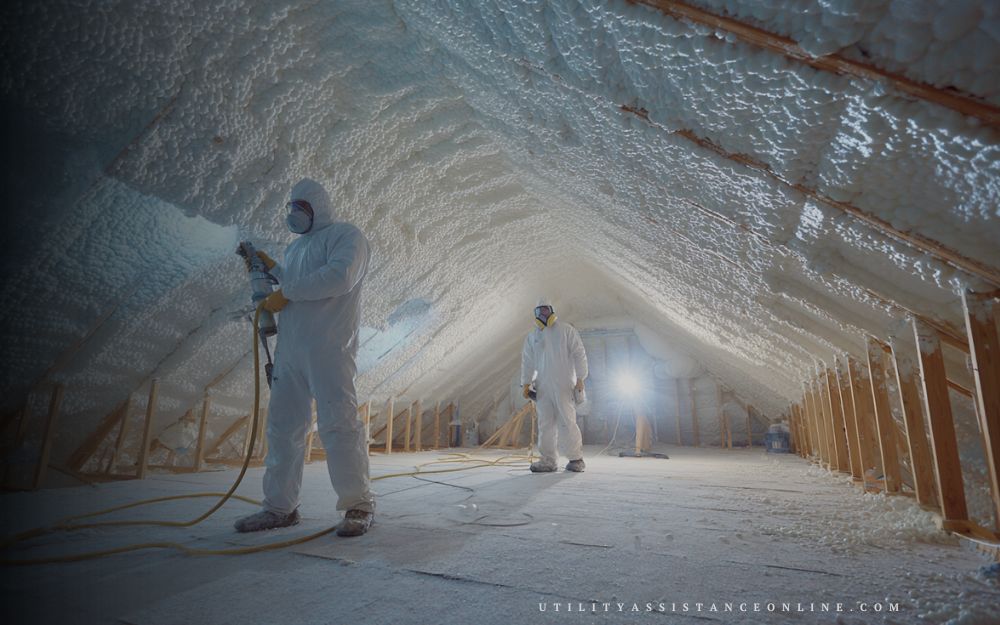
Closed-cell spray foam insulation is a two-component material that is applied as a liquid and quickly expands into a dense, rigid foam. Once cured, it forms a continuous insulation and air-sealing layer that can reduce heat transfer, block drafts, and help manage moisture.
Unlike fiberglass batts or loose-fill insulation, closed-cell foam adheres to surfaces and seals many gaps as it expands. This makes it useful in attics, crawl spaces, basements, rim joists, wall cavities, roof decks, and other areas where air leakage is a major source of energy loss.
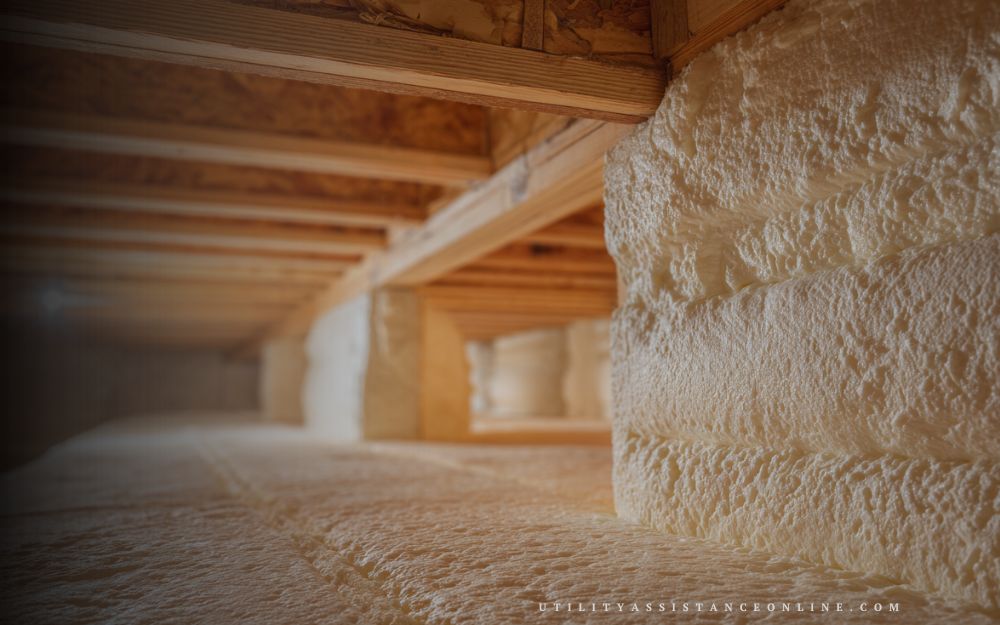
Closed-cell foam is commonly made from polyurethane or polyisocyanurate chemistry. Its structure contains millions of tiny closed cells, which helps it achieve a higher R-value per inch than many traditional insulation materials.
How Closed-Cell Spray Foam Works
During installation, heated chemical components are pumped through a spray gun and mixed at the nozzle. The foam expands on contact, bonds to the surface, and cures into a hard insulating layer.
Expands Into Gaps
The foam fills cracks, cavities, and irregular spaces that are difficult to seal with traditional insulation.
Creates an Air Barrier
At proper thicknesses, closed-cell spray foam can reduce air leakage and improve whole-home comfort.
Resists Moisture
Its dense structure absorbs less water than open-cell foam and can act as a vapor retarder in many assemblies.
Adds Rigidity
Once cured, the foam can add stiffness to certain wall, roof, and floor assemblies.
Ready to Reduce Drafts and Energy Waste?
A professional insulation assessment can help you identify air leaks, moisture risks, and the best places to use closed-cell spray foam.
Main Benefits of Closed-Cell Spray Foam Insulation
Spray-in expanding closed-cell foam insulation is popular because it solves several building-performance problems at once. It insulates, air seals, helps control moisture, and can improve comfort in hard-to-treat spaces.
High R-Value
Closed-cell spray foam typically delivers about R-5.8 to R-6.9 per inch, depending on product formulation.
Better Air Sealing
It reduces drafts by sealing small openings around framing, penetrations, and uneven surfaces.
Moisture Resistance
Its dense closed-cell structure helps resist bulk water and can reduce condensation risk when properly designed.
Long Service Life
Properly installed foam can last for decades with minimal maintenance when protected from damage and UV exposure.
Structural Support
The rigid cured foam can add stiffness to some building assemblies, especially compared with loose-fill materials.
Compact Performance
Because it has high insulation value per inch, it works well where framing depth or space is limited.
Open-Cell vs. Closed-Cell Spray Foam
Open-cell and closed-cell spray foam are not interchangeable. Each has different density, cost, R-value, and moisture characteristics.

R-Value, Energy Savings, and Thermal Performance
R-value measures resistance to heat flow. The higher the R-value, the better the insulation resists heat transfer. Closed-cell spray foam is often chosen because it delivers strong R-value in a thin layer while also limiting air leakage.
However, R-value is only part of real-world performance. Air sealing, moisture control, installation quality, thermal bridging, HVAC condition, windows, and local climate all affect final energy savings.
Costs and ROI of Closed-Cell Spray Foam Insulation
Closed-cell spray foam costs more than fiberglass, cellulose, and most open-cell foam installations. Pricing is often calculated by the board foot, which means one square foot installed one inch thick.
Typical closed-cell spray foam pricing often falls around $1.00 to $1.65 per board foot, but the installed cost can be higher depending on your region, project size, thickness, accessibility, removal of old insulation, ventilation needs, and contractor minimums.
Higher Upfront Cost
Closed-cell foam requires professional equipment, trained labor, protective gear, and careful jobsite preparation.
Lower Energy Waste
Energy savings come from both insulation value and reduced air leakage.
Best ROI Areas
Attics, crawl spaces, rim joists, metal buildings, and moisture-prone areas often deliver stronger value.
Long-Term Payback
Payback depends on utility rates, climate, existing insulation, air leakage, and total project cost.
Best Places to Use Closed-Cell Spray Foam
Closed-cell foam is not always needed everywhere in a building. It is most useful where moisture, air leakage, limited space, or durability matter most.
Crawl Spaces
Useful for air sealing and moisture-resistant insulation in vented or encapsulated crawl space projects.
Rim Joists
Excellent for sealing common air leaks around basement or crawl space framing transitions.
Basements
Can help manage moisture and temperature swings when used in correctly designed wall assemblies.
Roof Decks
Can support unvented attic assemblies when installed according to local building code requirements.
Metal Buildings
Helps reduce condensation and improve thermal performance in warehouses, workshops, and storage buildings.
Under Slabs
Some closed-cell products are used in specialty applications where compressive strength and moisture resistance are important.
Installation Process and Safety Considerations
Spray foam installation is not like placing fiberglass batts. It requires chemical handling, temperature control, proper mixing, ventilation, protective equipment, and trained installers.
- Site preparation: Surfaces are cleaned, dried, and protected from overspray.
- Moisture inspection: Leaks, rot, mold, and structural problems should be corrected before installation.
- Equipment setup: Components are heated and pressurized according to manufacturer specifications.
- Spray application: Foam is applied in controlled passes to the required thickness.
- Curing and ventilation: The area is ventilated and kept off-limits until it is safe to re-enter.
- Final inspection: The contractor checks coverage, thickness, adhesion, and missed spots.
Choosing the Right Spray Foam Contractor
The quality of the installer matters as much as the product. Poor mixing, spraying too thick in one pass, inadequate ventilation, or applying foam to wet surfaces can cause odor, shrinkage, poor adhesion, or uneven performance.
Ask About Training
Look for installers trained in spray polyurethane foam application and safety practices.
Confirm Product Specs
Request the product data sheet, R-value, ignition barrier requirements, and warranty details.
Discuss Ventilation
Ask when occupants and pets can safely re-enter the home after installation.
Review Code Needs
Ask whether an ignition barrier, thermal barrier, or building permit is required for your project.
Watch: Understanding Spray Foam Insulation
This overview explains how spray foam insulation supports air sealing and energy performance in residential buildings.
Frequently Analyzed Topics
What is the difference between spray foam and traditional insulation?
Spray foam insulation expands and adheres to surfaces, helping seal air leaks while insulating. Traditional insulation such as fiberglass or cellulose mainly slows heat transfer but usually needs separate air sealing for best performance.
Can closed-cell foam insulation help prevent mold?
Closed-cell foam can help reduce moisture intrusion and condensation risk when installed correctly, which may lower conditions that support mold growth. It does not fix existing leaks, mold, drainage problems, or poor ventilation.
How much does closed-cell spray foam insulation cost?
Closed-cell foam is often priced by the board foot and commonly ranges around $1.00 to $1.65 per board foot before project-specific variables. Final installed costs depend on thickness, access, labor, region, prep work, and code requirements.
Is closed-cell spray foam safe for homes?
When properly installed and cured, closed-cell spray foam is commonly used in homes. During installation, uncured chemicals require protective equipment, ventilation, and re-entry precautions. Always follow the manufacturer’s safety instructions and contractor guidance.
How long does spray foam installation take?
Many residential projects can be completed in one to two days, depending on size, access, preparation, and curing requirements. Larger homes, crawl spaces, attics, and commercial buildings may take longer.
Does closed-cell spray foam shrink over time?
Properly installed closed-cell foam is designed to remain stable for many years. Shrinkage, cracking, or odor problems are more often associated with poor installation, incorrect mixing, unsuitable surface conditions, or product defects.
Conclusion: Is Closed-Cell Spray Foam Worth It?
Closed-cell spray foam insulation is one of the strongest options for homeowners and building owners who need high R-value, air sealing, moisture resistance, and durability in one product.
It is especially useful in crawl spaces, rim joists, basements, roof decks, metal buildings, and other areas where air leakage or moisture can drive energy waste and comfort problems. The trade-off is cost: closed-cell foam is more expensive than many traditional insulation options and requires professional installation.
For the best results, compare insulation strategies, ask contractors for detailed proposals, and make sure the project follows local building codes, ventilation requirements, and product specifications.
Start Saving Energy With Better Insulation
Closed-cell spray foam can be a smart upgrade when comfort, moisture resistance, and long-term energy performance matter.
- Identify drafty or moisture-prone areas first
- Compare closed-cell foam against other insulation options
- Ask contractors for R-value, thickness, and warranty details
- Confirm safety, ventilation, and re-entry procedures
- Review weatherization and utility savings opportunities