We have a curated list of the most noteworthy news from all across the globe. With any subscription plan, you get access to exclusive articles that let you stay ahead of the curve.
We have a curated list of the most noteworthy news from all across the globe. With any subscription plan, you get access to exclusive articles that let you stay ahead of the curve.
We have a curated list of the most noteworthy news from all across the globe. With any subscription plan, you get access to exclusive articles that let you stay ahead of the curve.
Understanding the Importance of Window Replacement in Montana
Your home is more than just walls and a roof; it’s your haven, where memories are made and dreams take shape. But what about your windows? They’re not just frames with glass; they’re your connection to the world outside, inviting natural light and fresh air into your living spaces. If you’re part of a low- to middle-income family in Montana, we understand the challenges of maintaining a comfortable and energy-efficient home. That’s why we’re here to illuminate how window replacement assistance can transform your house into a cozy, efficient, and welcoming space.
1. Assessing Your Window Replacement Needs
The First Step Towards Improvement
It all starts with an assessment. Take a walk around your home and inspect your windows. Are there drafts? Condensation? Visible signs of wear and tear? Identifying these issues is the first step toward determining whether repair or replacement is needed. Assessing your window replacement needs puts you on the path to creating a more comfortable and energy-efficient living environment.
2. Researching local window replacement assistance programs and services
Tapping into Available Resources
Montana cares about its residents, and that care extends to your home’s energy efficiency. We have gathered a list of local organizations that offer window replacement assistance programs. From government grants to energy efficiency rebates, these programs are designed to make window replacement more accessible for low- to middle-income families like yours. Check out the offerings of organizations such as Montana Energy Corps and the Montana Department of Environmental Quality.
3. Choosing the Right Window Replacement Company or Contractor
Partnering for Success
When it comes to window replacement, expertise matters. You want a company or contractor that not only offers quality work but also understands Montana’s unique climate. Look for licensed and insured professionals who have a track record of customer satisfaction. Reviews and recommendations from fellow Montanans can provide insights into the level of service you can expect. We recommend exploring options like Montana Window Pros and Big Sky Windows for reliable assistance.
4. Exploring Financing Options for Window Replacement Projects
Overcoming Financial Hurdles
We understand that budget constraints can be a concern. Fortunately, there are financing options available to help you embark on your window replacement journey. Low-interest loans tailored for energy-efficient upgrades can make the investment more manageable. Payment plans and assistance programs can also lighten the financial burden, ensuring that you can enhance your home without compromising your finances.
5. Maximizing Energy Efficiency with New Windows: Tips and Considerations
Choosing wisely for efficiency
Energy efficiency is at the heart of modern window replacement. When selecting new windows, pay attention to the U-factor and R-value ratings. These metrics indicate a window’s insulating properties and heat resistance. Proper installation techniques are equally important; even the most energy-efficient windows won’t perform optimally if not installed correctly. We recommend consulting with professionals to ensure your windows are maximizing energy efficiency.
Conclusion: Enhance your home’s comfort and energy efficiency with Montana window replacement assistance.
Your home deserves the best—a space that’s comfortable, efficient, and welcoming. With Montana Window Replacement Assistance, you’re not just replacing windows; you’re upgrading your quality of life. Embrace the resources available to you, choose the right professionals, and make informed decisions for energy-efficient windows that enhance your home’s value and your family’s well-being.
Find the Right Help for Your Montana Window Replacement!
Explore Montana’s top resources for affordable window replacements to enhance your home’s efficiency and comfort. Start your journey with expert guidance and financial support tailored to Montana homeowners.
Introduction: Understanding the Importance of Window Replacement
Your home is your haven, and every aspect of it contributes to your comfort and well-being. Among these, your windows play a pivotal role in enhancing energy efficiency, aesthetics, and overall living quality. If you’re part of a low- to middle-income family in Indiana, we understand that maintaining and upgrading your home can be challenging. That’s where we come in—to introduce you to the transformative potential of Indiana Window Replacement Assistance. This guide not only addresses your specific needs but also emphasizes the importance of taking action.
Finding the Right Windows for Your Indiana Home
Exploring Your Options
When it comes to choosing the right windows for your Indiana home, the possibilities are vast. Different window styles, materials, and features offer unique benefits. Popular window styles for Indiana homes include double-hung windows, casement windows, and sliding windows, each with its charm and functionality.
Choosing the Right Window Materials
Window materials also play a crucial role in durability and energy efficiency. You can choose from options like vinyl windows, wood windows, and fiberglass windows, each with its own set of advantages. Finding the right combination of style and material ensures that your new windows enhance both aesthetics and performance.
Selecting a Reliable and Professional Window Replacement Company in Indiana
Trusting the experts
The key to a successful window replacement project lies in partnering with a reputable and professional window replacement company. As you embark on this journey, consider the following:
Checking Credentials and Experience: Look for licensed window contractors with years of experience in window installation. Their expertise ensures that the installation process is smooth and efficient.
Reading customer reviews and testimonials: Customer satisfaction ratings and positive feedback provide insights into the quality of service you can expect. Hearing about successful window replacement projects from others builds confidence in your choice.
Obtaining Multiple Quotes for Comparison: It’s important to gather window replacement cost estimates from different companies. This allows you to compare pricing, services, and warranties, helping you make an informed decision.
The Benefits of Professional Window Installation Services in Indiana
Elevating Your Home’s Potential
While quality windows are important, proper installation is equally crucial. When you opt for professional window installation services, you’re ensuring that your windows are installed correctly with proper sealing and insulation techniques. This not only enhances energy efficiency but also prolongs the lifespan of your windows. Additionally, many reputable companies offer warranty coverage for their installation workmanship, providing you with added peace of mind.
Conclusion: Enhance Your Indiana Home with New Windows and a Professional Installation
In the journey of home improvement, window replacement stands out as a significant step. Upgrading your windows doesn’t just enhance energy efficiency and aesthetics; it transforms your living space into a haven of comfort and style. With Indiana Window Replacement Assistance and the guidance in this guide, you have the tools to make an informed decision that aligns with your needs and aspirations. Let the benefits of new windows and professional installation elevate your Indiana home today.
Real-time outage visualization on the CenterPoint Energy Outage Tracker helps you understand disruptions instantly.
What is the CenterPoint Energy Outage Tracker?
The CenterPoint Energy Outage Tracker is a free, cloud-based online map that gives customers in Greater Houston and Southwestern Indiana real-time information about power outages, estimated restoration times, and affected service areas. Relaunched on August 1, 2024, it refreshes every five minutes and works on any mobile or desktop device.
If you live in the Houston area or Southwest Indiana, you have probably experienced a power outage that left you wondering when the lights would come back on. The CenterPoint Energy Outage Tracker was built specifically to answer that question. As a customer, you gain instant visibility into outages, restoration timelines, and affected neighborhoods — making it easier to stay prepared when severe weather strikes. For background on how overlapping outages spread through Houston neighborhoods, see our explainer on power outages in the Houston area.
The platform was completely rebuilt after the original tracker failed during the May 2024 derecho and the catastrophic July 2024 Hurricane Beryl outages that left more than two million customers without power. The relaunched system reflects a proactive grid-reliability strategy similar to initiatives explained in this energy system inspection guide. Since the rebuild, CenterPoint has added further improvements including a February 2026 Community Progress Tracker that layers visible grid-hardening work on top of outage data.
Key Terms You Need to Know Before Using the CenterPoint Energy Outage Tracker
CenterPoint Energy Outage Tracker
The cloud-hosted interactive map at CenterPointEnergy.com/OutageTracker that shows live outage locations, restoration times, and affected customer counts.
Estimated Restoration Time (ETR)
The projected time when power is expected to be restored to a specific outage, based on crew assessments and historical restoration data.
Nested Outage
A localized secondary outage (damaged line fuse, transformer, or service line) that persists after the wider area has been restored, sometimes invisible on the main map.
Cloud-Based Platform
The auto-scaling hosting architecture that allows the tracker to handle massive traffic spikes during hurricanes without crashing, a direct response to the May 2024 failure.
Weather Integration Layer
An optional map overlay that shows active storms, radar, and warnings so you can connect current outages to the severe weather causing them.
Greater Houston Resiliency Initiative (GHRI)
CenterPoint’s multi-year grid-hardening program that has installed 56,000+ new poles and undergrounded 430+ miles of lines, now visible on a companion Community Progress Tracker.
What Is the CenterPoint Energy Outage Tracker and Why Was It Relaunched?
The CenterPoint Energy Outage Tracker is the utility’s primary public-facing tool for communicating outage information during severe weather and routine service disruptions. The current version launched on August 1, 2024, replacing a legacy tracker that collapsed under traffic during the May 2024 derecho storm and remained unreliable through Hurricane Beryl two months later.
CenterPoint CEO Jason Wells committed to the August 1 deadline during testimony before Texas lawmakers after widespread criticism of the company’s Hurricane Beryl response. Tony Gardner, CenterPoint’s Chief Customer Officer at the time, framed the relaunch as “part of our overall commitment to improve our customer and public communications” and emphasized that the new CenterPoint Energy Outage Tracker was “designed to meet greater demand and provide more timely updates.”
As a Houston homeowner, this means you now have a dependable resource that will not crash when you need it most. As a small business owner in the service territory, you can verify outages quickly and make staffing or closure decisions without guessing. As a property manager juggling multiple addresses, you can monitor every location from a single dashboard.
The tracker covers CenterPoint’s full electric service territory, which includes Greater Houston (a 12-county area) and Southwestern Indiana. Customers in Texas who are separately served by other retailers still benefit from the tracker because CenterPoint owns and operates the distribution wires regardless of who sells the electricity.
Understanding what the CenterPoint Energy Outage Tracker actually does, versus what it does not do, saves frustration. The tracker is designed to visualize outages that CenterPoint’s grid monitoring system has detected at the circuit or substation level. It does not show individual meter-level problems, customer-owned equipment failures, or outages inside a building’s own electrical panel. If your neighbor has power and you do not, the tracker alone will rarely explain why. That is why customer-submitted reports through the red REPORT button are essential: they feed localized intelligence that the automated system cannot pick up on its own.
The August 2024 rebuild also changed how CenterPoint communicates restoration progress. The legacy tracker issued static updates that were often hours behind field reality. The new platform instead pulls live data from distribution management systems, automated reclosers, and field crew check-ins, then consolidates that data into map pins that update on the same five-minute cycle regardless of event size. That architectural shift is what makes the modern tracker useful during a Category 1 hurricane instead of going dark like the previous one did.
7 Key Features of the CenterPoint Energy Outage Tracker
The rebuilt tracker includes seven features that make it more useful than the version it replaced. Each was specifically designed to address a complaint from the Beryl response.
Cloud-based architecture: Auto-scales to handle traffic spikes during major storms, eliminating the crashes that plagued the original platform.
Five-minute refresh cycle: New outage data flows into the map every five minutes, giving you near-real-time visibility into changing conditions.
Mobile-friendly interface: Works cleanly on smartphones and tablets without requiring a separate app download.
Weather integration layer: Toggle on radar and severe weather warnings to see how storms are driving outages in real time.
Summary reporting: Filter outages by county, city, or ZIP code to focus only on the areas relevant to you.
Estimated Restoration Times (ETRs): Each outage pin displays a projected restoration window based on crew assessments and historical patterns.
Street and satellite views: Switch to satellite imagery to see vegetation density and environmental context around affected equipment.
A Spanish-language toggle is also available, addressing a major accessibility gap in the original tool. Customer-submitted outage reports through the red REPORT button feed directly into CenterPoint’s dispatch system, which helps close the gap when a nested outage affects a single home after surrounding power is restored.
Data Highlight
Every 5 Minutes
That is how often new outage data is pushed to the CenterPoint Energy Outage Tracker map — a pace fast enough to show restoration progress during an active event without overwhelming customers with noise.
Where to Find and Access the CenterPoint Energy Outage Tracker
You can access the CenterPoint Energy Outage Tracker directly at CenterPointEnergy.com/OutageTracker, which redirects to the current map application hosted at tracker.centerpointenergy.com/map/. Both URLs work on desktop browsers and mobile devices. No login or account is required to view public outage information, though reporting an outage requires either your service address, phone number, or meter number.
The tracker is linked prominently from the CenterPoint homepage during active weather events and is embedded in local news broadcasts and emergency management communications across Harris, Fort Bend, Montgomery, Brazoria, Galveston, and surrounding counties. If you are struggling to pay your electric bill after an extended outage, check our guide to utility assistance programs in Houston, TX for relief options.
Beyond the outage map itself, CenterPoint publishes educational resources to help you prepare for hurricane season, winter freezes, and grid disruptions. Bookmarking the tracker on your phone’s home screen before a storm approaches is one of the fastest preparedness steps you can take.
How to Use the CenterPoint Energy Outage Tracker Effectively
Getting the most out of the CenterPoint Energy Outage Tracker takes less than a minute once you know the workflow. Follow these five steps during any outage:
Visit CenterPointEnergy.com/OutageTracker from any browser. The map loads centered on Greater Houston by default.
Enter your street address in the “Find a location” search bar to zoom to your neighborhood and see localized outage data.
Click any colored outage circle to open a pop-up showing the outage start time, affected customer count, cause (if known), and Estimated Restoration Time.
Use the red REPORT button in the lower-right corner to submit your own outage using your phone number or meter number if your outage is not already visible.
Toggle overlays using the layer controls to add satellite imagery, street view, or live weather radar depending on what context you need.
As a renter in an apartment complex, zooming tightly on your building is the only way to distinguish a building-wide outage from a unit-specific electrical problem. As a caregiver for an elderly parent, keeping their address saved in your browser makes it easy to verify their power status during a storm. As a business owner with perishable inventory, setting up bookmarks for every location lets you triage decisions quickly.
Author’s Pro-Tip: The “Nested Outage” Trap
If your power is still out but the tracker shows no outage at your address, you are likely experiencing a nested outage — a localized failure of the line fuse, transformer, or service drop feeding just your home after the main circuit has been restored. Do not assume the tracker is wrong. Click the REPORT button immediately and submit a ticket so a dedicated crew can be dispatched. Nested outages are invisible to the main grid-monitoring system and will not be fixed until someone reports them.
Preparing your home for seasonal changes reduces outage risks and complements what the tracker can tell you.
Power Out? Do Not Wait to Know When It Will Come Back.
Every minute counts during a severe weather event. Open the CenterPoint Energy Outage Tracker now, bookmark your address, and get real-time restoration updates on any device.
Advanced CenterPoint Energy Outage Tracker Features for Power Users
Satellite View for Vegetation Context
Switching the map to satellite view shows the tree canopy and vegetation density around affected equipment. This context helps you understand why certain neighborhoods experience repeated outages during storms and which lines are candidates for the tree-trimming work CenterPoint has been accelerating across Greater Houston.
Weather Overlay Correlation
Enabling the weather overlay lets you watch severe weather cells move across the service territory in real time. When you see a thunderstorm cluster approaching and outage pins starting to appear in its path, you get several minutes of warning that your area may be next.
ZIP Code and County Filters
Filtering by ZIP, city, or county is the fastest way to summarize outages across a large area. Property managers overseeing portfolios in multiple ZIP codes, municipal emergency managers, and journalists covering storm impact all rely on this view.
Community Progress Tracker Integration
In February 2026, CenterPoint launched a companion Community Progress Tracker that displays the location of more than 56,000 new storm-resilient poles, more than 8,000 miles of tree-trimmed lines, and more than 500 new grid automation devices installed under the Greater Houston Resiliency Initiative. Cross-referencing the outage tracker with the Community Progress Tracker gives you a sense of where reliability is improving most.
“We relaunched our outage tracker as a cloud-based solution, so that has autoscaling abilities. As part of our overall commitment to improve our customer and public communications, the new tool is designed to meet greater demand and provide more timely updates. Future enhancements and updated functionality will be guided by customer feedback.”
CenterPoint Energy Outage Tracker vs. Texas Retail Provider Portals
The CenterPoint Energy Outage Tracker is not the same as the customer portals run by your retail electricity provider. CenterPoint is the transmission and distribution utility that owns the wires in Greater Houston, while companies like Reliant Energy, TXU Energy, and Gexa Energy sell the electricity that flows through those wires. When the wires go down, CenterPoint restores them. When you need payment help, you call your retailer.
How the CenterPoint Energy Outage Tracker Helps You During Severe Weather
Severe weather is when the CenterPoint Energy Outage Tracker earns its value. During Hurricane Beryl, the failure of the previous tracker left more than two million customers with no visibility into when their power would return. The rebuilt system solves that specific failure mode through its cloud architecture, and it adds several weather-specific capabilities.
When a named storm approaches the Texas Gulf Coast, CenterPoint activates enhanced staffing and additional data feeds into the tracker. You will typically see outage ETRs switch from precise timestamps to broader daypart windows (for example, “Evening of the following day”) because restoration estimates become less accurate in catastrophic conditions. That change is a signal to shift to storm-recovery mode rather than waiting at home for a specific hour.
For ice storms and winter freezes, the tracker behaves slightly differently. Outages tend to cluster along specific tree-lined corridors rather than across wide zones, and ETRs are often longer because crews cannot work safely in icing conditions. The weather overlay becomes especially useful here because it lets you correlate outages with freezing precipitation bands. If the freeze also spikes your electric bill, review the information you would need before deciding between a hurricane-related payment assistance program and a standard deferred payment plan.
Before hurricane season, use the CenterPoint Energy Outage Tracker proactively rather than reactively. Bookmark the tracker URL on every device in your household. Test the page load a few days before a named storm is forecast to ensure your browser is caching correctly. Screenshot your neighborhood at a baseline state so you have a reference for comparison. Charge backup battery packs so you can keep loading the tracker even if home internet is disrupted — cellular data will usually still work for map access.
During an active hurricane, do not refresh the tracker obsessively. The refresh cycle is five minutes, so checking every thirty seconds tells you nothing new and can slow your device’s performance. Instead, glance at the tracker once every fifteen to twenty minutes, and pay attention to whether the number of outages in your ZIP code is trending up (storm still active) or down (restoration underway). Combine this with your local National Weather Service forecast so you know whether crews can actively work or are sheltered until conditions improve.
After the storm passes, the tracker becomes your most reliable source for restoration ETRs because crews are reporting real progress. If your address still shows an outage 48 hours after widespread restoration, re-submit a report through the REPORT button — that second report flags a likely nested outage or customer-equipment issue that requires a targeted truck roll rather than a circuit-level fix.
Frequently Analyzed Topics About the CenterPoint Energy Outage Tracker
How often is outage data on the CenterPoint Energy Outage Tracker updated?
New outage data is pulled into the tracker every five minutes. Your specific outage status may not change that often because it only updates when CenterPoint’s systems have new information about your address, such as a crew arrival or repair completion.
Can I receive outage alerts from CenterPoint without checking the tracker?
Yes. Enroll in Power Alert Service through your CenterPoint online account to receive text, email, or voice notifications when an outage is reported at your address and when power is restored. Alerts work alongside the tracker and do not replace it. Enrolling takes about two minutes and requires your account number from a recent bill plus the mobile number or email address where you want alerts delivered. You can set different notification channels for different types of events, so for example you might get a text for a new outage but an email for a planned maintenance notification.
How accurate are the Estimated Restoration Times shown on the tracker?
ETRs are based on a mix of real-time crew assessments and historical restoration patterns for similar outage types. They are reliable during routine outages but should be treated as rough estimates during major storms, when scope and conditions can change hourly. If you see an ETR move backward (further into the future) several times in a row, that is usually a sign crews have discovered more damage than initially expected at the site. Plan around the broadest reasonable window rather than the specific timestamp, especially if you depend on refrigerated medication or medical equipment.
Is the CenterPoint Energy Outage Tracker mobile-friendly?
Yes. The tracker is fully optimized for smartphones and tablets and does not require a separate app. Saving the page to your phone’s home screen gives you one-tap access during an outage.
Why does the tracker show no outage when my power is still out?
You are likely experiencing a nested outage, a localized issue such as a damaged line fuse, transformer, or service line that feeds only your home. Customer-owned equipment problems (weatherhead, meter box, or a tripped breaker) can also cause this. Report the outage through the red REPORT button so CenterPoint can dispatch a crew.
Does the CenterPoint Energy Outage Tracker cover customers outside of Houston?
Yes. In addition to the 12-county Greater Houston electric service area, the tracker covers CenterPoint’s Southwestern Indiana electric customers. Gas-only customers in other states do not use this specific tracker because the outage map is designed for electric service disruptions.
Take Control of the Next Outage Before It Takes Control of You
The CenterPoint Energy Outage Tracker gives you live restoration data, ZIP-level filtering, storm overlays, and a direct channel to report nested outages. Bookmark it today so you are not scrambling when the next hurricane, freeze, or thunderstorm rolls through.
Yes. Reliant Energy announced payment assistance for customers impacted by Hurricane Beryl, including waived late fees from July 8 through July 31, deferred payment plans, and additional support options to help families recover from storm-related financial hardship.
Understanding Reliant Energy’s Hurricane Beryl Payment Assistance Program
Thousands of Texas households experienced prolonged power outages following Hurricane Beryl.
Recovering from Hurricane Beryl can be overwhelming. Beyond property damage and disrupted routines, many families face unexpected financial pressure from lost wages, temporary housing costs, and higher utility expenses.
To help customers during recovery, Reliant Energy introduced several relief measures designed to reduce immediate financial burdens and provide additional time for customers to manage their utility accounts.
Late fees waived for impacted customers from July 8 through July 31.
Deferred payment plans that spread balances over time.
Customer support representatives available around the clock.
Flexible payment arrangements for qualifying households.
Customers in affected areas received
Late Fee Relief
From July 8 through July 31, to ease financial stress during recovery efforts.
How Hurricane Beryl Increased Financial Pressure on Families
Hurricane Beryl caused extensive service interruptions across Texas, leaving many households without electricity for days. The financial effects of these outages can continue long after power is restored.
Extended Power Outages
Many residents lost refrigeration, experienced spoiled food, and needed temporary lodging or generators to remain safe.
Higher Energy Usage After Restoration
Once power returned, households often needed to run air conditioning continuously, recharge devices, and repair damaged systems, resulting in increased energy usage.
Unexpected Household Expenses
Storm recovery frequently involves insurance deductibles, transportation expenses, and emergency repairs that strain already limited budgets.
Pro Tip from the Editorial Team: If you have been impacted by Hurricane Beryl, contact your utility provider as soon as possible. Many assistance options are only available when customers request help before their account becomes seriously delinquent.
Who Qualifies for Hurricane Beryl Payment Assistance?
Reliant Energy’s assistance options are generally intended for customers who experienced hardship because of Hurricane Beryl.
Requirement
Description
Disaster Area Residency
The customer lives in an officially impacted area.
Financial Hardship
Storm-related income loss or emergency expenses.
Account Verification
Recent utility bill or account information.
Supporting Documentation
Insurance claims, FEMA applications, or proof of damage if requested.
Need Help Paying Your Utility Bill?
Additional utility assistance programs may be available to help prevent disconnection and reduce financial hardship.
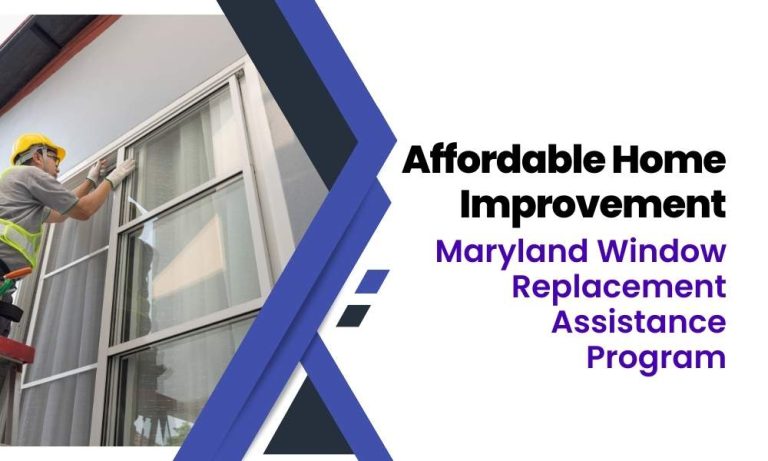
Can Maryland Homeowners Get Help Replacing Windows?
Yes. Maryland homeowners may qualify for weatherization grants, housing rehabilitation assistance, or energy-efficiency programs that help reduce the cost of replacing inefficient windows. These programs are designed to improve home energy performance while lowering monthly utility expenses.
Energy-efficient window replacement programs may help Maryland homeowners reduce heating and cooling costs.
Understanding the Maryland Window Replacement Assistance Program
Owning a home comes with ongoing maintenance costs, and aging windows are one of the most common sources of energy loss. Older windows can allow drafts, moisture intrusion, and temperature fluctuations that increase heating and cooling expenses throughout the year.
The Maryland Window Replacement Assistance Program helps eligible households upgrade to modern energy-efficient windows that improve insulation and overall comfort. Depending on the organization offering assistance, homeowners may receive grants, subsidized repairs, or low-cost installation options.
Programs may be offered through state weatherization initiatives, nonprofit housing organizations, local energy-efficiency agencies, or community development programs serving Maryland residents.
Who Is Eligible for Window Replacement Assistance in Maryland?
Eligibility requirements vary by provider, but many programs focus on assisting low-income and moderate-income households that need help improving home energy efficiency.
Eligibility Area
Typical Requirements
Maryland Residency
Applicants must live within Maryland
Homeownership
Proof of property ownership may be required
Income Limits
Programs often prioritize lower-income households
Required Documentation
Utility bills, identification, and income verification
Certain assistance programs may also prioritize seniors, veterans, disabled individuals, or households with children because these groups are often more vulnerable to high energy costs and unsafe living conditions.
Emergency window replacement assistance may be available for households facing severe energy loss or unsafe window conditions.
How to Apply for Maryland Window Replacement Assistance
Locate Available Programs: Search for Maryland weatherization agencies, housing rehabilitation programs, or nonprofit assistance providers that offer window replacement services.
Prepare Your Documentation: Gather proof of income, homeownership documents, utility bills, and identification before beginning your application.
Submit an Application: Some providers offer online applications, while others may require a phone interview or office appointment.
Schedule a Home Energy Assessment: Approved applicants may receive an energy audit to determine the condition of their existing windows and identify efficiency upgrades.
Receive Approval and Installation Scheduling: Once approved, contractors or partner organizations may coordinate replacement services.
Energy-efficient windows can help reduce drafts, improve insulation, and lower monthly heating and cooling expenses throughout the year.
Benefits of Replacing Old Windows
Lower Utility Bills
Modern windows reduce heat transfer and help lower energy consumption during summer and winter months.
New energy-efficient windows can help block outside traffic and environmental noise.
Higher Home Value
Updated windows may improve curb appeal and increase long-term property value.
Need Help Paying for New Windows?
Many homeowners postpone window replacement because of high installation costs. Assistance programs may help reduce those expenses while improving your home’s energy efficiency and comfort.
Can renters qualify for Maryland window replacement assistance?
Most programs focus on homeowners, but some rental properties may qualify if landlords participate in approved energy-efficiency or rehabilitation initiatives.
Are emergency replacement programs available?
Certain housing repair programs may offer emergency assistance when damaged windows create unsafe conditions or severe energy loss.
Do programs cover the full replacement cost?
Coverage varies by provider. Some programs may fully cover replacement costs, while others offer grants, discounts, or subsidized financing options.
What windows are typically approved?
Many programs prioritize ENERGY STAR® certified windows because they improve insulation and support long-term energy savings.
How long does approval usually take?
Approval timelines depend on funding availability, inspection requirements, and application volume within your local area.
Replacing inefficient windows can improve comfort, reduce utility bills, and help protect your home from seasonal temperature extremes. Explore available assistance options today.
Introduction: Addressing Home Improvement Challenges for Wisconsin Families
As a Wisconsin homeowner, you know that maintaining a comfortable and energy-efficient home is a top priority. However, outdated and inefficient windows can stand in the way of achieving these goals. The good news is that window replacement assistance programs are available to provide a solution. In this comprehensive guide, we’ll delve into the importance of window replacement, the benefits of seeking assistance, and how these programs can make a positive impact on your home and family.
The Benefits of Window Replacement Assistance: Making a Meaningful Difference
Access to Financial Assistance
Window replacement projects can be costly, and for low- to middle-income families, this can be a significant barrier. Window replacement assistance programs offer financial aid to help cover the expenses of upgrading your windows to more energy-efficient ones. This means that you can improve your home’s comfort and energy efficiency without straining your budget.
Energy-saving programs and grants
Wisconsin is known for its unpredictable weather, which can take a toll on your home’s energy consumption. Energy-efficient windows can play a crucial role in maintaining a consistent indoor temperature and reducing your heating and cooling costs. With window replacement assistance programs, you can access grants and programs that incentivize energy-saving upgrades, making your home more eco-friendly and cost-effective.
Exploring Different Window Types for Your Wisconsin Home
Double-Pane Windows
Double-pane windows offer improved insulation and noise reduction compared to single-pane windows. They consist of two panes of glass with a layer of gas in between, enhancing energy efficiency and comfort in your home.
Vinyl Windows
Vinyl windows are popular for their durability and low maintenance requirements. They are energy-efficient and can withstand Wisconsin’s harsh weather conditions while adding a touch of modern aesthetics to your home.
Casement and awning windows
Casement windows open outward like a door, providing excellent ventilation and unobstructed views. Awning windows, on the other hand, are hinged at the top and open outward, offering protection from light rain while allowing fresh air to circulate.
Choosing the Right Window Replacement Service Provider in Wisconsin
When selecting a window replacement service provider, it’s essential to consider factors such as reputation, experience, and guarantees. Look for companies with positive reviews from satisfied customers and a track record of successful window replacement projects. Experienced professionals can ensure a seamless installation process and lasting results.
Exploring Financial Options for Window Replacement in Wisconsin
Low-Interest Loans
Many financial institutions offer low-interest loans specifically designed for home improvement projects, including window replacement. These loans make it easier for homeowners to access funds without incurring high interest rates, ultimately making window upgrades more affordable.
Government Incentive Programs
Wisconsin provides various government incentive programs aimed at promoting energy efficiency and sustainability. These programs can include tax credits, rebates, and grants for homeowners who invest in energy-saving upgrades, such as window replacement.
Tips for Maximizing Energy Efficiency with Your New Windows
When your new windows are installed, there are steps you can take to ensure optimal energy efficiency. Properly sealing windows and addressing any air leaks can prevent drafts and maintain a comfortable indoor environment, reducing your reliance on heating and cooling systems.
Conclusion: Transform your Wisconsin home with professional window replacement assistance.
The importance of window replacement goes beyond aesthetics; it’s about enhancing your home’s comfort, energy efficiency, and overall value. With window replacement assistance programs available in Wisconsin, you have the opportunity to make a positive change for your family and the environment. By choosing energy-efficient windows and accessing financial support, you’re investing in a brighter future for your home and your loved ones.
Upgrade Your Home with Wisconsin’s Window Assistance
Wisconsin’s window replacement assistance programs can help you enhance energy efficiency and save on utility costs. Learn about the key considerations and how to take advantage of these benefits today!
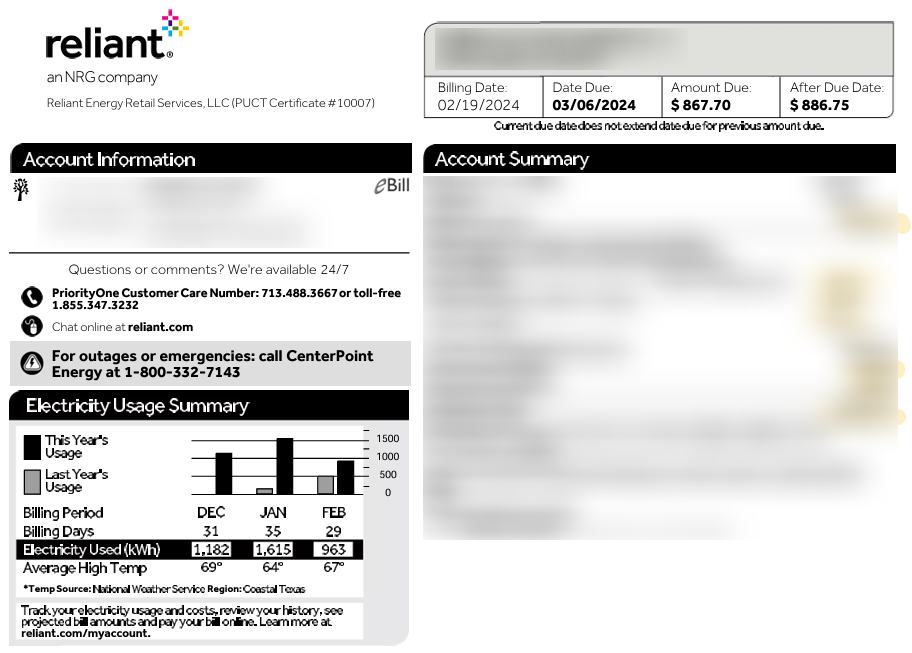
You’re not alone if you’re wondering why your electric bill is suddenly in the three-digit range. Thousands of Texans are grappling with the same concern, and understanding the reasons behind high energy bills can help you manage and potentially reduce these costs.
Extreme Weather Conditions
Extreme weather conditions, such as intense summer heat or winter cold, increase the usage of heating and cooling systems. This can cause a significant rise in electricity bills as HVAC systems work harder to maintain comfortable indoor temperatures.
Increased HVAC Usage: Heating and cooling systems consume more energy during extreme weather.
Higher Energy Demand: As temperatures soar or drop, the demand for electricity spikes, leading to higher bills.
Energy Efficiency: Understanding how weather impacts energy use can help manage costs and promote efficiency. Make your home more energy-efficient.
TDSP Charges: Transmission and Distribution Service Provider Fees
TDSP charges, controlled by the transmission and distribution service provider, can fluctuate significantly and impact your electricity bill. Electricity providers often pass these fees along to consumers.
Fluctuating Costs: TDSP charges can vary, leading to unpredictable bills.
Uncontrolled Fees: Electricity providers do not control these charges but must pass them on to consumers.
Consumer Awareness: Staying informed about TDSP charges can help you manage energy costs better.
Variable-Rate Plans
Customers on variable-rate electricity plans may experience bill increases as rates change based on market conditions. Unlike fixed-rate plans, where rates are locked in, variable rates can rise, leading to higher bills.
Rate Fluctuations: Variable-rate plans adjust based on market conditions, causing potential bill increases.
Pros and Cons: While these plans offer flexibility, they can also lead to unexpectedly high charges.
Informed Decisions: Understanding the differences between variable and fixed-rate plans helps make better budgeting choices.
Minimum Usage Requirements
Some electricity plans have minimum usage requirements. Failing to meet these can result in higher charges, so it’s essential to understand and adhere to these thresholds.
Threshold Penalties: Falling below the minimum usage can trigger additional fees.
Plan Selection: Carefully review the terms of any electricity plan for minimum usage requirements.
Cost Management: Meeting usage thresholds helps avoid extra charges and manage bills effectively.
Efficiency Tips and Assistance Programs
Managing and potentially reducing electricity bills can be achieved through energy-saving tips and assistance programs. Here are some strategies and resources:
Energy-Saving Tips: Set thermostats to “auto” and ensure homes are well-sealed to save energy.
Assistance Programs: For support, look into programs like payment extensions and the Community Assistance by Reliant Energy (CARE) program.
Optimizing Usage: Implementing these tips and utilizing assistance programs can help reduce overall energy costs.
Understanding the factors behind high energy bills and taking proactive steps can help you effectively manage and reduce your electricity costs. By staying informed about weather impacts, TDSP charges, rate plans, and usage requirements, you can better control your energy expenses and make informed decisions for a more cost-efficient future.
Unlock Savings on Your Reliant Energy Bill
Take control of your energy usage! Learn how identifying patterns can help you lower your Reliant Energy bill and make smarter energy decisions. Start saving today with these simple tips and tools!
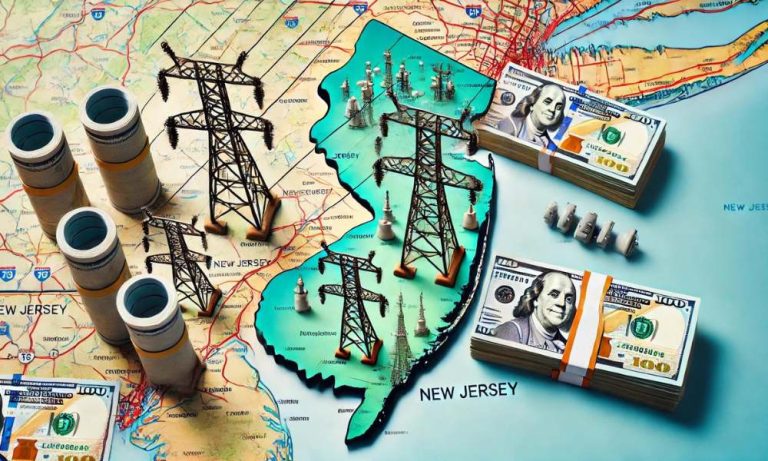
New Jersey residents have been grappling with an alarming rise in their electricity bills this summer. The average household is now looking at a staggering $782 bill for June. This eye-popping figure has left many scrambling to understand the sudden surge and how to manage the increased costs. This article delves deep into the contributing factors behind this dramatic rise and explores potential solutions to mitigate the financial burden.
Understanding the Rise in Electricity Bills
The Impact of Summer Heatwaves
The summer of 2024 has been marked by intense heatwaves that have enveloped New Jersey and much of the Eastern Seaboard. These soaring temperatures have prompted an increased reliance on air conditioning and cooling systems, significantly driving up electricity consumption. The prolonged usage of such systems is a primary factor behind the unusually high electricity bills.
Increased Energy Rates
One of the most significant triggers for the surge in electricity bills is the New Jersey Clean Energy Program adjustments in energy rates. Alongside the increased consumption, there have been adjustments in the rates charged by utility companies. These rate increases, primarily driven by various economic and political factors, have contributed to residents’ higher bills.
Unforeseen Supply Chain Issues
Global supply chain issues have disrupted the availability of essential components used in power generation. These shortages have caused a spike in operational costs for energy providers, which has been passed down to consumers. The pandemic’s impact on manufacturing and logistics continues reverberating through various industries, including the energy sector.
How to Manage and Reduce Your Electricity Bill
Energy-Efficient Appliances
Adopting energy-efficient appliances is a great way to reduce electricity consumption. Appliances with the Energy Star label are designed to consume less electricity, which can result in lower utility bills. Consider upgrading to such appliances to not only save money but also contribute to environmental conservation.
Optimize Air Conditioning Usage
Air conditioning is a major energy guzzler. To optimize its usage, ensure your home is well-insulated to retain cool air for longer. Additionally, investing in a programmable thermostat can help regulate your home’s temperature efficiently, reducing unnecessary consumption when you’re not at home.
Solar Power Considerations
Installing solar panels can be an effective long-term strategy to reduce dependency on traditional energy sources. While the initial investment may be substantial, the savings in electricity costs over the years can be significant. New Jersey offers various incentives for homeowners interested in solar energy, making it a more viable option.
Government and Utility Company Initiatives
Relief Programs
In response to the rising energy costs, some utility companies and government bodies have initiated relief programs to assist residents. For instance, PSE&G has introduced flexible payment plans and bill assistance programs. These initiatives aim to provide temporary financial relief to those struggling to keep up with the increased costs.
Energy Efficiency Rebates
Utility companies offer rebates to encourage the adoption of energy-efficient practices. Residents can receive financial incentives for upgrading their insulation, installing energy-efficient windows, or investing in smart thermostats. These rebates can significantly offset the upfront costs of making energy-saving home improvements.
Public Awareness Campaigns
Government agencies and utility companies are ramping up efforts to educate the public about energy conservation. Workshops, webinars, and online resources are available to help residents understand the best practices for energy efficiency. By raising awareness, these campaigns aim to empower consumers with the knowledge needed to reduce their electricity consumption and bills.
Future Outlook
Rising electricity bills in New Jersey cause concern but also catalyze change. As residents adapt to the new economic landscape, they will likely adopt more energy-efficient practices and technologies. Moreover, ongoing governmental and corporate initiatives should provide much-needed support to mitigate household financial strain.
While the summer of 2024 might be challenging for NJ residents, it also presents an opportunity to rethink energy usage and consumption patterns. Through immediate practical steps and long-term investments, consumers can look forward to more manageable electricity bills in the future.
Conclusion
The jaw-dropping $782 electricity bills experienced by many in New Jersey this summer result from a perfect storm of increased consumption, rising energy rates, and supply chain disruptions. Residents can proactively manage their future utility costs by understanding these factors and exploring energy-efficient alternatives.
Additionally, leveraging available relief programs and educational resources can provide immediate and lasting relief, ensuring a more sustainable and financially stable future.
Understanding New Jersey’s Energy Bill Surge
Rising energy bills? Discover the key factors driving New Jersey’s $782 energy surge and explore solutions to cut costs. Learn how NJ Clean Energy programs can help you take control of your energy expenses.
Residents of Hawaii have recently witnessed a transformative shift in their monthly electric bills. Thanks to the innovative upgrades undertaken by Hawaiian Electric, the cost of electricity is now more manageable, offering both financial relief and contributing to the sustainable future of the islands.
The Motivation Behind the Upgrades
Hawaiian Electric has long been at the forefront of promoting sustainable and cost-effective energy solutions. Increasing dependence on fossil fuels and rising energy demands necessitated an overhaul of the outdated energy model.
By embracing newer technologies and investing in infrastructure enhancement, Hawaiian Electric is keen on providing eco-friendly solutions that curtail residents’ overall expenses.
Technological Improvements and Innovations
Smart Grids
One of the most notable innovations introduced by Hawaiian Electric is the implementation of smart grid technology. These grids are designed to provide real-time monitoring of energy consumption, thus optimizing the distribution of electricity and reducing wastage.
Solar and Renewable Energy
Another significant upgrade involves the large-scale integration of solar and other renewable energy sources. With abundant sunshine throughout the year, Hawaii stands to benefit immensely from solar power. The latest investments in solar farms and rooftop solar solutions have enabled sustainable energy production at a lower cost.
Energy Storage Solutions
Incorporating advanced energy storage solutions, including lithium-ion batteries and other innovative storage technologies, balances energy supply and demand. These systems ensure a steady energy supply even during peak usage, stabilizing costs.
Impact on Monthly Electric Bills
The introduction of these technologies has had a profound impact on the monthly electric bills of Hawaii residents. Key benefits include:
Reduced Energy Costs: Adopting cost-effective, renewable energy sources has lowered overall energy costs.
Lower Utility Bills: Enhanced efficiency in energy distribution and consumption monitoring has resulted in lower utility bills.
Financial Incentives: Various financial incentives and rebates make renewable energy solutions more affordable for households.
Case Studies: Real-Life Testimonials
Several residents have expressed profound gratitude for the reduced electric bills. Here are some real-life testimonials:
“Our monthly electric bill has significantly decreased ever since Hawaiian Electric introduced their new solar program. It’s been a game-changer for our family.”
– Maria L., Honolulu
“The smart grid technology has allowed us to monitor our energy use better, and we’ve seen at least a 20% drop in our monthly bills.”
– John H., Kona
The Road Ahead: Future Prospects and Sustainability
Looking towards the future, Hawaiian Electric aims to continue its journey toward a fully sustainable, eco-friendly energy system. The company is focused on achieving 100% renewable energy by 2045, a goal that aligns with Hawaii’s state-wide commitment to sustainability.
Future plans include:
Expansion of Renewable Energy Projects: Increasing the scale and scope of existing renewable energy projects.
Innovative Storage Solutions: Continued investment in cutting-edge energy storage technology.
Community Involvement: Encouraging local communities to participate in and benefit from green energy initiatives.
How Residents Can Maximize These Benefits
To make the most of these upgrades, residents can take several steps:
Adopt Renewable Energy Solutions
Taking advantage of solar panel installations and other renewable solutions will help reduce dependency on traditional energy sources and cut down on costs.
Keep abreast of the latest updates and incentives Hawaiian Electric provides to benefit from new opportunities for savings.
By adopting these practices, Hawaii residents can reduce their electric bills while contributing to a greener future.
Conclusion
Hawaiian Electric’s innovative system upgrades mark a significant milestone in the journey toward sustainable and affordable energy in Hawaii. These improvements provide immediate financial benefits to residents and pave the way for a greener and more sustainable future. If residents continue to embrace and support these changes, Hawaii will undoubtedly become a model of renewable energy and environmental stewardship.
Hawaiian Electric Upgrades = Big Savings for Residents
Discover how innovative upgrades by Hawaiian Electric are helping Hawaii residents reduce energy consumption and lower their monthly bills. Start saving and make the most of these energy-efficient advancements today!