Home Blog Page 17

Delaware DEHAP Utility Assistance: How to Get Help with Energy Bills

0

Struggling to keep up with electricity, gas, or water bills in Delaware? You’re not alone. Rising utility costs can put pressure on households—especially renters with limited income or unexpected hardships. The Delaware Housing Assistance Program (DEHAP) was created to provide critical relief to those facing financial challenges, including utility disconnection or past-due notices.

This guide explains everything you need to know about DEHAP utility assistance, from eligibility and application steps to other programs like LIHEAP that can help you stay current on your bills and avoid service interruptions.


What Is the DEHAP Utility Assistance Program?

What Is the DEHAP Utility Assistance Program?

The Delaware Housing Assistance Program (DEHAP) was initially launched in response to the COVID-19 crisis to help renters behind on rent and utility bills. Since then, it has evolved into a broader relief program for low-income renters in Delaware.

What DEHAP Covers:

DEHAP provides financial support directly to utility providers and landlords on behalf of approved applicants. The program may assist with:

  • Past-due electricity, gas, water, or sewer bills

  • Reconnection fees or charges to restore service

  • Monthly rent if combined rent and utility support are needed

  • Late fees associated with unpaid utility bills

This makes DEHAP one of the most comprehensive safety nets for renters dealing with financial distress due to job loss, medical emergencies, or other crises.


Who Is Eligible for DEHAP Utility Assistance?

To qualify for utility assistance through DEHAP, you must meet specific criteria related to income, housing status, and hardship documentation.

You ARE Eligible If You:

  • Are you a renter living in Delaware

  • Have past-due utility bills or are at risk of service disconnection

  • Have experienced a financial hardship (e.g., job loss, reduced hours, high medical bills)

  • Meet the income limits below (based on 80% of the Area Median Income)

Income Limits for DEHAP (80% AMI – Delaware)

Household Size Maximum Annual Income
1 person $54,150
2 people $61,900
3 people $69,650
4 people $77,350
5 people $83,550
6 people $89,750

? Households with more than six people should refer to the DEHAP website or call for adjusted limits.

You Are NOT Eligible If You:

  • Own your home (DEHAP is strictly for renters)

  • Earn more than 80% of the Area Median Income

  • Are receiving other utility assistance (e.g., LIHEAP) for the same bill you’re applying for under DEHAP


How to Apply for DEHAP Utility Assistance

Applying for DEHAP is straightforward if you gather your documents in advance and follow the steps carefully.

Step 1: Gather Required Documents

You will need to provide documentation to verify your identity, income, housing, and hardship. Be prepared to upload:

  • Government-issued photo ID

  • Proof of income (pay stubs, unemployment benefits, W-2s, tax returns)

  • Most recent utility bill showing past-due balance

  • Current lease agreement (if applying for both rent and utilities)

  • Proof of hardship, such as a job loss letter or medical bills

Step 2: Apply Online

  • Go to the official DEHAP portal: DEHAP Online Application

  • Application takes about 20–30 minutes and can be completed via desktop or mobile

Step 3: Track Your Status

  • Processing usually takes 2–4 weeks, depending on the volume of applications.

  • You’ll receive email or phone updates. Once approved, funds are sent directly to your utility provider—you won’t need to pay anything upfront.

Need Help with Your Application?

  • Call the DEHAP Help Line: (866) 935-0407

  • Visit a local State Service Center for in-person help: Find a Center


Other Utility Assistance Programs in Delaware

Other Utility Assistance Programs in Delaware

Beyond DEHAP, there are additional programs in Delaware that provide utility bill support for both renters and homeowners.

Low-Income Home Energy Assistance Program (LIHEAP) – Delaware

LIHEAP is a federal energy assistance program administered by Delaware Health and Social Services (DHSS). It helps eligible households manage heating and cooling costs, and may also offer weatherization support.

What LIHEAP Offers:

  • Heating assistance during cold months

  • Cooling assistance during the summer heat

  • Emergency funds to prevent shut-offs

Eligibility:

  • Must meet income guidelines (up to 200% of the Federal Poverty Level)

  • Available to both renters and homeowners

How to Apply:

You can apply for both LIHEAP and DEHAP if needed—just not for the same bill.


FAQs: Delaware Utility Assistance Programs

Can I apply for DEHAP if I’m a homeowner?

No. DEHAP is only available for renters. Homeowners should explore LIHEAP or the Weatherization Assistance Program for support.

How long does DEHAP take to process?

Most applications are processed in 2 to 4 weeks, though high demand may cause delays.

Can I apply for both DEHAP and LIHEAP?

Yes. You can receive both forms of assistance as long as they don’t overlap on the same utility bill.

What if I received a shut-off notice?

Act immediately:

  • Call your utility provider to request a payment plan

  • Apply for DEHAP and LIHEAP

  • Contact local nonprofits like The Salvation Army for emergency aid


Next Steps: What to Do Now If You Need Help

If you’re behind on your utility bills, take action now to prevent disconnection or eviction. Here’s a checklist:

  1. Apply for DEHAP online: DEHAP Application Portal

  2. Call LIHEAP at (302) 654-9295 to apply for seasonal energy assistance

  3. Talk to your utility provider about payment extensions or deferred billing

  4. Visit a State Service Center for in-person help with applications or referrals

  5. Call 2-1-1 Delaware for a full list of local agencies offering financial relief

Need Help Paying Energy Bills in Delaware

The DEHAP Utility Assistance Program is here to help qualifying Delaware residents cover energy costs. Whether you’re behind or just trying to stay ahead, support is available now.


Apply for DEHAP Assistance


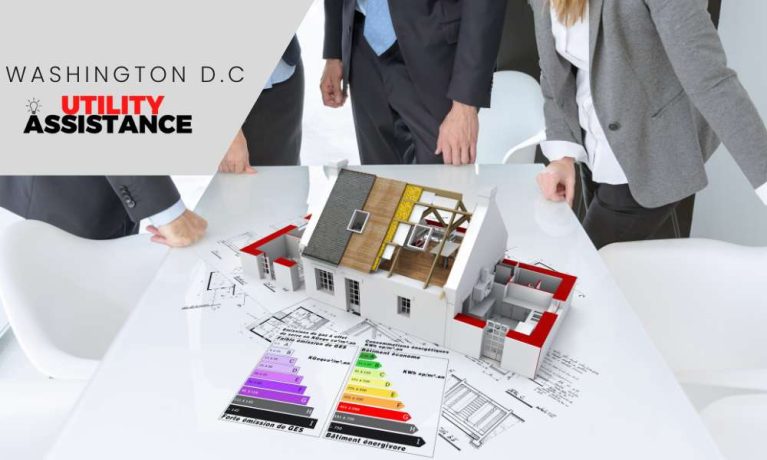
Washington D.C. Utility Assistance Program

Heating and Cooling ExpensesProgram to Assist Low-Income Residents with Heating and Cooling Expenses in the District of Columbia

The Washington D.C. utility assistance program is a federally funded program that assists low-income families and individuals in paying their home energy bills. You may be eligible for LIHEAP (Low Income Home Energy Assistance Program) to keep you warm in the winter and cool in the summer. If you follow these procedures, you can reduce your chances of encountering health and safety difficulties (such as illness, fire, or eviction).

It is possible that the District of Columbia’s LIHEAP program will be able to assist you in one or more of the following areas:

Who is eligible to take part in this program?

eligibleTo be eligible for this benefit program, you must be a resident of the District of Columbia and demonstrate that you are in need of financial assistance with your home’s energy expenses.

If a person participates in or has family members who participate in certain other benefit programs, such as SNAP, SSI, or TANF, that person automatically meets the qualifying requirements for those programs.

Furthermore, in order to qualify for this aid program, your yearly household income (before taxes) must be less than sixty percent of the state’s median income:

Annual Household Income Limits (before taxes)
Household Size* Maximum Income Level (Per Year)
1 $42,920
2 $56,126
3 $69,332
4 $82,538
5 $95,744
6 $108,950
7 $111,427
8 $113,903

*Add $2,476 for each additional person living in a home if there are more than eight persons.

applicationWhere can I find the program’s application?
If you want to submit your LIHEAP application online, please go to the District Department of the Environment’s website at DC.gov.

For further information about applications, please visit the EnergySmart DC page.

Energy Assistance Program for the District of Columbia

What is the best way for me to contact you?

Visit the DC LIHEAP page for more information. You could also visit our website which addresses frequently asked questions concerning energy assistance.

For more information on the LIHEAP assistance program, please contact:

  • LIHEAP administration is carried out by state or territorial agencies.
  • LIHEAP is a government program for Indian tribes or tribal organizations.

1-202-535-2600

District of Columbia

Mr. Richard Jackson
Senior Deputy Director
Affordability and Energy Division
Department of Energy & Environment
Government of the District of Columbia
1200 First Street, NE  5th Floor
Washington, D.C. 20002
TEL: (202) 654-6017
FAX: (202) 535-2881
E-MAIL: richard.jackson2@dc.gov
PUBLIC INQUIRIES: 202-535-2600

Washington D.C. Weatherization Assistance Program: Free Home Energy Upgrades for Low-Income Residents

Quick Answer

What is the Washington D.C. Weatherization Assistance Program?

The Washington D.C. Weatherization Assistance Program helps income-qualified households lower utility costs through free energy-saving home improvements such as insulation, air sealing, heating system repairs, and appliance upgrades. Services are provided after a home energy audit and can significantly reduce monthly energy bills.

Check Eligibility and Apply

Washington D.C. Weatherization Assistance Program Overview

Washington D.C. Weatherization Assistance Program
The Washington D.C. Weatherization Assistance Program helps residents reduce energy costs through home efficiency upgrades.

The Washington D.C. Weatherization Assistance Program is funded by the U.S. Department of Energy and the U.S. Department of Health and Human Services. The program provides free energy efficiency improvements to eligible households throughout the District of Columbia.

These improvements are designed to reduce energy waste, lower monthly utility bills, improve indoor comfort, and make homes healthier and safer. Weatherization services are especially important for seniors, families with children, and residents living on fixed incomes.

Many residents who need weatherization services may also qualify for other programs, including the Washington D.C. Utility Assistance Program, Weatherization Assistance Programs by State, and other forms of utility bill assistance.

Washington D.C. Weatherization Assistance Program Entity Map

Department of Energy and Environment
Administers weatherization services in the District.
U.S. Department of Energy
Provides federal funding for weatherization programs nationwide.
Community-Based Organizations
Process applications and coordinate services.
Local Contractors
Install approved energy-efficiency improvements.
311 Information Service
Provides referrals and application assistance.
Utility Assistance Programs
Can be combined with weatherization benefits.

How the Washington D.C. Weatherization Assistance Program Works

The program begins with a professional home energy audit. Specialists inspect your home and identify areas where energy is being wasted. They then recommend improvements that provide the greatest long-term savings.

  • Insulation for walls, floors, and attics
  • Air sealing and weather stripping
  • Duct sealing
  • Heating and cooling system repairs
  • Energy-efficient lighting upgrades
  • Energy Star appliances in certain situations

Up to 30% Lower Energy Bills

Many households experience substantial reductions in annual utility costs after weatherization improvements are completed.

Pro Tip from the Editorial Team: Apply before winter demand increases. Weatherization appointments can become limited during peak heating and cooling seasons.

Who Qualifies for the Washington D.C. Weatherization Assistance Program

To qualify, applicants must live in the District of Columbia and meet household income requirements.

  • Seniors age 60 and older may receive priority.
  • Households with disabled members may receive priority.
  • Families with children often receive additional consideration.
  • Recipients of SSI or TANF may automatically qualify.
Household Size Maximum Annual Income
1 $45,066
2 $58,932
3 $72,799
4 $86,665
5 $100,532
6 $114,398

Need Help Lowering Utility Bills?

Weatherization services are free for eligible households and can provide lasting savings.

Start Your Application

How to Apply for the Washington D.C. Weatherization Assistance Program

Home Weatherization Improvements in Washington D.C.
Weatherization improvements make homes more comfortable and energy efficient.
  1. Call 311 for program information and referrals.
  2. Submit your application online through the District’s weatherization portal.
  3. Provide proof of income and residency.
  4. Schedule a home energy audit.
  5. Receive recommended improvements at no cost if approved.

Residents seeking additional help may also explore LIHEAP assistance and other utility assistance programs near me.

Washington D.C. Weatherization Assistance Program FAQs

Do I have to repay weatherization assistance?

No. Weatherization services are grant-funded and do not require repayment.

Can renters apply?

Yes. Renters may qualify, although landlord approval may be required before improvements are completed.

What improvements are included?

Services can include insulation, air sealing, heating repairs, and other energy-saving measures.

How long does the process take?

Processing times vary depending on demand, documentation, and contractor availability.

Who can I contact for more information?

Call 311 or contact the weatherization office at (202) 299-3316.

Get Free Home Energy Upgrades Through the Washington D.C. Weatherization Assistance Program

Lower monthly utility bills

Improve home comfort

Receive free energy upgrades

Create a healthier and safer home


Apply for Assistance Today

Florida Weatherization Assistance

0

Florida’s Weatherization Assistance Program

Florida’s Weatherization Assistance Program (WAP) provides funds to community action agencies, local governments, Indian tribes, and other non-profit organizations around the country to encourage energy-saving home improvements for low-income families. A mechanism that takes demographic and weather data into account is used to determine the average grant amount for each home, which is $2,600.

What is weatherization?

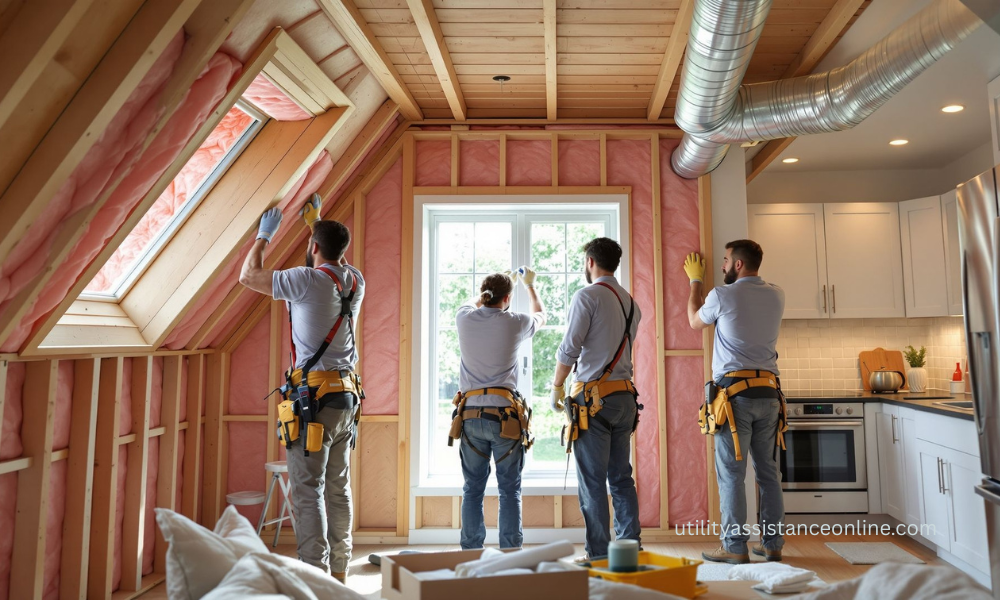
Weatherization is the method of maximizing the energy efficiency of a building. It entails sealing cracks, replacing windows, and insulating walls and ceilings. The advantages of weatherization cannot be overemphasized. It can reduce your monthly utility costs, enhance the indoor air quality of your home, and even protect you against fire.

Insulation, weather stripping, water heater covers, and reduced air infiltration are all protective measures. Such as furnaces and air conditioners, and HVAC systems can be repaired or replaced. Each residence must undergo a comprehensive energy inspection and diagnostic testing. The house’s information is entered into a computer program, and a printout is supplied. The printout is analyzed to establish the measures that, if implemented, should reduce the home’s energy use, hence lowering the customer’s monthly electricity bill.

Who is eligible to enroll in Florida’s Weatherization Assistance Program?

In order to qualify for this welfare program, you must be a Florida resident. There is the option of providing preference to:

  • Those who are over the age of sixty
  • Families that have at least one disabled member (and preferably more).
  • Families with children are eligible

Another qualifying factor is if you are currently receiving Supplemental Security Income (SSI) or Temporary Assistance to Needy Families (TANF).

To qualify, your household’s annual gross income must be less than the following amounts, before taxes are deducted:

Annual Household Income Limits (before taxes)
Household Size* Maximum Income Level (Per Year)
1 $27,180
2 $36,620
3 $46,060
4 $55,500
5 $64,940
6 $74,380
7 $83,820
8 $93,260

*Add $9,440 for each additional member in a household with more than eight people. Always double-check the instructions with the appropriate controlling agency to confirm that you are following the most recent version.

What steps do I need to take to apply for the Florida Weatherization Assistance Program?

View the Community Assistance Local Programs and Contacts List page and then contact the organization listed under the county where you currently live to find out where to apply for assistance in your region.

You can go online and print out a Client Intake Form to fill out and then turn it in to the local provider agency in your region, along with proof of your income.

Local Weatherization Office in your Community

What is the best way for me to contact you?

For more information on Florida’s Weatherization Assistance Program, please visit their website.

1-850-245-7105

Georgia

0

Georgia Weatherization Assistance Program?

The Weatherization Assistance Program (WAP) of the United States Department of Energy (DOE) provides grants to states, territories, and some Indian tribes to improve the energy efficiency of low-income people’s houses. These governments, in turn, enter into contracts with local governments and philanthropic organizations to provide weatherization services to persons in need, utilizing the most latest technologies for domestic energy efficiency improvements.

Who is eligible to enroll in Georgia’s Weatherization Assistance Program?

To participate in this assistance program and get its benefits, you must be a resident of Georgia. There is the option of providing preference to:

  • Those who are over the age of sixty
  • Families that have at least one disabled member (and preferably more).
  • houses containing children (in most states)

If you are currently receiving Supplemental Security Income (SSI) or Temporary Assistance to Needy Families (TANF), you are immediately eligible for weatherization assistance under the DOE’s regulations (TANF).

To qualify, your household’s annual gross income must be less than the following amounts, before taxes are deducted:

Annual Household Income Limits (before taxes)
Household Size* Maximum Income Level (Per Year)
1 $27,180
2 $36,620
3 $46,060
4 $55,500
5 $64,940
6 $74,380
7 $83,820
8 $93,260

*Add $9,440 for each additional member in a household with more than eight people. Always double-check the instructions with the appropriate controlling agency to confirm that you are following the most recent version.

What actions do I need to take to apply for the Georgia Weatherization Assistance Program?

To apply, please contact a weatherization service provider in your area.

Visit the Weatherization Agency Contacts page to find Georgia’s WAP administrator and any other contact information you might need.

Provider of weatherization-related services

What is the best way for me to contact you?

For more information, please visit the Georgia Weatherization Program’s website.

More information is available on the Weatherization Assistance Program website, which is managed by the US Department of Energy.

1-800-436-7442

Portland, ME Utility Assistance

0

Portland, ME Utility Assistance Program

Utility AssistanceAccording to a survey by Arcadia Power that analyzed data from 120,000 utility customers in the Northeast United States, there’ve been significant increases in past-due utility payments from 2019 to 2020. Customers from 13 states and the District of Columbia owed $8 billion in past-due power bills at the end of 2020.

Through the Portland, ME Home Energy Assistance Program (HEAP), however, qualified homeowners and renters in Portland, ME can get help paying their utility bills. People who get this benefit can expect help with utility bills. If you qualify for HEAP, you may also be able to get help with the cost of repairs that are related to energy.

To apply, you need to fill out a written application and have an interview to find out if you are eligible and how much you will get. This can take anywhere from a few weeks to over a month. Different amounts of help are given to eligible households based on their size, income, and other factors.

What is HEAP?

energy assistanceHEAP is a low-income energy assistance program that can help cover the cost of your annual home heating expenses. Your benefit amount is determined by your family size and household income. What does it entail? You may be able to get help paying for your gas bill if you:

  • Have less than a seven (7) day supply
  • Have received an eviction notice, or,
  • Cannot pay your gas bill

Portland, ME households that need help with heating costs must apply for the HEAP program. The application is free and is not considered income. You can apply even if you applied before, were denied, or think you may have income above the limits.

Eligibility

EligibilityHow much HEAP help you may be eligible for depends on the size of your household, how much money you make, how much your energy bills cost, and other factors. To get help, your household’s annual income must be at or below 150% of the Federal Poverty Level (FPL) or 60% of the State’s FPL, whichever is higher.
Even if your landlord pays for your utilities, you can still get help from Portland’s HEAP.  You may be able to get more help if you only have enough heating fuel for less than three days or if you are in danger of losing your utilities because you can’t pay your energy provider.

If you qualify for HEAP, you may also be eligible for the following programs:

If your heating system needs to be fixed or replaced, the Central Heating Improvement Program (CHIP) might be able to help you out.

If you apply for HEAP, you will also be considered for the Low Income Assistance Plan, Weatherization, and Central Heating Improvement programs. Check out our list of agencies to contact for more information.

At the time of the application, the names and Social Security numbers of everyone living in the home should be given—income statements for the last 30 days, one month, or one year. Household income can come from many places, like a job’s salary, Social Security, unemployment, a pension, or a disability check.

Proof of where you live now (for example, a rent receipt, lease, deed, or property tax bill).

Copies of your most recent or most recent utility bills.

The source of heat for your home (natural gas, heating oil, propane, wood, wood pellets, biobricks, coal, corn, kerosene, or electricity).


Need to apply? Help with home energy costs may also be available through your local General Assistance Program. Call the Maine Department of Health and Human Services (DHHS) at 1-800-442-6003, or dial 7-1-1 for Maine Relay for more information.

Weatherization and How It Can Make Your Home Energy Efficient

0

Introduction: What is Weatherization?

Weatherization is the process of protecting a building from the effects of temperature, water, and wind. This process is designed to make a building more energy efficient and environmentally friendly. This can be done by installing insulation, weather stripping, caulking, and storm windows. and doors. Insulation is the process of reducing or eliminating heat loss or gain from a building. There are many types of insulation, such as fiberglass, cellulose, and polyurethane foam.

Some insulations that are commonly used in homes include granulated glass, blown glass-fiberglass, rubber gaskets for windows and doors, batts and blankets with batt insulation on the inside (to be installed between subflooring joists), fibrous glass wool, and rigid polyurethane foam. Caulking is the process of sealing gaps in a building’s structure to prevent air from escaping or water from entering. It is typically made of an adhesive that sets up when exposed to water, such as caulk gunk, silicone, or siliconized acrylic emulsion. The process of caulking can be done by using a tube caulking applicator or caulking gun with a separate tool for application and cutting the material into strips beforehand.

Is Weatherization Worth the Cost?

The cost of weatherization is worth the investment for a number of reasons. First, it is a cost-effective solution that can reduce energy bills. Secondly, it can increase the value of your home by up to 20%. Thirdly, it is an environmentally-friendly solution. Lastly, it will help you save money on tax deductions. The introduction should be about how weatherization can be worth the cost for a number of reasons and what those reasons are.

The introduction should also be about how the cost of weatherization can be worth the investment for a number of reasons. It is an environmentally-friendly solution that can reduce energy bills, increase the value of your home, and help you save money on tax deductions.

A section entitled “How Weatherization Works” should contain more detailed information about how it works as well as its benefits and risks. This section could also include information on what to expect during installation.

How to Get A House’s Energy Audit In Order To Get Started With The Process Of Weatherizing Your Home

The first step in the process of weatherizing your home is to get a home’s energy audit. This will allow you to identify where your home’s leaks are so that you can fix them and insulate them properly. This article will show you how to get a house’s energy audit in order to start the process of weatherizing your home.

  1. Determine the number of hours you spend in your home during the week.
  2. Take that number and divide it by 30. This will tell you how many days a year you spend in your home.
  3. Multiply that number by your yearly electricity bill. This is how much money it would cost to insulate your home properly, and what type of financial aid programs are available to help offset costs.

Conclusion: Why Should You Start Weatherizing Your Home Today?

Home weatherization is a process that insulates the home and makes it more energy efficient. It also reduces the risk of mold, mildew, and other problems associated with moisture. The benefits of home weatherization are numerous and include:

  • Lower utility bills -Reduced risk of mold, mildew, and other problems associated with moisture
  • Improved indoor air quality -Increased comfort -Decreased wear and tear on appliances
  • Better safety for children or pets
  • More comfortable, lower utility bills, improved indoor air quality
  • Decreased wear and tear on appliances.

Need funds for weatherization? As of 2011, the federal government now provides weatherization assistance programs. The goal of these programs is to reduce energy use for low-income households by providing free home improvements.

5 Smart Ways to Make Your Old Home Energy Efficient: Upgrades for 2026

0
 

Quick Answer

How Do You Make Your Old Home Energy Efficient?

To make your old home energy efficient, start with a professional energy audit, then prioritize five high-impact upgrades: add insulation to walls and attic, replace aging appliances with ENERGY STAR-certified models, switch all bulbs to LEDs, seal air leaks around windows, doors, and the foundation, and use natural daylight to reduce daytime electricity use. Together, these upgrades can cut a typical homeowner’s annual utility costs by 25% or more without compromising the home’s character.

See How to Make Your Old Home Energy Efficient


Why It Matters to Make Your Old Home Energy Efficient in 2026

While there has been a flurry of new construction in most major cities in the U.S., studies show a lot of existing and first-time home buyers are gravitating toward older homes. This is mainly due to cost. Instead of buying an expensive newly built home, why not get an even larger, older, well-maintained home for much less? As a homeowner who chose character and value over a builder-grade box, you have one trade-off to manage: older homes were rarely built with energy efficiency in mind.

Old homes can absolutely be revamped to lower utility bills and cut your carbon footprint without losing the architectural details that drew you in. The most efficient path is to start with an energy audit, which will identify exactly where energy is being wasted in your specific home. Air sealing any gaps or leaks in your home’s exterior can prevent heated or cooled air from escaping, reducing energy consumption. Ensuring your heating and cooling systems are operating efficiently, and properly insulating your home, can also have a significant impact on lowering your utility bills.

If you live in a historic home, it is important to approach increasing energy efficiency thoughtfully to preserve the unique character of the property. This may involve utilizing materials and methods that are compatible with the historic nature of the home, such as insulating walls from the inside rather than adding new layers on the exterior. By making informed decisions about weatherization in a way that respects the history of your home, you can enjoy lower utility bills while maintaining its charm and integrity for years to come.


Key Entities Behind a Successful Old Home Energy Efficiency Upgrade

ENERGY STAR

ENERGY STAR is the EPA-administered certification that flags the most efficient appliances, lighting, and building products available on the U.S. market.

Energy Audit

A blower door test and infrared scan that pinpoint exactly where your home is losing heated and cooled air. The first step in any serious efficiency project.

Insulation R-Value

A measure of insulation’s resistance to heat flow. Higher R-values mean better insulation performance, which is critical in older homes with thin or aged wall cavities.

HERS Index

The industry-standard rating system that scores how energy-efficient a home is compared to a reference home. Lower scores mean better efficiency.

Weatherization

A package of upgrades (sealing, insulating, and tuning HVAC) that reduces heat loss in older homes. Income-qualified households can access free weatherization through state programs.

Tax Credits

The federal Energy Efficient Home Improvement Tax Credit covers up to 30% of qualifying upgrades to insulation, windows, doors, and high-efficiency systems.


5 Smart Ways to Make Your Old Home Energy Efficient

Energy efficiency has become a crucial factor in maintaining a sustainable lifestyle. With the rise of environmental concerns and the increasing costs of energy, it has become more important than ever to make your home as energy-efficient as possible. Old homes were not built with efficiency in mind, but the good news is that you can dramatically improve performance without breaking the bank. Below are five effective upgrades, ordered by typical impact and ROI, that transform an old home into an energy-efficient one.


1. Insulate for better temperature control
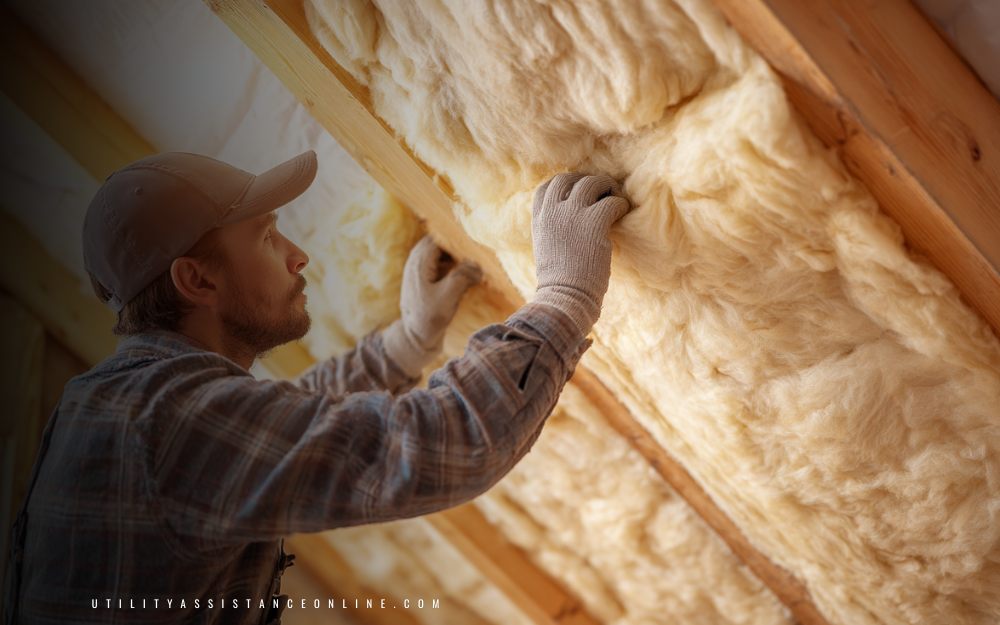
Insulating an old home for energy efficiency
Insulation is the highest-ROI upgrade for most older homes.

One of the most effective ways to improve temperature control in an older home is by properly insulating it. Insulation creates a barrier between the interior and exterior of the house, preventing unwanted heat transfer. This means that in the summer, cool air from your air conditioning system stays inside, while in the winter, the warmth generated by your heating system is retained.

By insulating the walls, floors, and attic of your home, you can significantly reduce energy waste and make your living spaces more comfortable year-round. Proper insulation also helps reduce noise transmission, providing a quieter, more peaceful environment inside your home. As a homeowner of an older property, prioritize the attic first, since hot air rises and that is where most homes lose the highest percentage of conditioned air.


2. Invest in energy-efficient appliances
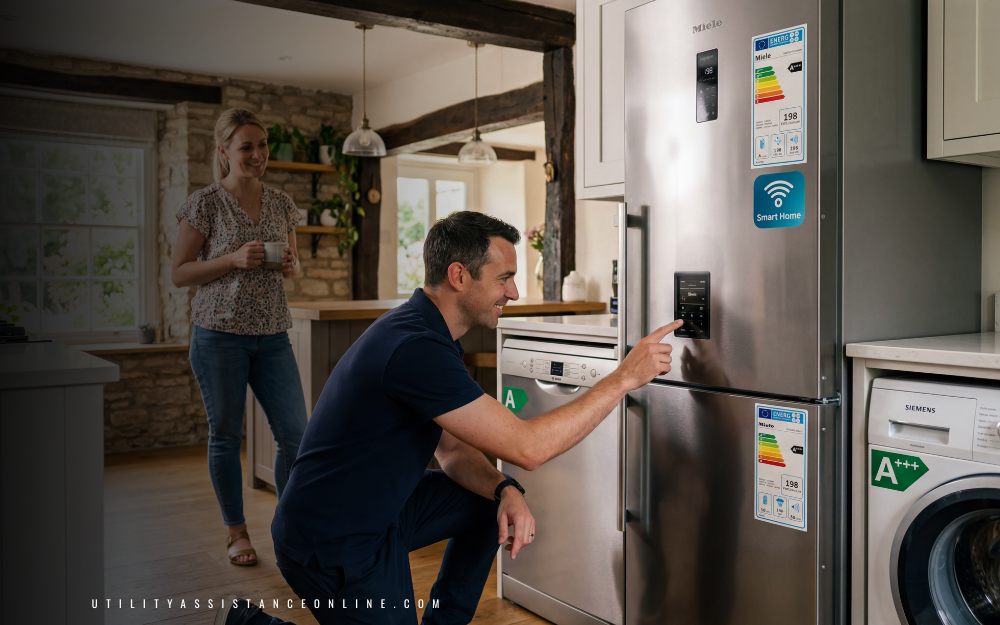
Energy efficient appliances in a renovated home
ENERGY STAR-certified appliances pay back their cost in lower bills.

Investing in energy-efficient appliances is another crucial step toward making an old home more energy-efficient. Older appliances tend to be far less energy-efficient, consuming more electricity or gas than newer models. By upgrading to ENERGY STAR-rated appliances, you can significantly reduce your home’s energy consumption and lower your utility bills. Look for the ENERGY STAR label, which means the appliance has been tested to consume less energy without compromising performance.

For example, replacing an old refrigerator with an energy-efficient model can save you up to 15% on your refrigeration energy. Similarly, upgrading to energy-efficient washing machines, dishwashers, and HVAC systems can lead to substantial energy savings over time. As a smart homeowner, time these purchases around manufacturer rebates and federal tax credits to amplify the savings on day one.


3. Upgrade to LED lighting
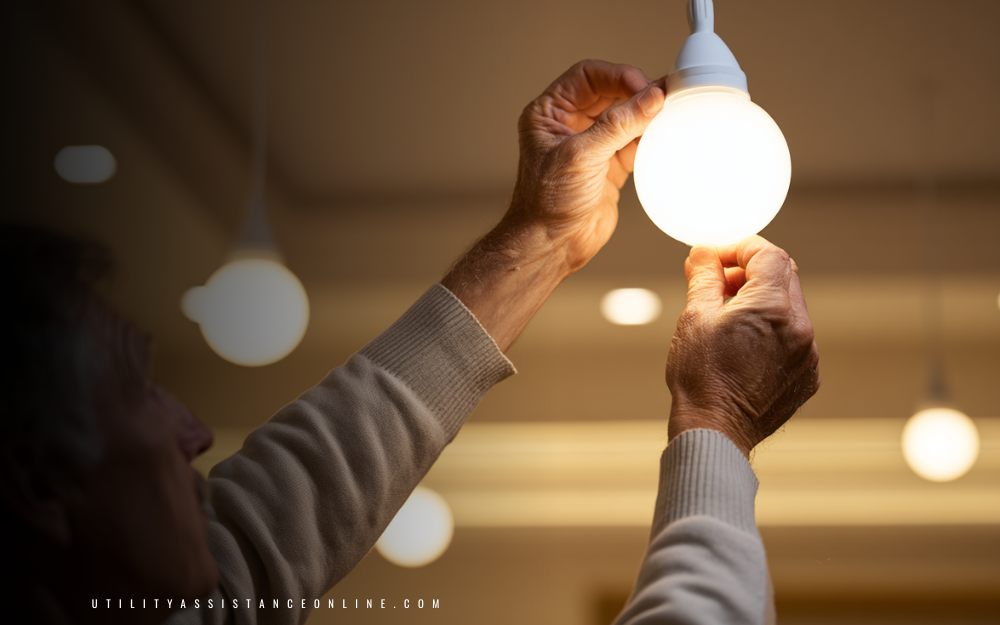
Switching to LED lighting in older homes
LEDs use up to 90% less energy than incandescent bulbs.

Another effective way to make an old home more energy efficient is by upgrading to LED lighting. According to the U.S. Department of Energy, residential LEDs (especially ENERGY STAR-rated products) use at least 75% less energy and last up to 25 times longer than incandescent lighting. Some ENERGY STAR-certified LEDs can use as much as 90% less energy than the bulb they replace.

Beyond efficiency, LEDs cut down on bulb replacements, saving you both time and money. They also produce far less heat, which keeps your home cooler during the summer months and reduces strain on your air conditioning system. With styles available for every fixture in an older home, including period-appropriate filament-style bulbs, upgrading to LEDs preserves character while slashing your electricity use.


$225
Annual LED Savings

According to the U.S. Department of Energy, the average American household saves about $225 in energy costs per year simply by switching to LED lighting throughout the home.


4. Seal air leaks and cracks

Sealing air leaks in an older home
Sealing leaks is the highest dollar-per-effort efficiency move you can make.

One key aspect of making an old home more energy efficient is addressing air leaks and cracks throughout the house. These gaps not only allow warm air to escape during the winter and hot air to enter during the summer, but they also create drafts that make your home less comfortable.

To combat this, identify and seal any air leaks and cracks in your home’s walls, windows, doors, and foundation. This can be done using weatherstripping, caulking, and expanding foam insulation. As a hands-on homeowner, this is the upgrade most likely to deliver same-day comfort improvements. Even an afternoon with a caulk gun can noticeably reduce drafts in a 100-year-old house.


5. Use natural lighting whenever possible
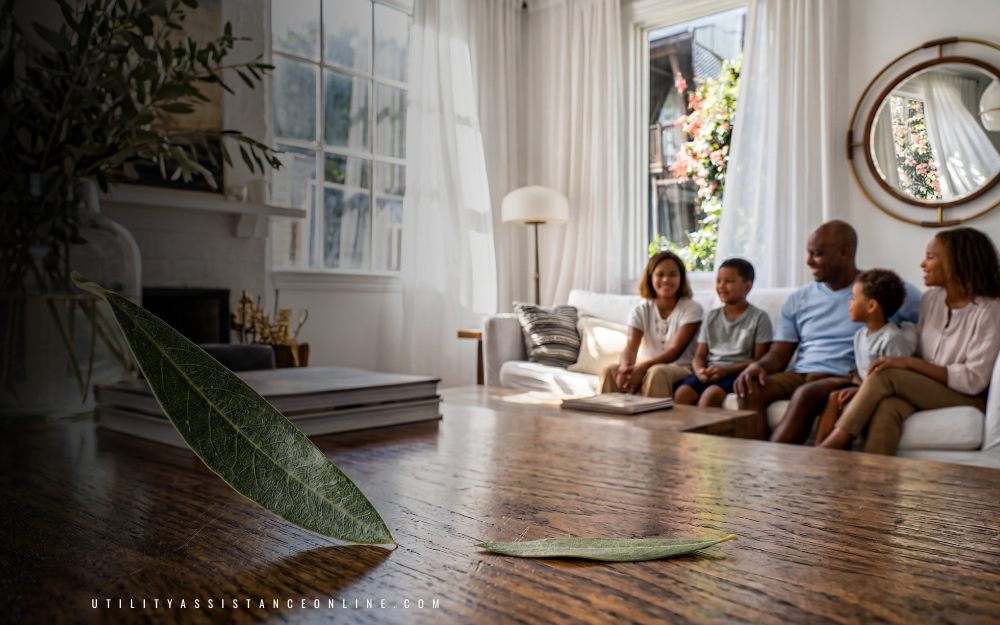
Using natural light in an older home
Older homes often have generous windows. Use them.

In addition to sealing air leaks and cracks, another effective way to make an old home more energy efficient is by utilizing natural lighting whenever possible. Instead of relying solely on artificial lighting, take advantage of the natural sunlight that streams through your windows. Older homes often have larger or more generous window placement than modern construction, which is a built-in efficiency asset most homeowners under-use.

Natural lighting provides a warm, inviting ambiance and reduces the need for electric lights during the day, resulting in lower energy consumption and a better HERS score. Practical ways to maximize natural lighting include keeping curtains and blinds open during daylight hours, installing skylights or sun tunnels in dark areas, painting walls and ceilings in light colors, placing mirrors strategically to bounce light deeper into the home, pruning trees and shrubs blocking key windows, and choosing sheer curtains over heavy drapes in spaces where you want full daylight access.


Author’s Pro Tip

Sequence your upgrades for maximum payback. Start with sealing and insulation, then upgrade your appliances, then handle lighting. Doing it in this order means your new HVAC system or refrigerator will be working in an envelope that is already efficient, so the appliance is correctly sized for the home you actually have, not the leaky one you used to have. Sequencing the wrong way often means oversizing equipment and losing 10% to 20% of your potential savings.

— Editorial Team, UtilityAssistanceOnline


Ready to Lower Your Old Home’s Bills for Good?

Income-qualified homeowners can get many of these upgrades done for free through state weatherization programs. See if you qualify in under two minutes.

See How to Make Your Old Home Energy Efficient


Comparing the 5 Upgrades to Make Your Old Home Energy Efficient

Upgrade Effort Typical Annual Savings
Insulation (attic + walls) High (often professional) 10-20% of total energy bill
ENERGY STAR appliances Medium (one-time purchase) $50-$200 per major appliance
LED lighting Low (DIY) ~$225 per home (DOE estimate)
Air sealing & weatherstripping Low to Medium (DIY-friendly) 10-15% of heating & cooling costs
Natural lighting habits Very Low (free) Modest, but stacks with LEDs


Frequently Asked Questions: How to Make Your Old Home Energy Efficient

What is the single most cost-effective way to make an old home energy efficient?

Air sealing and weatherstripping is consistently the highest dollar-per-effort upgrade for older homes. A weekend’s worth of caulk, foam, and door sweeps typically costs under $100 and can cut 10% to 15% off your heating and cooling bill year over year. Insulation is a close second but usually requires a larger upfront investment.

Can I make a historic home energy efficient without losing its character?

Yes. The key is choosing methods compatible with the historic structure. Insulate walls from the inside instead of altering the exterior, use storm windows rather than replacing original windows where possible, and select period-appropriate LED bulbs for vintage fixtures. Many states offer historic-property weatherization specialists who understand these constraints.

How much can I really save by making my old home energy efficient?

A typical older home that completes all five upgrades described above sees annual energy bill reductions of 25% to 40%. The exact figure depends on your climate zone, home size, and how leaky the home was at baseline. Homes built before 1980 usually see the biggest improvements because their starting envelope is the most inefficient.

Are there free programs that help me make my old home energy efficient?

Yes. The federal Weatherization Assistance Program (WAP), administered by state energy offices and local Community Action Agencies, provides free weatherization upgrades to income-qualified homeowners and renters. Eligible upgrades commonly include insulation, air sealing, and HVAC tune-ups. Many states also offer utility-funded rebate programs for ENERGY STAR appliances.

Should I do an energy audit before I start any upgrades?

Almost always yes. A professional energy audit costs $200 to $600 in most markets and uses a blower door test plus thermal imaging to pinpoint exactly where your old home is losing energy. Skipping the audit is the most common mistake homeowners make. It often leads to spending money on the wrong upgrade first.

Do federal tax credits cover old home energy upgrades?

Yes. The federal Energy Efficient Home Improvement Tax Credit covers up to 30% of qualifying costs, including insulation, air sealing, exterior doors, ENERGY STAR windows, and high-efficiency HVAC equipment. There are annual caps on the credit, so phasing your upgrades across two tax years can sometimes maximize benefit.


Make Your Old Home Energy Efficient on Any Budget

  • Free weatherization for income-qualified homeowners
  • Federal Energy Efficient Home Improvement Tax Credit
  • Utility rebates for ENERGY STAR appliances
  • Free 2-minute eligibility check

Find My Upgrade Path

Trusted by old-home owners nationwide

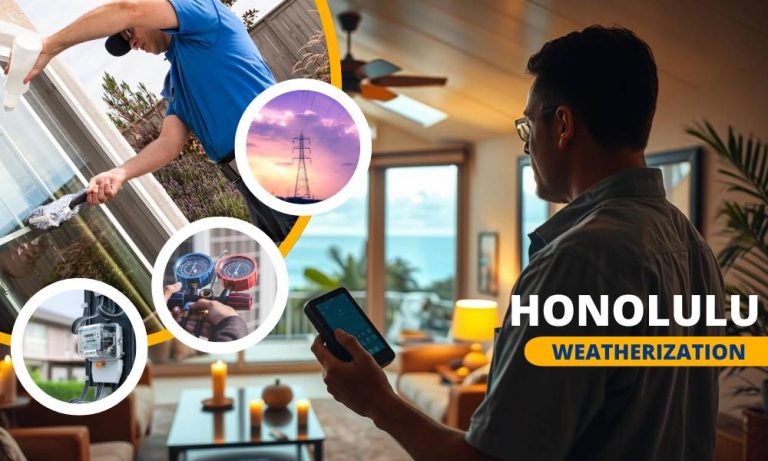
Honolulu, Hawaii Weatherization Assistance Program: Making Homes Energy-Efficient and Affordable

0

What is Weatherization and Why is it Important?

Over the past five years, utility costs have steadily increased across the United States, with some areas experiencing rate hikes of up to 6% annually. This escalation has placed financial stress on low- to middle-income households and individuals living on fixed incomes. In Honolulu, Hawaii, where energy prices are among the highest in the nation, the burden is even more pronounced.

Weatherization offers a sustainable and effective solution to these rising costs. By improving the energy efficiency of homes through targeted upgrades, families can significantly reduce their monthly utility expenses while enhancing comfort and living conditions. More importantly, weatherization plays a vital role in environmental conservation by lowering the carbon footprint associated with energy use.


What is Weatherization?

Weatherization is the process of making a home more energy-efficient by enhancing its thermal performance and reducing unnecessary energy waste. This involves:

  • Sealing air leaks around doors, windows, and ductwork

  • Improving insulation in walls, attics, and floors

  • Upgrading HVAC systems and other energy-intensive appliances

  • Optimizing ventilation to maintain air quality while reducing energy loss

In warm climates like Honolulu’s, the focus is often on reducing cooling loads due to the year-round need for air conditioning. As temperatures rise and energy demands grow, efficient weatherization ensures homes remain cool without inflating utility bills.

According to the U.S. Department of Energy, weatherized homes can save an average of $372 annually on energy costs. These savings, combined with increased comfort and reduced environmental impact, make weatherization an essential step for Hawaii homeowners and renters.


The Cost of Weatherization

Although the long-term savings from weatherization are clear, the initial costs of these home upgrades can vary depending on the property’s size, age, and existing infrastructure. Improvements may include:

  • Professional energy audits

  • Installation of insulation

  • HVAC upgrades

  • Window and door replacement

These upgrades can range from a few hundred to several thousand dollars, depending on scope. For many families, especially those living paycheck to paycheck, such expenses can be out of reach.

Fortunately, financial support is available. Programs like the Weatherization Assistance Program (WAP) and local initiatives provide grants or low-interest loans to cover some or all of these costs, making energy efficiency attainable for households that need it most.


Cost of Utilities in Honolulu

While Honolulu offers a stunning tropical lifestyle, it comes with high utility costs that surpass the U.S. average. According to Hawai?i Energy, Hawaii residents pay approximately 34 cents per kilowatt-hour (kWh)—more than double the national average.

Contributing factors include:

  • Reliance on imported fossil fuels, which increases electricity generation costs

  • Continuous demand for cooling, especially in older, poorly insulated buildings

  • Geographic isolation, which limits access to cost-efficient energy sources

These realities make energy efficiency not just a financial strategy but a necessity for many residents. By weatherizing their homes, Honolulu residents can drastically reduce cooling expenses and better manage monthly energy costs.


How to Apply for Weatherization Assistance in Honolulu

Navigating the application process for weatherization assistance in Honolulu may seem complex, but the right guidance can simplify the experience. Multiple local and state agencies offer support for eligible residents.

Key Steps to Apply

  1. Determine Eligibility
    Most programs are income-based. For instance, applicants must typically earn below 200% of the federal poverty level. Households with elderly, disabled, or young children may receive priority.

  2. Prepare Documentation
    You’ll need proof of income, residency, recent utility bills, and identification documents for all household members.

  3. Schedule an Energy Audit
    A professional audit is conducted to assess current energy inefficiencies and recommend upgrades.

  4. Approval and Upgrades
    Once approved, certified contractors complete the improvements—ranging from insulation to AC unit replacement—at no or reduced cost to the homeowner.


Where to Apply in Honolulu

Here are the key programs and agencies offering weatherization assistance in the Honolulu area:

  • HCAP Leahi Office – Honolulu Community Action Program, Inc.
    The Leahi District Service Center helps residents apply for the federally funded Weatherization Assistance Program and other energy-saving services.

  • Hawaii State Energy Office – Offers clean energy initiatives and information on energy efficiency across Hawaii.

  • City and County of Honolulu Solar Loan Program – Provides loans for solar installations, helping residents reduce reliance on conventional energy.

  • Rehabilitation Loan Program – Supports low- and moderate-income households in making essential home improvements, including energy upgrades.

  • Maui Solar Water Heating Financing – Although based in Maui, this program is a good example of regional clean energy financing.

  • Hawai?i Energy’s Clean Energy Allies – Connects residents with approved contractors for energy-saving projects and rebates.


Next Steps: How Honolulu Residents Can Start Saving

If you’re a homeowner or renter in Honolulu looking to reduce your energy costs, here’s how to get started:

  1. Check Your Income Eligibility
    Visit HCAP’s website to determine if you qualify for free or subsidized services.

  2. Collect Your Documents
    Prepare proof of residency, household income, and recent utility statements.

  3. Contact the Leahi District Service Center
    Schedule an appointment to begin the application process for weatherization services.

  4. Explore Clean Energy Loans
    If you don’t qualify for free programs, look into the Solar Loan Program for affordable financing.

  5. Choose a Certified Contractor
    Use Hawai?i Energy’s Clean Energy Allies directory to find trusted professionals in your area.

  6. Enjoy Long-Term Savings
    Once upgrades are complete, track your monthly energy bills and note the difference. Many residents report up to 30% in savings.

Los Angeles Weatherization Assistance

0

Los Angeles Weatherization Assistance Program

The Weatherization Assistance Program in Los Angeles is operated by the California Department of Community Services & Development. It partners with local energy service providers around the state to install weatherization and energy efficiency measures for low-income households and renters who qualify under the Weatherization Assistance Program of the Department of Energy (WAP). Energy efficiency is the utilization of less energy, which can minimize utility expenses. Among the advantages of energy efficiency and weatherization are the following:

Saving energy for lower bills

Environmental conservation

The Los Angeles Weatherization Assistance Program (WAP) has been serving low-income Angelanos for many years as the major program offering such energy conservation services. By increasing the energy efficiency of their homes, the Weatherization Assistance Program helps low-income families save money on their heating and cooling bills while still being able to provide for their basic needs like food and shelter. The program gives preference to low-income households that include children, the elderly, and the disabled.

Who qualifies?

This assistance program is only open to California residents. The following are some options that could be prioritized:

  • Individuals aged 60 and up
  • Families where one or more members have a disability
  • Families with children
  • According to Department of Energy (DOE) regulations, receiving either SSI or TANF immediately qualifies you for weatherization aid (TANF).

The annual pretax income of the household must be less than 60% of the state median income in order to qualify for this assistance program.

Annual Household Income Limits (before taxes)

Household Size* Maximum Income Level (Per Year)
1 $30,777
2 $40,247
3 $49,717
4 $59,187
5 $68,657
6 $78,127
7 $79,902
8 $81,678


Los Angeles Weatherization Assistance Program

What is the Los Angeles Low-Income Weatherization Program (LIWP)?

The California Weatherization Assistance Program minimizes households’ utility costs by improving energy efficiency. The Low-Income Weatherization Program (LIWP) gives low-income households free solar photovoltaic (PV) systems and other ways to save energy.

LIWP, which is operated by the California Department of Community Services and Development (CSD), is meant to reduce greenhouse gas emissions (GHG) by saving energy and making clean, renewable energy. The program also helps low-income households by lowering their energy costs, which makes them more financially stable. LIWP helps pay for renovations and solar panels that make low-income single-family homes and affordable multi-family homes more energy efficient.

LIWP also reduces the effects of climate change on vulnerable communities by making it cheaper for low-income households to keep their homes cool and comfortable by installing energy-efficient air conditioning or better insulation. This helps protect the health of children and the elderly from the bad effects of higher temperatures.

As it is, many low-income Californians are already struggling to make ends meet and spending more of their income on housing than ever before. The LIWP can help by lowering utility bills, which will give them more money to pay for other necessities. It is the answer to making both old and new homes more energy efficient.

LIWP is the only program in California of its kind that helps low-to-mind-income customers to get free solar PV and energy efficiency upgrades for their homes. By doing this, the program is a key part of making sure that all Californians can take advantage of the state’s climate investments and services.

Part of the California Climate Investments

LIWP is a part of California Climate Investments, which is a statewide plan to use billions of dollars from the Cap-and-Trade system to reduce greenhouse gas emissions, improve public health and the environment, and boost the economy, with a focus on low-income and disadvantaged neighborhoods. The California Climate Investments program helps pay for projects like affordable housing, utility assistance, renewable energy, public transportation, zero-emission cars, restoring the environment, making agriculture more sustainable, recycling, and a lot more. More than a third of these funds go to neighborhoods with low or no income.