As winter approaches, you might not be thinking about federal budgetary decisions impacting your energy bill. Yet, a closer look reveals a significant connection. Federal budget cuts mean energy assistance programs will face reductions, leaving many households to shoulder the burden. Wondering how this may affect you? Let’s break it down in straightforward terms.
Why Federal Budget Cuts Matter to Your Energy Bill

Budget cuts often seem disconnected from daily lives, but they can directly influence household economics, particularly energy costs. A reduction in federal funding can lead to less support for energy efficiency programs, making it harder to keep energy expenses in check.
- Decreased Funding for Assistance Programs: Programs like the Low Income Home Energy Assistance Program (LIHEAP) provide essential support to families in need. With budget cuts, the reach and effectiveness of these programs are hindered.
- Reduced Investments in Renewable Energy: Less federal support means fewer resources are allocated to clean and renewable energy projects, which can lead to higher dependence on conventional and more expensive energy sources.
- Impact on Energy Efficiency Initiatives: Federal budget constraints can reduce funding for energy efficiency retrofits and home weatherization projects that reduce heating costs.
According to the U.S. Department of Energy, energy efficiency improvements in homes can reduce energy bills by up to 30%. Thus, a halt in these initiatives could significantly affect household budgets.
Expert Insight
Jessica Caldwell, an energy economist, notes, “Federal policies play a pivotal role in stabilizing energy costs for the average consumer. When these aids are cut, the shockwaves are felt throughout the economy, particularly by middle and lower-income households.”
Understanding the Broader Effects
Federal budget cuts don’t solely affect direct assistance programs; they also ripple through the energy sector’s investment landscape. Reduced federal support might lead to economic sluggishness within the energy industry.
- Stalling Innovation: The lack of federal funding can slow the development of new, energy-efficient technologies that could potentially reduce costs.
- Increased Operational Costs: Energy providers may face higher operating expenses due to reduced subsidies, which could be passed onto consumers as increased bills.
- Dependency on Fossil Fuels: With fewer investments in renewable energy sources, dependency on fossil fuels might increase, leading to higher energy prices due to fluctuating oil markets.
A report from the International Energy Agency underscores the importance of federal funding for continued advancements in energy efficiency and renewable technologies.
What You Can Do to Mitigate the Impact
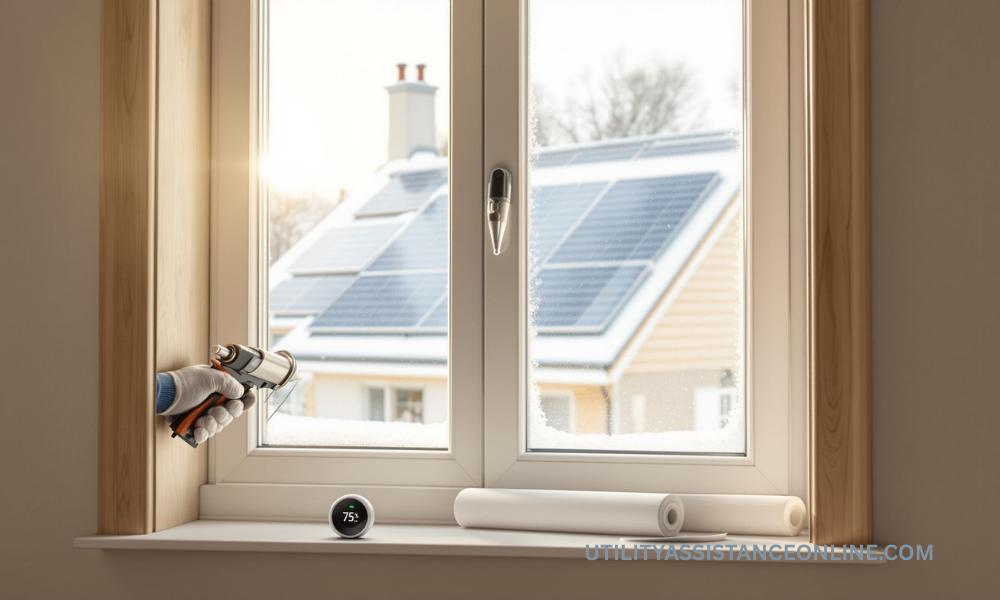
In light of these potential financial strains, taking proactive steps to manage your home energy use is crucial. Implement these strategies to mitigate the impact of possible budget cuts on your energy expenditure this winter.
- Enhance Energy Efficiency: Seal windows and doors, upgrade to energy-efficient appliances, and ensure your home insulation is effective to reduce energy loss.
- Utilize Smart Thermostats: These devices optimize your home heating, ensuring you only use energy when necessary and maintain comfort efficiently.
- Consider Alternative Energy Options: Explore solar panels or wind energy solutions for your home as a way to decrease reliance on grid electricity.
- Participate in Local Energy Programs: Many communities offer rebates or incentives for energy-saving home improvements.
Steps Forward
You now have a clearer understanding of how federal budget decisions may affect your energy bills. To stay ahead, regularly review available energy assistance programs and tailor your home energy strategy accordingly.
Next Steps:
Foster energy resilience by continuously exploring new initiatives and keeping an eye on federal funding changes. Empower yourself with knowledge and proactive engagement for a sustainable energy future.
Ready to Take Action?
Determined to lower your energy costs and contribute to a sustainable future? Learn more with our detailed guide on home energy efficiency strategies.