Home Blog Page 6

Maine Utility Bill Forgiveness: How to Apply, Who Qualifies, and Where to Get Help

Maine residents struggling to pay utility bills may qualify for forgiveness programs designed to keep heat, electricity, and water services active. This guide walks you through every step of applying for utility bill forgiveness in Maine — including eligibility criteria, phone numbers to call, and online applications to fill out. Whether you’re facing an unexpected crisis or ongoing financial hardship, this resource has the information you need.

Understanding Utility Bill Forgiveness in Maine

What is Utility Bill Forgiveness?

Utility bill forgiveness programs are designed to assist low-income households in managing their energy expenses. These programs may offer direct financial assistance, payment plans, or arrearage forgiveness to prevent service disconnections. It’s important to understand the differences between the types of support available:

  • Forgiveness: Eliminates part or all of the outstanding utility debt.
  • Deferral: Postpones payment obligations to a later date.
  • Assistance: Provides financial support to help pay current or past-due bills.

Why It’s Important in Maine

Maine’s cold winters and rural geography make access to consistent energy services essential:

  • High Heating Costs: Over 25% of Maine households rely on fuel oil for heating, creating a significant financial burden during winter months (U.S. Energy Information Administration).
  • Limited Energy Alternatives: Many rural residents lack access to public transit or natural gas lines, leading to reliance on electricity or fuel oil.

Eligibility Requirements

Income Thresholds

Most programs use household income to determine eligibility. For example:

  • LIHEAP: For the 2024–2025 season, a four-person household must have a gross annual income at or below $59,348 to qualify. Details at MaineHousing LIHEAP.

Utility Types Covered

Different assistance programs cover different types of utilities:

  • Electricity: Covered under the Low-Income Assistance Program (LIAP), which provides bill credits via the Maine Public Utilities Commission (MPUC).
  • Heating: Includes oil, propane, wood, and natural gas, often assisted through LIHEAP.
  • Water and Sewer: Some Community Action Agencies (CAAs) offer support for municipal water and sewer bills. Contact your local CAA.

Special Considerations

Households with the following attributes may be prioritized:

  • Elderly Residents: Age 60 and older may be eligible for enhanced aid.
  • Young Children: Households with children under age six often receive priority assistance.
  • Disability Status: Applicants with disabilities may qualify for additional programs.

How to Apply for Utility Bill Forgiveness

Step-by-Step Application Process

Follow these steps to apply for assistance:

  1. Gather Required Documents: This includes proof of income, government-issued ID, Social Security numbers, and recent utility bills.
  2. Check Eligibility: Use MaineHousing’s tools or speak to a local Community Action Agency.
  3. Submit Application: You can apply online via MaineHousing.org or in person at your CAA.

Online Application Portals

  • HEAP Online Portal: Accessible through MaineHousing for heating assistance.

Important Organizations

Government Agencies

Non-Profit and Local Services

Programs Offering Bill Forgiveness or Assistance

LIHEAP (Low Income Home Energy Assistance Program)

  • How It Works: Offers help with heating fuel, emergency deliveries, and weather-related repairs.
  • Application Period: Typically open until March 28 each year.

MaineHousing Emergency Assistance

  • COVID-Related Relief: Short-term emergency funds offered during public health emergencies.
  • One-Time Grants: Available for immediate disconnection risks.

CMP & Versant Power Forgiveness Programs

Key Insights and Research

Quotes from Experts and Sources

“No Mainer should have to choose between heating and eating.” — MaineHousing spokesperson

“Utility forgiveness programs are a lifeline, especially during winter months.” — Local energy advocate

Frequently Asked Questions (FAQs)

How long does it take to get approved? It typically takes 2–4 weeks depending on the program and your documentation status.

Can I apply if I’ve already had a disconnection notice? Yes. Many programs prioritize urgent situations like disconnection notices.

What if I rent and utilities are included in my rent? You may still qualify, especially if your rent is subsidized or if heating is separate from rent.

Real-World Example: Case Study

The Johnson Family in Bangor
After experiencing job loss due to illness, the Johnsons applied through the online HEAP portal. With LIHEAP and CMP support, they received $1,200 in aid — keeping the lights and heat on during a crucial time.

Next Steps

  1. Assess Eligibility: Use official guidelines and consult your local CAA.
  2. Gather Documentation: Have your income proof, IDs, and bills ready.
  3. Apply Promptly: Deadlines can vary — don’t delay.
  4. Follow Up: Maintain communication with agencies for updates or additional steps.
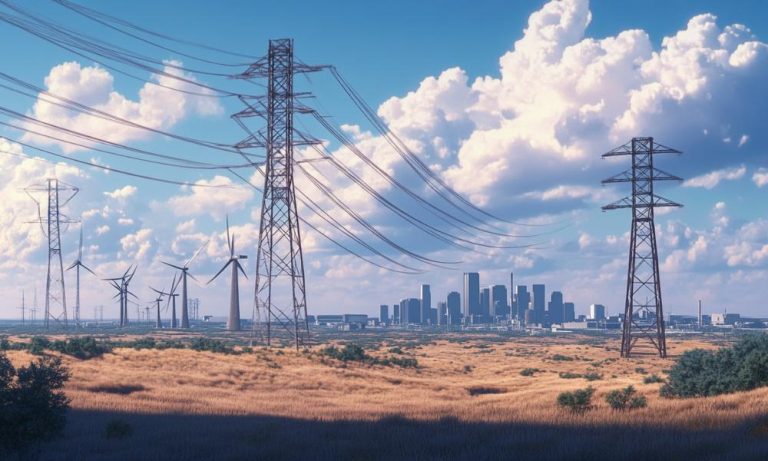
Texas Energy Security: Insights from Chairman Drew Darby

Why Energy Security Matters for Texas

In a state as vast and economically vital as Texas, energy security isn’t just a policy goal—it’s a public necessity. Texas leads the nation in energy production, yet remains vulnerable to extreme weather events, outdated infrastructure, and market volatility.

For Chairman Drew Darby, a West Texas Republican and the long-serving Chair of the House Energy Resources Committee, the road to energy security requires pragmatic leadership, a resilient grid, and a sustainable energy mix.

Darby’s perspective is rooted in over 50 years of experience in oil and gas law and public service. His career spans multiple energy crises that revealed both the strengths and weaknesses of the Lone Star State’s energy framework. From the oil embargo in the 1970s to Winter Storm Uri in 2021, each event underscored the critical need for Texas energy security—an approach that blends energy resilience with long-term reliability.

Texas energy executive on a busy call

“The grid must be built not for yesterday’s demand, but tomorrow’s opportunity.” — Chairman Drew Darby

Timeline of Texas Energy Crises and Reforms

  • 1973: Oil Embargo—exposed U.S. overdependence on foreign oil.

  • 1989: Blackouts during a severe freeze highlighted winterization issues.

  • 2003: Texas completed its deregulation and shift to a competitive ERCOT market.

  • 2011: Super Bowl weekend cold front caused rolling blackouts across the state.

  • 2021: Winter Storm Uri left millions without power, demanding urgent grid reform.

  • 2023: ERCOT introduces plans for grid expansion and flexible load management.

Each crisis has shaped Chairman Darby’s belief that energy independence must come with operational resilience and clear governance.


Chairman Darby’s All-of-the-Above Approach to Texas Energy

Embracing a Sustainable Energy Mix

Chairman Darby advocates for an “all-of-the-above” energy policy that treats each source as a vital team player. He emphasizes that no single form of energy can shoulder the state’s massive power demand alone. Instead, oil, gas, wind, solar, geothermal, nuclear, and battery storage must work in tandem.

“If you want to win, you need a full team, not just one kind of player on the field.” — Chairman Drew Darby

Texas already leads the nation in wind energy and ranks high in solar growth, but Darby also sees a future for traditional resources and emerging tech. The goal is a balanced, sustainable energy mix that strengthens Texas energy security while meeting diverse economic and environmental needs.

Real-World Example: Storage Projects in Rural Texas

Near San Angelo, Darby’s hometown, a cutting-edge battery storage project charges and discharges up to six times daily. This facility helps balance grid loads, supports intermittent renewable energy, and provides tax revenue for schools and income for local landowners. It’s a prime example of rural energy infrastructure delivering both resilience and local prosperity.


Transmission Reform for Grid Reliability in Texas

ERCOT Reform Through House Bill 3069

ERCOT congestion cost Texans over $2 billion in 2023 alone, a stark reminder of the limits of an outdated transmission system. Chairman Darby’s House Bill 3069 streamlines the approval process for new transmission lines to alleviate congestion and increase grid reliability. This effort is part of a larger push for ERCOT reform aimed at modernizing Texas’s electric grid.

Flexible Load Management: House Bill 3970 and Senate Bill 6

Complementing transmission upgrades, Darby also supports policies that incentivize flexible energy loads. House Bill 3970 and Senate Bill 6 create a regulatory framework to manage data centers, electric vehicle fleets, and large industrial consumers—critical steps in achieving energy resilience. These bills ensure the Texas grid can quickly respond to real-time demands without overbuilding costly capacity.


Nuclear Energy & Water Security: The SMR Solution

Small Modular Reactors (SMRs) for Desalination and Drought Resilience

Diagram of a Small modular reactor

Darby sees nuclear energy—particularly Small Modular Reactors (SMRs)—as a key solution in addressing both power generation and water scarcity. SMRs provide steady, carbon-free energy ideal for desalination plants, which require high, stable power output. This water-energy nexus is especially relevant in arid regions of West Texas where population growth and agriculture intensify water demand.

Integrating SMRs into Texas’s broader energy portfolio strengthens both energy and water security, fulfilling a dual mission critical to the state’s long-term sustainability.


How Texas Is Leading the Way in Energy Innovation

Pragmatic Conservatism and Cross-Partisan Collaboration

While Darby is a staunch conservative, his approach to energy policy transcends ideology. He champions pragmatic conservatism—where market-driven solutions meet strategic regulation. His bipartisan focus has enabled policy wins that modernize the grid while preserving Texas’s deregulated market structure.

“Market certainty drives private investment—regulatory confusion kills it.” — Chairman Drew Darby

Mapping Texas Energy Infrastructure

Texas’s diverse energy infrastructure includes:

  • West Texas: Wind farms and battery storage

  • South Texas: Natural gas and nuclear (e.g., South Texas Project)

  • East Texas: Oil fields and LNG terminals

  • Urban centers: Solar installations, EV infrastructure, and demand centers

This wide geographic distribution ensures both resource access and redundancy—cornerstones of a resilient energy grid.


What Can You Do? Action Steps for Energy-Conscious Texans

Here are ways readers can engage and support Texas energy security initiatives:

  • Contact your representatives to support legislation like HB 3069 and HB 3970.

  • Educate your community about the benefits of an all-of-the-above energy policy.

  • Support local renewable and storage projects that improve rural energy infrastructure.

  • Encourage responsible deregulation and push for transparency in ERCOT reform.


Additional Research

  • Texas leads the nation in wind and solar production, contributing to grid reliability and market diversity. (EIA)

  • ERCOT demand has grown 20% from 2015 to 2023, highlighting the urgency of infrastructure upgrades. (Texas Comptroller)

  • Transmission congestion costs exceed $2 billion annually, impacting energy prices and reliability. (Texas PUC)


How to Pay Your Water Bill in Cedar Rapids, IA: Online, By Mail & Assistance Options

Whether you’ve just moved to Cedar Rapids or you’re simply trying to streamline your monthly utilities, understanding how to pay your water bill efficiently is essential. The City of Cedar Rapids offers multiple convenient methods—online, by phone, mail, or in person—to ensure that residents can easily manage their utility accounts. Additionally, for households experiencing financial hardship, several assistance programs are available to help keep your water service uninterrupted.

This guide will walk you through every option for paying your water bill in Cedar Rapids, Iowa, while also offering insights on how to better understand your bill, manage your usage, and access community support if needed.


Understanding Your Cedar Rapids Water Bill

Understanding Your Cedar Rapids Water Bill

Before diving into the payment options, it’s important to understand what your bill includes and who manages these services.

Who Provides Water Service in Cedar Rapids?

Water and related services in Cedar Rapids are handled by the City of Cedar Rapids Utilities Department. This single bill includes charges for a variety of municipal services:

  • Water usage: Based on the amount of water your household uses, billed in units (typically CCF or gallons).
  • Sewer and stormwater: Charges to treat wastewater and manage rainwater runoff.
  • Recycling and garbage collection: Flat-rate fees for residential waste services.

Each section of your bill is itemized so you can see what you’re being charged for. Understanding these charges can help you spot errors or track high-usage periods.

Monthly Billing Cycle and Due Dates

  • Billing Frequency: Residential customers are billed once per month.
  • Due Dates: Bills are typically due 20–30 days after issuance. Your specific due date is printed clearly on each bill.
  • Late Fees: A 5% penalty is added to any unpaid balance after the due date. Continued non-payment could result in disconnection.

Ways to Pay Your Water Bill in Cedar Rapids

Cedar Rapids offers flexible options for paying your utility bill, whether you prefer digital solutions or traditional methods. Below is a breakdown of each option:

1. Pay Online

Pay Online

For many residents, paying online is the fastest and most convenient method.

  • Visit: City of Cedar Rapids Online Payments
  • Accepted Payment Methods: Credit cards, debit cards, and e-checks.
  • Extra Perks: You can enroll in paperless billing, view your usage history, and download previous bills.
  • Security: The portal uses encryption and secure authentication to protect your data.

Tip: Set a calendar reminder a few days before the due date to avoid late fees if you’re not enrolled in auto-pay.

2. Set Up Auto-Pay

For a hands-off experience, consider enrolling in auto-pay:

  • How to Enroll: Sign in to your online utility account and look for the auto-pay section.
  • Payment Timing: Payments are withdrawn automatically on the bill’s due date.
  • Payment Methods: You can link a checking account or credit/debit card.

Auto-pay is ideal for busy households or for those who travel often and may miss due dates.

3. Pay by Phone

Prefer a phone call? You can use the automated system or speak with a representative.

  • Phone Number: (319) 286-5900
  • Availability: The automated system is available 24/7. Representatives are available during business hours.
  • What You Need: Your account number and preferred payment method.

This is a good option if you have questions about your bill before making a payment.

4. Pay by Mail

If you prefer mailing in a payment, make sure to allow several days for delivery and processing.

  • Mailing Address:
    City Treasurer
    P.O. Box 3255
    Cedar Rapids, IA 52406-3255
  • Payment Type: Check or money order only.
  • Important: Include the bill stub or write your account number on the check.

Tip: Never mail cash. Use certified mail if mailing close to the due date.

5. Pay In Person

Some residents still prefer face-to-face service for peace of mind.

  • Location: Cedar Rapids City Services Center
    500 15th Ave SW, Cedar Rapids, IA 52404
  • Hours: Monday–Friday, 7:30 a.m.–4:30 p.m.
  • Accepted Methods: Cash, check, or card payments are typically accepted.

There is also a drop box for after-hours payments—convenient if you’re driving by outside office hours.


Trouble Paying? Assistance Programs Available

Trouble Paying - Assistance Programs Available

If you’re facing a financial hardship, don’t wait until you’re behind. Cedar Rapids offers several assistance options, either directly or through local nonprofit partners.

Utility Payment Assistance Options

Here are the main programs available for residents needing help:

  • Low-Income Household Water Assistance Program (LIHWAP):
    A federal program aimed at preventing water shutoffs for qualifying low-income households. Applications are processed locally through community agencies like HACAP.
    Learn more
  • City of Cedar Rapids Utility Extension Policy:
    This policy allows for custom payment arrangements. Customers must contact the Utility Billing Office before their account becomes delinquent.
  • Project Share (via Alliant Energy Foundation):
    Although originally designed for electric utilities, some funds may also support water bill needs in certain cases.
    Project Share Information

Local Nonprofits That May Help

Several community-based organizations provide assistance or referrals:

  • Hawkeye Area Community Action Program (HACAP):
    Offers emergency utility assistance.
    Website: https://hacap.org
  • United Way of East Central Iowa – 211:
    Dial 211 or visit www.211iowa.org for referrals to utility help and other local resources.

How to Read and Manage Your Utility Bill

Understanding your bill empowers you to take control of your household’s water usage and budgeting.

Understanding Charges

Each bill includes both fixed and variable charges:

  • Fixed Charges: Standard fees for having the service, even if no water is used.
  • Variable Charges: Based on water consumption, measured in hundred cubic feet (CCF).
  • Seasonal Trends: Expect higher water usage (and higher bills) in summer due to lawn watering and cooling.

Access Your Usage History

Through the online portal, you can:

  • View historical usage patterns
  • Compare monthly water consumption
  • Identify leaks or unusual spikes

This data helps households take steps to conserve water and save money.


Key Facts and Insights

Understanding a few essential statistics and policies can help you avoid service disruptions:

How to Pay Your Water Bill in Cedar Rapids, IA

Need to pay your Cedar Rapids water bill or looking for assistance options? Learn how to pay online, by mail, and where to find help if you’re struggling with high utility costs.

Find Payment Options

Urban League St. Louis Utility Assistance: How to Get Emergency Help With Bills Today

0

If you’re falling behind on your electric, gas, or water bills in St. Louis, you’re not alone—and you’re not out of options. With energy costs rising and wages struggling to keep up, many residents are facing tough decisions between paying for utilities and other essentials. Thankfully, the Urban League of Metropolitan St. Louis offers a crucial lifeline: emergency utility assistance.

Whether you’re unemployed, underemployed, a veteran, a senior, or recovering from a personal crisis, this guide walks you through how the Urban League can help, who qualifies, and how to apply quickly—before your service is shut off.


Why the Urban League’s Utility Assistance Program Matters

Why the Urban Leagues Utility Assistance Program Matters

The Need for Relief in St. Louis

St. Louis residents face unique financial pressures that make utility assistance not just helpful, but essential.

  • Rising Costs, Stagnant Wages: Despite inflation, many households in St. Louis haven’t seen a proportional rise in income, making basic utility bills harder to manage.

  • Weather-Driven Burdens: Cold winters and humid summers result in high heating and cooling costs, particularly for those with inefficient housing or older HVAC systems.

  • Disproportionate Impact: Utility shutoffs are more common in low-income and minority neighborhoods, where residents may lack access to other forms of financial aid or credit.

According to Heat Up St. Louis, nearly 1 in 3 Missouri households has received a utility shutoff notice at some point.

Who the Program Serves

The Urban League is dedicated to supporting the following groups:

  • Low-income households at or below 150% of the federal poverty level

  • Families experiencing sudden financial hardship

  • Seniors living on fixed incomes

  • Individuals with disabilities

  • Veterans and recently unemployed individuals

If you’ve recently experienced a job loss, hospitalization, or crisis, the Urban League can help you stabilize your home environment.


Overview of the Urban League’s Utility Assistance Services

Emergency Utility Assistance Program

The Urban League’s Emergency Utility Assistance Program helps residents maintain or restore essential utility services.

  • What’s Covered: Electricity, gas, and water bills—primarily from Ameren Missouri, Spire Gas, and Missouri American Water

  • How It Works: After intake and approval, the Urban League pays your utility provider directly to prevent shutoff or reconnect service.

  • When to Apply: As soon as you receive a disconnect notice or anticipate missing a payment

This program is particularly effective in urgent cases—help is often approved within 24–72 hours.

Special Winter and Summer Crisis Programs

Seasonal programs funded through LIHEAP (Low Income Home Energy Assistance Program) are activated during extreme weather.

  • Winter Crisis: Prioritizes heating aid for those at risk of hypothermia or living without gas service.

  • Summer Cooling Support: Assists with electric bills when cooling is a public health necessity, especially for seniors or medically vulnerable individuals.

Partnership Programs

The Urban League works in close partnership with other regional organizations:

  • Ameren Missouri’s Energy Assistance Program

  • Spire Energy CARE and DollarHelp

  • LIHEAP Missouri

  • Heat St. Louis (a major source of funding and awareness)

  • Referrals to additional nonprofits (e.g., Catholic Charities, Salvation Army) if funding is temporarily exhausted


How to Apply Through the Urban League

How to Apply Through the Urban League

Step-by-Step Application Process

  1. Contact Your Local Office: Call or visit the nearest Urban League location to begin your application.

  2. Complete Intake and Screening: A caseworker will review your situation and determine eligibility.

  3. Submit Required Documents: See list below.

  4. Receive Approval: If approved, payment is sent directly to your utility provider to stop or reverse a shutoff.

Call ahead to check current intake hours, as demand can be high during peak utility seasons.

Required Documents

Make sure to gather these items before your appointment:

  • Valid photo ID (driver’s license or state-issued)

  • Proof of income for the past 30 days (pay stubs, benefits letter, etc.)

  • Social Security cards for all household members

  • Utility bill with account number

  • Shutoff notice (if applicable)

  • Proof of residency (lease, mail, or other documentation showing address)

Having digital or printed copies of these documents speeds up the process.

Office Locations

Main Office
1408 N. Kingshighway Blvd, St. Louis, MO 63113
Phone: (314) 615-3600

Satellite Locations:

  • Jennings

  • St. Louis County

  • East St. Louis, IL

Visit www.ulstl.com for the most up-to-date list of locations and operating hours.


Key Insights & Data

Key Insights & Data

Stat Details
Households Served in 2023 Over 20,000 aided with utility or housing relief
Average Utility Bill Relief Up to $600 per household, depending on crisis level
Funds Distributed in St. Louis $4.5 million+ through Urban League & LIHEAP
Most Affected Zip Codes 63113, 63115, 63136 – high rates of utility shutoffs

These figures highlight the urgent need and broad impact of the Urban League’s assistance programs.


Expert Quotes

“No family should have to choose between food and heat. That’s why we work tirelessly to keep St. Louis families connected.”
Michael P. McMillan, President & CEO, Urban League of Metropolitan St. Louis

“The Urban League is often the first—and sometimes the only—line of defense against utility shutoffs for struggling families.”
Tamika Rollins, Case Manager, Urban League Utility Assistance Team


Frequently Asked Questions (FAQs)

How do I know if I qualify for Urban League utility help?
You must meet income guidelines and provide proof of hardship. Call your nearest office to get pre-screened.

Can I get help if my utilities are already shut off?
Yes. Emergency reconnection assistance is available for electric, gas, and water services.

How long does the approval process take?
If all documents are submitted, approval may take 24–72 hours. Processing times vary depending on season and funding levels.

Is the Urban League the same as LIHEAP?
No, but the Urban League often administers or coordinates with LIHEAP funds to help eligible residents.

What utilities are covered under this program?
Electricity (Ameren), natural gas (Spire), and water (Missouri American Water). Limited support may be available for sewer and sanitation, depending on your address and provider.


Case Study: Keeping the Lights On in North St. Louis

Angela’s Story

Angela, a single mother of two in North St. Louis, was recovering from surgery and unable to return to work. Her Ameren bill climbed past $500, and she received a 48-hour shutoff notice during a record-cold February.

Desperate, she called the Urban League’s Kingshighway office, where a caseworker helped her complete her intake and upload documents. She received confirmation within 48 hours, and Ameren applied the credit directly to her account.

“That call saved me. We would’ve been in the dark, in the cold. I’m forever grateful.”


Take Action Now: What to Do Next

  1. Call the Urban League Today: Reach out before your bill becomes unmanageable. Offices are busiest in winter and summer.

  2. Gather Your Documents: Save time by having all ID, income, and bill info ready.

  3. Apply Early: Don’t wait for shutoff notices—funds can run out quickly during peak seasons.

  4. Ask About Other Aid: If Urban League funds are unavailable, staff can refer you to LIHEAP, Ameren’s programs, or Heat Up St. Louis.

  5. Follow Up: Always check back after applying to confirm status and speed up processing.

Urban League St. Louis Utility Assistance

Facing a utility shutoff or struggling to pay your bills in St. Louis? The Urban League is ready to help with emergency assistance programs that can keep your lights, gas, and water on when you need it most.

Get Emergency Help Now

Utility Assistance in Alabama: How to Get Help Paying Your Power, Gas & Water Bills

0

In Alabama, it doesn’t take much to fall behind on utility bills. One lost job, a medical emergency, or a heatwave can quickly send electric and water bills soaring, especially for low- to moderate-income households. If you’re currently behind or facing a utility shutoff, you are not alone. Across the state, multiple programs exist to help you get caught up, avoid disconnection, and protect your family’s comfort and safety.

This guide explains the most trusted utility assistance programs in Alabama, who qualifies, and how to apply efficiently. Whether you’re seeking one-time emergency help or looking for long-term support like budget billing or weatherization, there’s help available.


Why Utility Assistance Matters in Alabama

Why Utility Assistance Matters in Alabama

The Cost of Utilities in Alabama

Alabama households face some of the highest utility costs in the nation due to both energy usage and climate extremes.

  • High Consumption: Alabama ranks among the top 5 states in residential energy consumption, driven by hot, humid summers and chilly winters that demand year-round heating and cooling.

  • Expensive Monthly Bills: For many families, especially those living in older homes or mobile housing, monthly utility bills often exceed $160–$200. In some areas, peak summer electric bills can reach $300 or more.

In recent years, Alabama Power has reported record-breaking usage during July and August—fueled by long stretches of 90+ degree days.

Impact on Vulnerable Populations

Utility burdens hit the hardest where support is needed most:

  • Seniors and retirees living on fixed incomes

  • Veterans and individuals with disabilities

  • Single-parent families or caregivers dealing with medical expenses

  • Renters with limited control over utility setups and insulation quality

Without utility aid, many Alabama households face dangerous conditions, including the risk of heatstroke or hypothermia due to disconnected power.


Statewide Utility Assistance Programs

Low Income Home Energy Assistance Program (LIHEAP – Alabama)

LIHEAP is the cornerstone program for helping residents pay seasonal energy bills.

In 2023, over 200,000 households in Alabama received LIHEAP aid.

Project SHARE (Salvation Army)

A lifeline for the elderly and individuals with disabilities, Project SHARE provides emergency utility relief through local Salvation Army chapters.

  • Funded by: Customer donations and utility companies like Alabama Power and Spire

  • Eligibility: Generally limited to those over 60 or with a documented disability

  • Where to Apply: Contact your nearest Salvation Army Service Center or Community Action Agency

“We help our neighbors stay safe and housed—not just keep the lights on.” – Major Thomas Allen, Salvation Army Alabama Division

Community Action Agencies Across Alabama

Each county in Alabama is served by a local Community Action Agency (CAA) offering a broad range of utility-related services.

  • Services May Include:

    • LIHEAP administration

    • Emergency energy grants

    • Weatherization services (insulation, HVAC repairs, energy efficiency upgrades)

    • Financial coaching and budget counseling

  • Examples of Local Agencies:

    • Community Action Partnership of North Alabama

    • Community Action Agency of Talladega, Clay, and Randolph Counties

    • Montgomery Community Action Agency

Use ADECA’s directory to find contact info for your area.


Utility Company Assistance Programs

Utility Company Assistance Programs

Alabama Power – Payment Options & Project SHARE

Alabama Power partners with several support programs and also provides in-house relief tools:

  • Flexible Payment Plans & Extensions: Designed to help you avoid disconnection by arranging payment schedules

  • Budget Billing: Spreads your average usage over 12 months for more predictable payments

  • Project SHARE: As detailed above, administered by the Salvation Army

  • How to Access: Log in to your account at www.alabamapower.com or call customer service at 1-800-245-2244

Spire Energy – Gas Bill Support

Spire, the main natural gas provider in Alabama, works alongside nonprofit and state agencies to deliver energy support.

  • Assistance Includes:

    • LIHEAP funding application support

    • DollarHelp program (donor-supported emergency aid)

    • Deferred payment and budget billing plans

  • Where to Start: Visit www.spireenergy.com

Local Water & Sewer Providers

Some water authorities in Alabama offer utility help to struggling households:

  • Birmingham Water Works: Offers payment extensions and partners with One Roof and other nonprofits for relief grants

  • Mobile Area Water & Sewer System (MAWSS): Provides emergency assistance and flexible payment plans for eligible customers

Check with your specific water provider to learn about income-based discount programs and shutoff moratoriums during extreme weather.


How to Apply for Utility Assistance in Alabama

How to Apply for Utility Assistance in Alabama

Step-by-Step Application Process

  1. Locate Your Local Agency: Use the ADECA LIHEAP Locator to find the appropriate Community Action Agency.

  2. Contact the Agency: Call or visit in person to request an application or schedule an intake appointment.

  3. Prepare Your Documents: (See below)

  4. Submit Application: Depending on the agency, apply online, by phone, by mail, or in person.

  5. Follow Up: Wait for confirmation or a call from a caseworker. Emergency requests are often prioritized.

What You’ll Need

  • Valid photo ID (for the primary applicant)

  • Proof of income for the past 30 days (pay stubs, Social Security award letters, unemployment benefits)

  • Social Security cards or Tax ID numbers for all household members

  • Most recent utility bill(s)

  • Disconnection notice (if applicable)

Submitting complete and accurate documentation can significantly speed up processing times.


Key Research & Data

Statistic Details
Households Assisted (2023) 200,000+ via LIHEAP
Average Monthly Electric Bill in AL $160–$200 (higher in summer)
Energy Aid Distributed (Last 2 Years) $60 million+ via ADECA and partners
Peak Need Times July–August (cooling), January–February (heating)

Expert Quotes

“No family should have to endure summer without air conditioning or winter without heat. These programs save lives.”
Lesa Moore, Energy Division Director, ADECA

“We help our neighbors stay safe and housed—not just keep the lights on.”
Major Thomas Allen, Salvation Army Alabama Division


FAQs – Utility Assistance in Alabama

How do I apply for LIHEAP in Alabama?
Visit ADECA’s website and use the LIHEAP locator to find your local agency. Applications are accepted online, in person, or by phone.

Can I receive help if my service has already been disconnected?
Yes. Many programs, especially LIHEAP crisis funds and Project SHARE, are designed for emergency reconnection assistance.

Are renters eligible for utility aid?
Yes. If your name is on the utility account or you can prove utility responsibility through your lease, you may qualify.

Can I apply for multiple programs at the same time?
Absolutely. Many households stack support from LIHEAP, Project SHARE, and local nonprofits to cover different utility needs.

How long does it take to get approved?
Crisis cases may receive help within 72 hours. Regular applications can take 1–3 weeks, depending on agency workload and season.


Case Study: Help When It Mattered Most

John & Patricia’s Story – Selma, AL

Retirees John and Patricia found themselves in trouble after a costly hospital stay left them short on cash, and facing a $250 electric bill they couldn’t pay. With Alabama’s summer heat climbing, they feared disconnection.

They reached out to their local Community Action Agency, which quickly processed their LIHEAP crisis application. Within 48 hours, their case was approved. The agency also connected them with Project SHARE, providing enough relief to cover the rest of their bill.

“We didn’t expect to fall behind—but we’re so thankful the help was there when we needed it.”


What to Do Next – Take Action Today

  1. Visit ADECA’s Energy Assistance Portal to find your local Community Action Agency.

  2. Call Your Utility Company (Alabama Power, Spire, or water provider) to ask about payment options or energy assistance referrals.

  3. Gather Required Documents: ID, utility bill, proof of income, Social Security numbers.

  4. Apply Early: Don’t wait for a shutoff notice—funds are limited and first come, first served.

  5. Ask About Weatherization Programs: Many agencies offer free insulation, HVAC repairs, and energy upgrades to reduce future bills.

Utility Assistance in Alabama

Worried about keeping up with your power, gas, or water bills in Alabama? You’re not alone. Learn how to access trusted assistance programs that can help you cover essential utility costs and keep your home running.

Get Help Paying Bills

Utility Assistance in Birmingham, AL: How to Get Help Paying Electric, Gas, and Water Bills

0

Keeping the lights on and the water running shouldn’t be a luxury, but for many Birmingham residents, rising utility costs are making it harder to stay current on monthly bills. The economic aftershocks of inflation, job instability, and health emergencies continue to affect low- and middle-income families throughout the city.

If you’re falling behind or facing a utility shutoff, know that you’re not alone, and help is available. Birmingham offers a variety of utility assistance programs through state, city, and nonprofit organizations. This guide covers the most effective resources, who qualifies, and how to get support fast.


Why Utility Assistance Matters in Birmingham

Why Utility Assistance Matters in Birmingham

The Local Cost Burden

Utility expenses in Birmingham can be especially tough during extreme weather months—hot, humid summers and cold winter snaps drive up demand for air conditioning and heating.

  • High Energy Use: The average monthly electric bill in Birmingham ranges from $150 to $200, with spikes during peak seasons.

  • Disproportionate Impact on Low-Income Households: Some families spend up to 15–20% of their monthly income on utilities, significantly higher than the national average of ~6–8%.

  • Shutoffs Are a Health and Safety Risk: Losing access to electricity, gas, or water can quickly lead to unsafe conditions, especially for seniors, children, and individuals with health conditions.

Without reliable utilities, homes become vulnerable to food spoilage, dehydration, respiratory risks, and even eviction.

Who Needs Help?

Utility assistance programs are designed for residents who are:

  • Low-income or underemployed

  • Seniors on fixed incomes

  • People living with disabilities

  • Families experiencing a sudden emergency, such as job loss, illness, or unexpected expenses


Top Utility Assistance Programs in Birmingham, AL

Alabama Low Income Home Energy Assistance Program (LIHEAP)

LIHEAP is a federal program that helps qualifying households with heating and cooling costs year-round.

  • Locally Managed: In Birmingham, LIHEAP is administered through the Community Action Partnership of Middle Alabama.

  • Crisis and Regular Support: Includes standard seasonal assistance and emergency crisis aid for those facing disconnection.

  • How to Apply: Submit an application through your local Community Action Agency or via the ADECA website.

In 2023, over 120,000 households in Alabama received LIHEAP benefits.

Birmingham Water Works Customer Assistance Program

Birmingham Water Works Customer Assistance Program

The Birmingham Water Works Board (BWWB) provides flexible payment plans and direct aid to help customers maintain water service.

  • CAP Discounts: Reduced water and sewer rates for qualifying low-income, elderly, or disabled customers.

  • Emergency Assistance: Offers up to $300 per year in help for past-due water bills.

  • Partner Agencies: Aid is processed through nonprofits, including the Catholic Center of Concern and Community Action Agencies.

BWWB also allows installment plans to help customers avoid disconnection fees.

Alabama Power Project SHARE

Project SHARE (Service to Help Alabamians with Relief on Energy) is a seasonal utility aid program funded by donations and administered by the Salvation Army.

  • Who Qualifies: Elderly (age 60+) and disabled individuals facing financial hardship.

  • How It Works: Offers one-time grants for electric bills, especially during winter and summer extremes.

  • Apply Through: The Salvation Army Birmingham Area Command or by calling Alabama Power for referral information.

“Programs like Project SHARE are vital. But they only work if people know about them and apply early.” – Lt. Michael Payne, Salvation Army Birmingham Area Command

Community Action Agency of Jefferson County

This local agency offers a comprehensive suite of services beyond just utility bill payments:

  • LIHEAP Coordination: Handles both regular and emergency LIHEAP applications.

  • Energy Conservation Programs: Includes energy audits, weatherization, and HVAC repair.

  • Additional Aid: Supports families with budget counseling, rent aid, and case management.

“Energy insecurity is a hidden crisis in Alabama. Many families face tough decisions each month—between food, rent, and keeping the power on.” – Monica Reeves, Director, Community Action Agency of Jefferson County

Catholic Center of Concern – Emergency Assistance

This faith-based nonprofit offers short-term financial aid for essential household needs.

  • Who They Serve: Low-income families in Birmingham and surrounding communities.

  • What’s Covered: Utility bills, rent, food, and other emergency expenses.

  • How to Access: Call ahead for the intake process and appointment scheduling. Funding availability varies monthly.


How to Apply for Utility Assistance

Application Process

Required Documentation

Having these documents ready will speed up your application process:

  • Government-issued photo ID

  • Proof of income (e.g., pay stubs, SSI, SNAP benefits) for all household members

  • Social Security cards or ITINs

  • Utility bill with account numbers

  • Disconnection or shutoff notice (if applicable)

Application Process

You can apply through several channels, depending on the agency:

  • Online: Some programs, like LIHEAP and BWWB, allow digital applications through local CAP agencies.

  • Phone or In-Person: Many nonprofits offer walk-in or scheduled appointments.

  • Tips for Faster Approval:

    • Apply early in the month when funding is released

    • Double-check your documentation before submitting

    • Follow up by phone if you haven’t received confirmation within 5–7 business days


Key Research and Statistics


Key Metric Details
LIHEAP Recipients (2023) Over 120,000 Alabama households
Avg.. Electric Bill in Birmingham $150–$200/month
Birmingham Water Works CAP Assistance Up to $300/year per qualifying household
Utility Burden for Low-Income Homes 15–20% of monthly income

These numbers highlight just how crucial financial assistance is to Birmingham households in need.


Expert Quotes

“Energy insecurity is a hidden crisis in Alabama. Many families face tough decisions each month—between food, rent, and keeping the power on.”
Monica Reeves, Director, Community Action Agency of Jefferson County

“Programs like Project SHARE are vital. But they only work if people know about them and apply early.”
Lt. Michael Payne, Salvation Army Birmingham Area Command


Frequently Asked Questions (FAQs)

How do I qualify for LIHEAP in Birmingham, AL?
You must meet federal poverty guidelines and provide documentation of income, utility bills, and household size.

Can I apply for help if I’ve already received a shutoff notice?
Yes. Emergency assistance programs prioritize those facing disconnection, especially if a shutoff notice is issued.

Can renters apply for utility assistance?
Yes. As long as utilities are in your name or your lease includes utility costs, you may qualify for aid.

Are there programs specifically for seniors or the disabled?
Yes. Programs like Project SHARE and BWWB’s CAP program offer targeted support for elderly and disabled residents.

How long does it take to receive aid?
Typically 1–4 weeks, depending on the program. Emergency cases may be processed within a few days if documents are complete.


Case Study: Keeping the Lights On

Ms. Johnson’s Journey

Ms. Johnson, a retired schoolteacher living in North Birmingham, fell behind on her Alabama Power bill after undergoing an unexpected surgery. Without income for the month, she faced a shutoff.

She connected with the Community Action Agency, which helped her apply for LIHEAP emergency funds. She also qualified for Project SHARE due to her age and fixed income. Within two weeks, her power was restored, and she was enrolled in a payment plan that fit her monthly budget.

“Without that help, I don’t know what I would’ve done. It gave me time to recover and peace of mind.”


What to Do Next – Take These Steps Today

  1. Contact Your Local Community Action Agency: They coordinate LIHEAP, weatherization, and more.

  2. Gather Required Documents: ID, proof of income, utility bill, and any shutoff notices.

  3. Apply Early: Demand is high—funds are often first-come, first-served.

  4. Explore Multiple Programs: Don’t rely on one source. Combine LIHEAP, BWWB aid, and nonprofit help if needed.

  5. Ask About Payment Plans: Many utility providers offer budget billing or installment options.

Need Utility Help in Birmingham?

If you’re struggling to cover electric, gas, or water bills in Birmingham, AL, there’s help available. Find out how local programs can provide relief and keep your essential services running.

Find Birmingham Assistance

Kansas City Utility Assistance Programs: 2026 Guide for Missouri & Kansas Residents

0

Kansas City utility assistance programs help eligible Missouri and Kansas households pay electric, gas, and water bills through LIHEAP, Evergy assistance, Spire DollarHelp, KC Water Services, and nonprofit emergency aid. These programs can prevent shutoffs, reduce energy burden, and connect families to weatherization and long-term financial relief resources.

Check Eligibility Now

Why Kansas City Utility Assistance Programs Matter

Kansas City residents face rising energy costs throughout the year due to freezing winters, high summer cooling demand, inflation, and housing expenses. Many households struggle to keep up with electricity, natural gas, and water bills during financial emergencies.

Fortunately, Kansas City utility assistance programs offer multiple layers of relief. Residents can access emergency shutoff prevention, payment arrangements, LIHEAP assistance, weatherization upgrades, and nonprofit financial aid to reduce the risk of losing utility service.

Internal resource:
Utility Assistance Programs Directory

Kansas City utility assistance programs and rising Midwest utility costs
Kansas City households continue to face increasing utility costs across the Midwest.

Major Kansas City Utility Assistance Programs

LIHEAP AssistanceFederal energy assistance helps qualified households pay heating and cooling bills in Missouri and Kansas.

Spire DollarHelpEmergency natural gas assistance is funded through customer donations and nonprofit partnerships.

Evergy Payment HelpElectric bill payment arrangements, emergency aid referrals, and budget billing support.

KC Water ServicesWater bill payment plans, discounts, and emergency support for qualified households.

CAAGKC ProgramsCommunity Action Agency support, including LIHEAP coordination and weatherization assistance.

United Way 21124/7 referral service connecting residents with local utility and housing assistance programs.

How LIHEAP Works in Kansas City

The Low Income Home Energy Assistance Program (LIHEAP) is the largest source of utility assistance available to Kansas City households. It helps eligible residents pay heating and cooling bills, including electric, gas, propane, fuel oil, and wood heating costs.

Missouri residents typically apply through the Missouri Department of Social Services, while Kansas residents apply through the Kansas Department for Children and Families. Applications are processed based on household income, family size, and utility burden.

As a homeowner or renter, LIHEAP may also connect you with weatherization upgrades that lower future utility costs through insulation and energy-efficiency improvements.

Explore additional resources:
What Is a Utility Assistance Program?

Kansas City LIHEAP utility assistance programs
LIHEAP assistance supports households across both Missouri and Kansas.

Eligibility Requirements for Utility Assistance

Low-income households within program income limits
Seniors and disabled residents may receive priority processing
Renters and homeowners can both qualify
Applicants with shutoff notices often qualify for crisis assistance
Kansas City water utility assistance and payment support
KC Water Services provides payment plans and emergency support options.

Documents Needed to Apply

Most Kansas City utility assistance programs require applicants to provide identification and proof of financial hardship before funds are approved.

  • Government-issued photo ID
  • Proof of income for the previous 30 days
  • Recent utility bill with account number
  • Social Security numbers or ITIN documentation
  • Disconnect notice if service is at risk

Helpful guide:
Kansas City, KS Utility Assistance Programs

Kansas City Utility Assistance Programs by the Numbers

Program Metric Impact Benefit
LIHEAP Assistance 300,000+ households assisted Reduced heating and cooling burden
Evergy Payment Plans Flexible monthly billing Prevents electric shutoffs
Spire DollarHelp Emergency gas funding Supports households in crisis
Weatherization Assistance Lower energy usage Long-term utility savings

Ready to lower your utility bills?

Kansas City utility assistance programs may help you avoid shutoffs, reduce overdue balances, and access emergency support for electric, gas, and water bills.

Apply for Assistance

Frequently Analyzed Topics

Who qualifies for Kansas City utility assistance programs?

Eligibility depends on household income, family size, utility costs, and financial hardship. Most programs prioritize low-income families, seniors, disabled residents, and households facing shutoff notices.

Can renters apply for utility assistance?

Yes. Renters may qualify if utilities are in their name or separately listed in the lease agreement. Most programs serve both renters and homeowners.

How fast can an emergency utility arrive?

Emergency assistance through LIHEAP crisis programs or nonprofit partners can sometimes be processed within 24 to 72 hours if documentation is complete.

Can I combine multiple assistance programs?

Yes. Many households combine LIHEAP, utility company assistance, nonprofit aid, and payment plans to maximize total relief and prevent future shutoffs.

Do utility assistance programs include weatherization?

Some programs include weatherization support such as insulation, air sealing, and energy-efficiency upgrades to lower future utility costs and improve home comfort.

Final Takeaway

Kansas City utility assistance programs provide critical financial support for families struggling with electric, gas, and water costs. Through LIHEAP, Evergy, Spire, KC Water Services, CAAGKC, and local nonprofit partnerships, residents can access emergency aid, payment plans, and long-term energy-saving support.

  • Emergency shutoff prevention assistance
  • Payment plans for electric, gas, and water bills
  • Weatherization and energy-efficiency upgrades
  • Support for both Missouri and Kansas households

Get Help Now

Mesa Utility Assistance: Help With Electric, Water, and Gas Bills in Arizona

0

Can Mesa Residents Get Utility Assistance?

Yes. Mesa residents may be able to get help through Arizona LIHEAP and Power AZ, MesaCAN, City of Mesa utility programs, SRP payment resources, APS assistance, Salvation Army referrals, and nonprofit emergency aid.

Check Assistance Options

Requirements for Mesa AZ utility assistance program
Mesa utility assistance programs usually require proof of income, residency, identity, and a current utility bill.

Why Mesa Utility Assistance Matters

Utility bills in Mesa can become especially difficult during Arizona’s extreme summer heat. Air conditioning use can drive electric costs higher, and losing power or water during dangerous heat conditions can quickly become a health and safety issue.

If you are behind on electric, water, wastewater, trash, natural gas, or utility deposit payments, start with the program connected to your provider. City of Mesa customers may qualify for city resources, SRP customers should contact SRP directly, APS customers can review APS assistance programs, and income-qualified households can also apply through statewide energy assistance.

For more background on how these programs work, review this guide to utility assistance programs.

Top Mesa Utility Assistance Programs

Program Best For How It Helps
Arizona LIHEAP / Power AZ Low-income households needing heating or cooling help Helps pay energy bills and may address energy crises
MesaCAN Mesa residents facing past-due bills or shutoff risk Emergency rent and utility assistance when funding is available
City of Mesa Programs City of Mesa utility customers Payment arrangements, senior water-rate discounts, and summer electric help
SRP Assistance SRP electric customers Payment plans, bill extensions, discounts, Project SHARE referrals, and M-Power support
APS Assistance APS customers Crisis bill assistance, monthly discounts, and medical support programs
Eligibility for Mesa AZ utility assistance program
Eligibility often depends on income, household size, provider, location, and whether you are facing a utility crisis.

Mesa Utility Assistance Eligibility Requirements

Most Mesa utility assistance programs review your income, household size, past-due balance, provider, and current hardship. Some programs are limited to City of Mesa customers, while others apply to SRP, APS, Southwest Gas, or broader Arizona households.

  • Photo ID: Government-issued identification for adult household members.
  • Proof of Mesa residence: Lease, mortgage statement, or utility account address.
  • Proof of income: Pay stubs, Social Security, unemployment, pension, or benefit award letters.
  • Current utility bill: Include account number, past-due amount, and provider name.
  • Shutoff notice: Include this if you are facing disconnection.
  • Household details: Social Security numbers or tax identification details may be requested depending on the funding source.

If you live elsewhere in Maricopa County, this Maricopa County utility assistance guide may help you compare regional options.

Behind on Your Mesa Utility Bill?

Do not wait for a shutoff notice. Apply early, contact your utility provider, and ask whether you qualify for emergency aid, a payment arrangement, a bill extension, or an income-based discount.

  • ? Emergency bill-pay help may be available
  • ? Some providers offer payment arrangements
  • ? Income-based discounts can reduce future bills
  • ? Weatherization may lower long-term energy use

Get Help With Your Bill

How to apply for Mesa AZ utility assistance program
Applying early gives agencies more time to review documents before disconnection deadlines.

How to Apply for Mesa Utility Assistance

  1. Identify your utility provider. Check whether your bill is from City of Mesa, SRP, APS, Southwest Gas, or another provider.
  2. Call your provider first. Ask about bill extensions, payment arrangements, shutoff protection, budget billing, and discount programs.
  3. Apply through Arizona energy assistance. Use the Arizona DES application system for LIHEAP and Power AZ screening.
  4. Contact MesaCAN. MesaCAN provides emergency rent and utility help to eligible Mesa residents when funds are available.
  5. Upload complete documents. Missing income proof, ID, or bill details can delay approval.
  6. Follow up quickly. If your shutoff date is close, tell the agency and your utility provider immediately.

For Mesa families, utility assistance is not just about lowering a bill. During Arizona heat events, electricity and water access can be a direct health and safety need.

Key Mesa Utility Resources to Check

City of Mesa

City resources include utility payment arrangements, limited-income senior water-rate support, weatherization referrals, and the Summer Electric Assistance program for eligible City electric customers.

SRP

SRP customers can ask about payment plans, bill extensions, income-qualified discounts, M-Power support, Project SHARE referrals, and heat-related protections.

APS

APS customers may qualify for crisis assistance, monthly bill discounts, medical-support discounts, or partner-administered emergency funds.

Nonprofits

MesaCAN, Salvation Army referrals, Lutheran Social Services, and community partners may help when public program funds are limited.

Watch: City of Mesa Summer Electric Assistance

This City of Mesa video explains the Summer Electric Assistance program, a seasonal resource for eligible City of Mesa residential electric customers.

Ready to Apply for Mesa Utility Assistance?

Gather your ID, income documents, utility bill, and shutoff notice if you have one. The sooner you apply, the more options you may have before disconnection.

Start Your Application

Frequently Analyzed Topics

Who qualifies for utility assistance in Mesa, AZ?

Eligibility depends on income, household size, provider, address, and current hardship. Many programs prioritize households with low income, seniors, people with disabilities, children, or residents facing shutoff.

Can I get help if my utilities are already shut off?

Yes, some programs may help with reconnection or crisis payments, but funding is limited. Contact your provider immediately and apply through LIHEAP, MesaCAN, or nonprofit emergency resources as soon as possible.

Does Mesa utility assistance cover SRP or APS bills?

Some programs may help SRP or APS customers, but City of Mesa utility programs may only apply to City utility accounts. SRP and APS also operate their own assistance, discount, and payment-support options.

Can I apply to more than one program?

Yes. Many households contact their utility provider, apply for LIHEAP or Power AZ, and also reach out to MesaCAN or nonprofit agencies. Tell each agency where you have already applied to avoid delays.

What utilities are usually covered?

Programs may help with electricity, gas, water, wastewater, trash, propane, deposits, reconnection fees, or energy-related repairs. Coverage depends on the specific funding source and utility provider.

Get Mesa Utility Assistance Before Your Bill Becomes a Crisis

Whether you need emergency help, a payment plan, a discount, or long-term energy savings, Mesa utility assistance programs can help you protect your household and stay connected.

  • Emergency aid for past-due bills
  • Payment arrangements and bill extensions
  • Income-based utility discounts
  • Weatherization and energy-saving support

How to Get Utility Assistance in Omaha, NE (Even If You’re Facing Shutoff)

0

When the bills stack up and your income doesn’t stretch far enough, utility costs can quickly become unmanageable. For many Omaha residents, especially those living on fixed incomes or facing temporary financial hardships, choosing between keeping the lights on and buying groceries is a painful reality.

The good news? Omaha, Nebraska, is home to a variety of utility assistance programs that offer everything from emergency shutoff prevention to long-term solutions like budget billing and energy efficiency upgrades. Whether you’re behind on your electricity, water, or heating bill—or just trying to avoid falling behind—this guide breaks down your options, eligibility, and how to apply quickly.


Why Utility Assistance Is Essential in Omaha

Why Utility Assistance Is Essential in Omaha

The Growing Need for Help

Omaha’s climate and rising living costs make utility support a critical safety net:

  • Inflation and Soaring Energy Prices: The average Omaha household pays between $120–$150 per month for electricity alone, according to Omaha Public Power District (OPPD). Add in gas and water, and many families are spending a sizable chunk of their income just to keep their homes running.

  • Weather Extremes: Nebraska’s harsh winters and humid summers can lead to dangerous conditions without reliable heating or cooling, making utility stability a matter of public health.

  • Vulnerable Communities at Risk: Seniors, disabled individuals, low-income families, and those recovering from job loss are especially vulnerable to disconnection and utility debt accumulation.

Types of Utility Support Available

Residents in Omaha can access a range of programs depending on their needs:

  • Emergency Shutoff Prevention: Designed to help families avoid disconnection due to unpaid utility bills. These programs act fast but often require documentation like disconnection notices and proof of hardship.

  • Ongoing Monthly Aid: Some initiatives offer consistent support throughout high-usage seasons, especially winter, and include programs for seniors and people with disabilities.

  • Energy Efficiency Improvements: Long-term solutions such as weatherization, appliance upgrades, and budget billing plans help reduce future utility bills and energy waste.


Major Utility Assistance Programs in Omaha, NE

Major Utility Assistance Programs in Omaha NE

Here’s a closer look at the top programs that provide utility assistance across Omaha:

Nebraska Low Income Home Energy Assistance Program (LIHEAP)

This federally funded program, administered by the Nebraska Department of Health and Human Services (DHHS), helps low-income households offset heating and cooling costs.

  • What It Covers: LIHEAP provides seasonal assistance for heating and cooling, and sometimes includes emergency support for shutoff prevention.

  • Eligibility: Based on household size and income. For example, a family of four earning less than ~$45,000 annually would likely qualify.

  • Application Info: Apply through the ACCESSNebraska portal or by contacting your local DHHS office.

Over 31,000 Nebraska households received LIHEAP support in 2023.

Omaha Public Power District (OPPD) Energy Assistance Program

OPPD offers both one-time energy assistance grants and budget billing plans to help households stabilize their electricity costs.

  • Payment Flexibility: Customers can enroll in payment arrangements to avoid disconnections and break large bills into manageable payments.

  • Senior Support: OPPD partners with community organizations to provide targeted help for elderly and disabled residents.

  • How to Apply: Visit OPPD’s Energy Assistance Page or call their customer service for guidance.

“The Energy Assistance Program is more than a bill payment—it’s a bridge to stability.” – Karen Ackley, Community Relations Manager, OPPD

Metropolitan Utilities District (MUD) Utility Assistance

MUD provides gas and water services in Omaha and partners with nonprofits to offer financial help.

  • Key Program – Heat Aid Fund: Funded by customer and corporate donations, it provides one-time emergency help for heating bills.

  • Community-Based Access: Assistance is administered through local partner agencies, including the Salvation Army and Together Omaha.

Catholic Charities of Omaha

A trusted local nonprofit that provides emergency utility bill assistance as part of its broader mission to support families in crisis.

  • Who They Help: Focus on vulnerable individuals, including refugees, single mothers, seniors, and people in recovery.

  • How to Connect: Visit their website or call to speak with a caseworker who will assess eligibility and availability.

Together Omaha

Together Omaha focuses on preventing homelessness by addressing its root causes, one of which is utility debt.

  • Comprehensive Support: Offers assistance with rent, utility bills, and case management to help residents regain stability.

  • Application Requirements: Proof of need, recent utility bills, and income verification are typically required.

“Many people wait until the final shutoff notice. Don’t. Help is here, but you need to reach out before it’s too late.” – James Weston, Director, Together Omaha

Salvation Army Omaha

Known for its seasonal outreach, the Salvation Army provides utility assistance year-round, especially during winter and summer extremes.

  • Program Features: Emergency energy grants, case management, and help applying for other aid programs.

  • Additional Help: Services often include food, clothing, and shelter assistance for those in crisis.


How to Apply for Utility Assistance in Omaha

How to Apply for Utility Assistance in Omaha

Required Documents Checklist

Before applying, gather the following to speed up the process:

  • Photo ID (driver’s license, state ID)

  • Proof of income (last 30 days of pay stubs, SSI, or unemployment benefits)

  • Recent utility bills show the current balance and account numbers

  • Disconnection notices (if applicable)

Application Tips

To avoid delays or denials, keep these best practices in mind:

  • Apply Early in the Month: Some programs have limited monthly funding that runs out quickly.

  • Contact Agencies Directly: Call ahead to ask about current availability and appointment requirements.

  • Combine Programs When Allowed: It’s often possible to stack support (e.g., LIHEAP plus OPPD assistance) to cover full utility costs.


Key Research and Insights

  • LIHEAP Reach: In 2023, over 31,000 Nebraska households received heating and cooling assistance.

  • Electricity Costs: Average electric bills in Omaha range from $120–$150/month, depending on the season (source: OPPD).

  • Disconnection Protections: While cold weather moratoriums exist, they don’t automatically protect customers—you must apply for aid or notify the utility.


Expert Quotes

“The Energy Assistance Program is more than a bill payment—it’s a bridge to stability.”
Karen Ackley, Community Relations Manager, OPPD

“Many people wait until the final shutoff notice. Don’t. Help is here, but you need to reach out before it’s too late.”
James Weston, Director, Together Omaha


FAQs – Utility Assistance in Omaha

Who qualifies for LIHEAP in Nebraska?
Eligibility is based on income and household size. Use the DHHS LIHEAP Calculator to check if you qualify.

Can I apply for multiple assistance programs?
Yes, you can apply to multiple programs as long as their rules allow it. Many families use a combination of LIHEAP, OPPD, and local nonprofits.

What happens if I miss a payment after receiving help?
It’s important to stay in communication with your utility provider. You may lose eligibility for certain programs if you default again, but new payment plans can often be arranged.

Are undocumented residents eligible for utility help?
Some local nonprofits offer assistance regardless of immigration status, though government programs like LIHEAP typically require a valid Social Security number.

What if I rent and utilities are included in my lease?
You may still be eligible for help if utility costs are itemized or if disconnection would impact habitability. Reach out to a local agency for guidance.


Real-Life Story

Case Study: Tom & Angela’s Winter Struggle

Tom and Angela, a retired couple living in North Omaha, were hit hard by a January cold snap that drove their MUD gas bill over $300. Living on Social Security, they couldn’t afford the payment and received a shutoff notice.

By applying for LIHEAP and contacting Catholic Charities of Omaha, they received full coverage of their back bill and were enrolled in OPPD’s Budget Billing Plan, which helped level out their monthly payments year-round.

“We didn’t think we qualified, but we made one phone call and everything changed.”


What to Do Next – Action Steps

  1. Check LIHEAP Eligibility: Visit the Nebraska DHHS site to review income limits and apply.

  2. Gather Documentation: Prepare your ID, utility bills, and proof of income.

  3. Contact Local Partners: Reach out to agencies like Together Omaha or Catholic Charities for in-person support and program stacking.

  4. Ask About Budget Billing: Programs like OPPD’s budget billing can help you avoid spikes in monthly costs.

  5. Don’t Wait: Apply before you get a shutoff notice. The earlier you act, the more options you’ll have.

Facing a Utility Shutoff in Omaha?

Help is closer than you think. Explore trusted resources in Omaha, NE that offer real support, even if your service is already at risk. Take the first step toward keeping your lights on and your home safe.

Find Help in Omaha

Utility Assistance in Wichita, KS: A Guide to Getting Help

0

Struggling to pay your utility bills can be a stressful experience, especially during Kansas’s cold winters or hot summers. Fortunately, residents of Wichita, KS, have access to multiple utility assistance programs designed to help individuals and families maintain access to essential services like electricity, gas, and water. This guide outlines the top programs available in 2025, eligibility requirements, how to apply, and where to get additional support.


General Steps to Take Before Applying

Before applying for utility assistance, it’s important to be well-prepared. Most programs require specific documentation to verify your eligibility and process your application efficiently.

Make sure you gather the following documents:

  • Photo Identification (Driver’s license or state-issued ID)

  • Social Security Cards for all household members

  • Proof of Income for the last 30 days (pay stubs, unemployment benefits, disability income, etc.)

  • Current Utility Bills, including any shut-off notices or disconnection warnings

  • Lease or Mortgage Information, if applying for rent-utility combo programs

Important Tip:
Reach out to agencies early. Many programs operate on limited budgets and funds may run out quickly—especially during peak seasons like winter and summer.


Major Utility Assistance Programs in Wichita, KS

Below are Wichita’s main programs and organizations offering assistance with electric, gas, and water bills.

1. Low Income Energy Assistance Program (LIEAP)

LIEAP is a federally funded initiative administered by the Kansas Department for Children and Families (DCF). It provides a one-time annual benefit to help eligible households cover home heating or cooling costs.

  • Eligibility Criteria: Based on household income, size, and whether the applicant is responsible for utility payments.

  • Application Window for 2025: November 18, 2024 – March 31, 2025

  • How to Apply:


2. Center of Hope

A faith-based nonprofit, Center of Hope provides emergency utility and rental assistance to families facing shutoffs or evictions.

  • Service Area: Wichita and surrounding counties

  • Contact: Call 316-267-0222

    • Phone hours: Monday–Friday, 9:00 AM to 12:00 PM

    • Appointments required


3. United Way 2-1-1

United Way 2-1-1 is a free, confidential referral service that connects individuals with local resources, including utility bill help.

  • How to Access:

    • Dial 2-1-1 from any phone

    • Visit 211Kansas.org for a searchable directory


4. Evergy Cares – Electricity Assistance

Evergy, the main electric utility provider in Wichita, offers several customer support programs:

  • Payment Plans: Flexible options to avoid disconnection

  • Evergy Connect: In-person support center for billing questions or payment arrangements

  • Project DESERVE: Emergency aid for low-income, senior, and disabled customers

  • Website: evergy.com

  • Contact for Support: Log into your account or visit Evergy Connect Wichita


5. Kansas Gas Service – Share The Warmth

This utility offers multiple programs for customers facing difficulty paying natural gas bills.

  • Share The Warmth: Assists local nonprofit partners for those in immediate financial hardship

  • Eligibility: Income guidelines apply; available even to those in crisis

  • How to Apply:


6. Salvation Army Wichita (Gas Bills Only)

The Salvation Army provides targeted support for natural gas bills, with an educational component.

  • Requirement: Attend a utility education class before receiving assistance

  • How to Register:


7. City of Wichita Water Bill Assistance Programs

Water customers in Wichita can benefit from two distinct programs administered by the city in partnership with the Center of Hope:

A. H2O Care Fund

  • Offers emergency water bill assistance

  • Administered by Center of Hope

B. Rate Relief Water Assistance Program

  • Offers a $50 credit to residential customers who:

    • Have received LIEAP assistance in 2025

    • Have an active water account in their name

  • Application Window: March 1 – December 31, 2025, or until funds are depleted


Frequently Asked Questions (FAQs)

What are the eligibility criteria for LIEAP?

To qualify for LIEAP in Kansas, your household must:

  • Meet income guidelines (e.g., a family of 4 must earn less than ~$3,750/month)

  • Be responsible for paying heating/cooling costs

  • Be a U.S. citizen or legally residing non-citizen

How can I apply for utility assistance through the Center of Hope?

You must call their office at 316-267-0222 during weekday morning hours to begin the intake process. After a brief phone screening, they will schedule an in-person appointment. Learn more at centerofhopeinc.org.

Are there programs specifically for seniors or disabled individuals?

Yes. Programs like Project DESERVE and LIEAP prioritize seniors and those with disabilities. Additionally, the City of Wichita gives water relief preference to LIEAP recipients, many of whom are elderly or disabled. Not in Wichita KS? Check Kansas City utility assistance.

What is the Kansas Weatherization Assistance Program?

This program helps eligible low-income households reduce energy costs by improving home energy efficiency. Apply through the Kansas Housing Resources Corporation.

How do I know if I qualify for the H2O Care Fund?

If you’re a City of Wichita water customer facing shutoff, call Center of Hope to begin the intake. They will assess your income and need and verify account information.


Additional Resources

Organization Type of Assistance Contact
Catholic Charities of Wichita Emergency utility and rent assistance catholiccharitieswichita.org
Project DESERVE Evergy customers: elderly, disabled, low-income Contact Evergy or Center of Hope
St. Anthony Family Shelter Emergency shelter, sometimes includes utility help Catholic Charities Wichita
Kansas Housing Resources Corporation Weatherization and housing services kshousingcorp.org

Next Steps: How to Get Help Fast

Here are some clear actions you can take right away if you’re in need:

  1. Gather Required Documents: Don’t delay—start collecting your proof of income, ID, and utility bills now.

  2. Apply for LIEAP Online: If it’s between Nov 18 and Mar 31, submit your LIEAP application ASAP.

  3. Call Center of Hope: Schedule an intake appointment at 316-267-0222 or visit centerofhopeinc.org.

  4. Explore Payment Plans: Contact Evergy or Kansas Gas Service to discuss payment arrangements.

  5. Use United Way 2-1-1: Visit 211Kansas.org or dial 2-1-1 to get personalized referrals.