We have a curated list of the most noteworthy news from all across the globe. With any subscription plan, you get access to exclusive articles that let you stay ahead of the curve.
We have a curated list of the most noteworthy news from all across the globe. With any subscription plan, you get access to exclusive articles that let you stay ahead of the curve.
We have a curated list of the most noteworthy news from all across the globe. With any subscription plan, you get access to exclusive articles that let you stay ahead of the curve.
HEERHA rebates (High-Efficiency Electric Home Rebate Act) are federally funded incentives designed to help California households reduce energy costs by upgrading to efficient electric appliances, insulation, and home systems. These rebates prioritize low- and middle-income families, making clean energy upgrades more affordable while lowering monthly utility bills.
With HEERHA rebates, California residents have a unique opportunity to lower rising energy costs while upgrading their homes with efficient, modern systems. Whether you’re a homeowner or renter, this program helps you access financial incentives for improvements like insulation, electric appliances, and renewable energy systems.
What Are HEERHA Rebates and How Do They Work?
HEERHA
Federal rebate program promoting energy-efficient electrification in homes
ENERGY STAR®
Certification for high-efficiency appliances and systems
California Energy Commission
State agency overseeing energy policies and rebate distribution
LIWP
Low-Income Weatherization Program offering additional upgrades
CAEATFA
Financing authority supporting clean energy investments
Overview of HEERHA rebate-supported home upgrades in California
HEERHA rebates are part of a federal initiative designed to help households transition to energy-efficient technologies. These rebates serve three main purposes:
Lower energy bills by replacing outdated systems
Support climate goals by reducing emissions
Stimulate the green economy through energy-conscious upgrades
Eligible upgrades include:
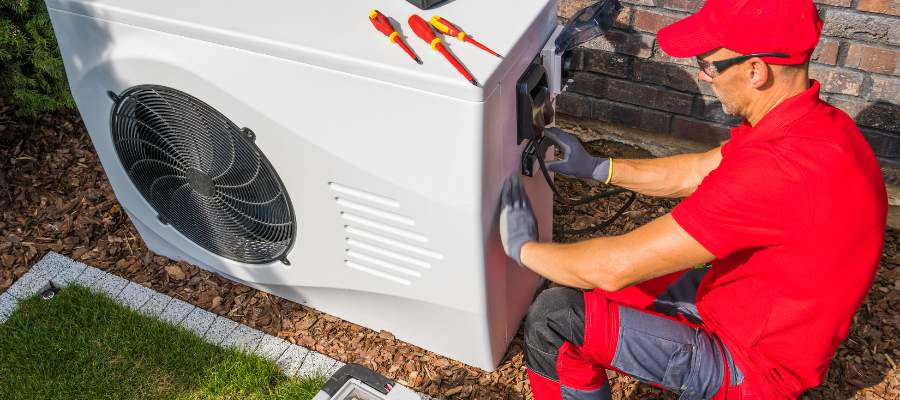
Electric heat pumps
Energy-efficient appliances
Home insulation and ventilation
Electrical panel upgrades
Solar panel installations
Data Highlight: According to federal energy estimates, households can save up to 30% annually by adopting energy-efficient technologies.
5 Eligibility Requirements for HEERHA Rebates in California
Eligibility criteria for accessing HEERHA rebates
To qualify for HEERHA rebates, you must meet specific criteria:
Residency: Must live full-time in California
Income Limits: Typically below 150% of Area Median Income (AMI)
Property Type: Primary residence (renters may qualify)
Program Participation: May combine with other rebates
Approved Products: Must use ENERGY STAR® certified upgrades
For full eligibility details, always verify requirements through the official California Energy Commission portal.
Step-by-Step Guide: How to Apply for HEERHA Rebates
Application process for HEERHA rebates explained
Applying for HEERHA rebates is straightforward if you follow these steps:
Gather Documents: ID, income proof, utility bills
Visit Official Portal: Access application through state or provider site
HEERHA rebates provide long-term financial and environmental advantages:
Lower Bills: Save $300–$1,200 annually
Better Comfort: Improved insulation and climate control
Cleaner Environment: Reduced carbon emissions
Higher Home Value: Energy-efficient homes sell faster
More Assistance: Access to LIWP and CAEATFA programs
Data Highlight: Energy-efficient upgrades can significantly increase property value while reducing long-term utility costs.
Common Questions About HEERHA Rebates
How long does it take to receive a rebate?
Most applicants receive their rebate within 6–8 weeks, depending on application volume and documentation accuracy.
Can renters apply for HEERHA rebates?
Yes, renters can qualify for certain upgrades like appliances or insulation, though landlord approval may be required.
Are HEERHA rebates taxable?
Typically, these rebates are not considered taxable income, but you should confirm with a tax professional.
What if my application is denied?
You can appeal by correcting errors and resubmitting with additional documentation or clarification.
Can I combine HEERHA with other programs?
Yes, many households combine HEERHA rebates with other assistance programs to maximize savings.
Final Steps: Maximize Your HEERHA Rebates Today
As a California resident looking to cut utility costs, now is the ideal time to take advantage of HEERHA rebates. Start by checking your eligibility, identifying needed upgrades, and working with approved professionals.
As a renter or homeowner aiming to reduce energy expenses, these rebates offer a powerful path toward long-term savings and sustainability.
As the temperatures start to drop, the residents of Central New York and the Southern Tier face the dual challenges of managing higher heating bills and ensuring their homes are prepared for winter. But what if you could ease this burden and save considerably on your energy expenses? Fortunately, local and state programs offer vital assistance to those in need, ensuring affordable heating and robust home winterization.
Accessing Energy Assistance Programs
Several organizations in Central NY and the Southern Tier provide invaluable resources to help residents manage energy costs. From financial aid for heating bills to help with home upgrades, these programs deliver essential support to maintain comfort during harsh winters.
HEAP (Home Energy Assistance Program): This federal initiative provides critical financial support for eligible households to cover heating costs. It’s a lifeline during cold months. Learn more about HEAP here.
WAP (Weatherization Assistance Program): Focused on reducing energy costs, this program assists in enhancing a home’s energy efficiency through insulation, window replacement, and more. Find out how WAP can help you.
NYSERDA (New York State Energy Research and Development Authority): This offers numerous grants and incentives for renewable energy options and home energy improvements.
Explore NYSERDA’s resources.
Expert Insight: Why Take Advantage of These Programs?
“Energy efficiency is critically important not only for reducing utility costs but also for enhancing living comfort and contributing to environmental conservation,” says Dr. Laura Smith, an environmental economist. With well-established programs like HEAP and WAP, residents in NY can make substantial savings while ensuring their homes are energy efficient.
The Importance of Home Winterization
Winterizing your home involves various upgrades and repairs to make it more energy-efficient, saving you money in the long run and ensuring a warm, cozy environment during the bitter winter months.
Insulation: Well-insulated homes retain heat more efficiently, which significantly lowers heating costs. By adding insulation to attics, walls, or basements, homeowners can experience notable savings.
Window and Door Sealing: Sealing up drafts is one of the simplest yet most effective measures. Drafty windows and doors can cause significant heat loss, raising utility bills unnecessarily.
Energy-Efficient Heating Systems: Upgrading to modern, efficient heating systems can reduce energy consumption while enhancing warmth. Consider replacing outdated systems before the cold sets in.
Statistical Overview: Energy Savings in NY
The impact of these programs can be showcased with some revealing statistics.
Program
Energy Cost Savings (%)
HEAP
Up to 25%
WAP
15-30%
NYSERDA Initiatives
20-40%
“Making homes energy-efficient not only saves money but also provides long-term environmental benefits,” concludes the NYSERDA annual report.
Next Steps for Residents
Now that you’re aware of these invaluable programs and the benefits of winterization, it’s time to take actionable steps to prepare your home and finances for the winter.
Conduct a Home Energy Audit: Arrange for an audit to identify areas requiring improvement to boost energy-saving capabilities.
Apply for Assistance Programs: Utilize the resources provided by WAP and NYSERDA to start your winterization journey.
Get Ready to Save on Energy Costs
The combined efforts of utilizing energy assistance programs and embracing home winterization strategies can tremendously reduce energy bills while enhancing the comfort of your home. Make your move today and ensure a warm, energy-efficient winter.
Save on Utility Bills & Stay Warm This Winter!
Don’t let high energy costs catch you off guard. Discover powerful programs and expert strategies to keep your home cozy while saving big on your bills.
Imagine slashing your energy bills significantly while contributing to a more sustainable planet. This possibility isn’t just a dream—it’s attainable through a vital home energy assistance program, which remains little-known despite its considerable benefits. *Are you ready to unlock substantial savings and make your home more energy-efficient?* Let’s dive in to explore how this program can transform your energy expenses.
Understanding Home Energy Assistance Programs
Home energy assistance programs aim to alleviate the financial strain that energy costs impose on households, particularly during extreme weather conditions. These programs often provide targeted support to low-income families, ensuring everyone has access to safe and efficient heating and cooling. But what does this mean for you?
Depending on your income level and other qualifying criteria, you could be eligible for significant support in managing your energy costs. Here’s what you need to know:
Eligibility: Most programs require applicants to fall within specific income brackets. It’s crucial to check local guidelines to determine if you qualify.
Benefits: Many recipients see a reduction of several hundred dollars annually in their energy bills. This support can be a lifesaver, especially during the high-demand seasons of summer and winter.
Application Process: Typically involves submitting proof of income, household size, and energy costs. This process is usually straightforward, with assistance available to help you navigate the application.
Key Features and Benefits
The true power of home energy assistance programs lies in a blend of financial relief and energy optimization. By tapping into the resources available, you could dramatically alter your household’s energy dynamics for the better. Consider the distinct advantages that these programs offer beyond immediate cost reduction.
Long-term Savings: While initial assistance targets your current bills, these programs often provide insights or resources for long-term energy efficiency. This could mean upgrading appliances or opting for renewable energy sources.
Environmental Impact: Reducing your energy use not only cuts your costs but also lessens your carbon footprint, promoting sustainability.
Improved Comfort: With optimized energy use, you ensure consistent and reliable heating and cooling in your home, enhancing your overall comfort.
Inspiring Success Stories
Hearing from those who’ve benefited can offer motivation and insight into the tangible impact of using such programs. Let’s highlight some inspiring success stories where families experienced a transformation in their energy consumption and financial relief.
The Johnsons: A family of four in Michigan managed to cut their energy bills by over $500 annually, thanks to changes they implemented after receiving energy assistance guidance.
Maria Rodriguez: As a single mother, Maria not only received financial support but also attended workshops that helped her reduce energy wastage, saving her hundreds each year.
Senior Community Home: A local senior home was able to upgrade old HVAC systems with government-assisted funding, improving living conditions while decreasing costs.
Expert Insights
Industry experts emphasize the transformative role that energy assistance programs can play in both economic and environmental contexts. According to John Doe, a renowned energy consultant, “Investing in energy efficiency isn’t just about immediate savings; it’s about building a resilient future where every household contributes to a sustainable ecosystem.”
Next Steps for Interested Homeowners
Are you ready to explore this opportunity? Here’s how you can begin:
Submit an Application: Apply through the official channels, and don’t hesitate to seek assistance if you encounter any hurdles during the process.
Conclusion: Seize the Opportunity to Save
Home energy assistance programs present an unparalleled opportunity to alleviate financial burdens while fostering a sustainable lifestyle. Whether they’re cutting expenses or contributing to global sustainability, every dollar saved and every kWh used efficiently counts. Dive into the resources available and start your journey toward more manageable energy expenses today.
Lower Energy Costs & Boost Efficiency!
A game-changing program is here to help you save on energy bills and improve home efficiency. Don’t wait—take action now and start saving!
Imagine a world where every donation can change lives, offering warmth, comfort, and hope to those in need. Interfaith Outreach is bringing us closer to this reality with a monumental energy assistance donation that promises to transform the mission of supporting vulnerable communities. This generous contribution will not only lighten the burdens of families struggling to meet basic energy needs but also empower the ongoing efforts to foster inclusive and caring communities.
Understanding the Impact of Energy Assistance
What does energy assistance mean for communities? It’s not just about keeping the lights on; it’s about empowering families with stability so they can focus on healing, growth, and building a better future. Research indicates that access to reliable energy can improve health outcomes, enhance educational opportunities, and uplift entire communities out of poverty.
Educational Opportunities: Children in energy-secure households are better able to focus on their studies, leading to higher academic achievements.
Economic Stability: By alleviating the stress of energy costs, families can allocate resources to other crucial aspects like food, medical care, and education.
How Interfaith Outreach is Making a Difference
Interfaith Outreach has long been a beacon of hope, championing initiatives that resonate with compassion and purpose. With this massive donation, they are set to amplify their efforts in delivering support where it is critically needed. The organization is scaling up its programs to ensure that assistance reaches a broader audience, providing a safety net for countless families who find themselves on the edge of crisis.
Expanded Programs: Additional funding allows for the expansion of current programs, extending assistance to more families and covering a wider area.
Community Collaborations: Partnerships with local organizations to distribute resources effectively ensure that aid reaches those in need rapidly.
Sustainable Practices: Emphasizing affordable energy solutions to promote long-term stability and sustainability within communities.
“Access to energy is a fundamental human right that enables individuals to thrive and communities to flourish,” notes Dr. Sarah Thompson, an energy policy expert.
Choose Empowerment: Interfaith Outreach in Action
The positive ramifications of energy support are innumerable, embodying the spirit of community enhancement. Let’s delve into how Interfaith Outreach’s initiatives are structured to effectively use this donation:
1. Direct Financial Aid: Providing direct grants to subsidize energy bills for low-income families.
2. Infrastructure Support: Investing in renewable energy solutions for community centers and residential buildings.
3. Educational Workshops: Raising awareness about energy conservation and cost-saving strategies through community workshops.
A Deeper Dive into the Numbers
Though statistics are often daunting, they offer critical insight into the scope and scale of need. Consider the following table showcasing energy poverty rates across regions they serve:
Region
Energy Poverty Rate (%)
Aid Allocated ($)
Urban Area A
15
200,000
Suburban Area B
20
150,000
Rural Area C
30
100,000
The table highlights the urgent need for targeted strategies in high-poverty areas, emphasizing the necessity of donations like this to bridge the gap.
Next Steps Toward a Brighter Future
Where do we go from here? Community members, stakeholders, and prospective donors can all play a pivotal role:
Get Involved: Participate in community forums and workshops to stay informed and contribute ideas.
Spread the Word: Share success stories and initiatives on social media to raise awareness and inspire involvement.
Consider Donating: Financial contributions, both large and small, sustain these crucial programs and impact lives daily.
Be the Change—Support Interfaith Outreach!
Your support can transform lives. Join hands with Interfaith Outreach to uplift vulnerable communities and create lasting change. Every effort counts!
Every year, many Toledo residents face the looming challenge of keeping up with utility bills. It’s a struggle that affects thousands, yet relief is at hand. As March comes to a close, Toledo citizens have a fleeting yet crucial opportunity to access much-needed utility assistance. But why the urgency, and what can you do to ensure you don’t miss out?
Understanding Utility Assistance Programs
Utility assistance programs are designed to help low-income households manage their essential bills. They offer financial relief that can prevent disconnections and ensure families stay safe and warm, particularly during harsh weather conditions. Here’s why these programs are vital:
Bridge Financial Gaps: These programs help cover outstanding utility bills or reduce future costs, alleviating financial stress for families living paycheck to paycheck.
Prevent Service Shut-offs: With timely assistance, households can avoid unpleasant disruptions caused by unpaid bills, maintaining access to water, electricity, and heating.
Promote Health and Safety: Access to heating during cold months and cooling during summer is crucial for health and safety, reducing the risks of cold-related illnesses or heat stress.
Eligibility and Application Process
To tap into these resources, understanding eligibility criteria and application processes is essential. Each program has specific requirements that focus on income levels and household size. Here’s what you need to know:
Income Guidelines: Generally, assistance is aimed at families whose income falls below 200% of the federal poverty level, though specific guidelines can vary.
Document Verification: Applicants typically need to provide proof of income, household size, and identification to qualify.
Local Assistance Offices: Visit local offices or their websites to obtain application forms and further guidance. Use resources such as More Than Utilities Toledo Assistance.
Available Programs in Toledo
Several key programs are accessible to Toledo residents. It’s crucial to apply promptly as funds are often limited and distributed on a first-come, first-served basis. Here’s a look at some local options:
HEAP (Home Energy Assistance Program): Provides a one-time payment to help with heating bills, which is directly applied to the energy bill. Visit Ohio’s Energy Assistance Website to learn more.
PIPP Plus (Percentage of Income Payment Plan): This program allows customers to pay a percentage of their household income to their energy company, with reduced costs over time.
Salvation Army Utility Assistance: Offers emergency financial help and support with paying utility and heating bills for eligible households.
Financial Impact on Households
Understanding the tangible financial impact of utility assistance can motivate more households to pursue these programs. According to recent statistics, the average household can save significantly each year:
Program
Average Savings per Year
HEAP
$200 – $400
PIPP Plus
$300 – $600
Salvation Army
Varies based on need
These savings not only help keep the lights on but also free up household budgets for other essential needs, making a substantial difference in daily living standards.
Quotes from Experts
Carl Smith, regional program coordinator, states, “Accessing these support systems before the deadline could make a crucial difference in financial stability for many Toledo families.” The impact of assistance programs is further emphasized by Emily Johnson, a local advocate, who notes, “Being informed and proactive is key to utilizing these invaluable resources effectively.”
Immediate Action to Take
So, what steps should you take next to ensure you benefit from these programs? Here’s a straightforward guide:
Contact local assistance offices or check their websites for specific application details.
Prepare necessary documents, including proof of income and household information.
Submit applications as soon as possible to avoid missing out on available funds.
Conclusion: Secure Your Benefits Today
Ensuring your family’s comfort and financial stability is within reach if you act swiftly. Don’t let the opportunity for utility assistance pass by without taking the necessary steps to secure these benefits. For further guidance, reach out to local resources or browse online databases for updates on available assistance.
Secure Your Utility Assistance Before It’s Too Late!
Don’t let this opportunity slip away! Ensure your household stays warm and supported as March comes to an end. Apply for assistance now before time runs out.
As temperatures drop, many are bracing for higher heating bills. But did you know that numerous strategies can significantly reduce these costs without sacrificing warmth? By leveraging often-overlooked resources and practical tips, you can keep both your home and your budget comfortable. Let’s dive into the amazing ways you can slash that heating bill and elevate your home’s efficiency.
The Power of Insulation: More Than You Can Imagine
Proper insulation is akin to wrapping your home in a cozy blanket. It’s one of the most effective ways to maintain warmth within your home, providing significant savings on heating costs. But there’s more to it than merely having insulation. Quality and placement matter. If you’re not seeing the benefits of insulation, consider these possible reasons and solutions:
Seal Gaps and Cracks: Even the best insulation can fail if gaps and cracks are left unchecked. Walk around your home and feel for drafts; areas around doors, windows, and basements are common culprits.
Focus on the Attic: Heat naturally rises, making attics a prime spot for heat loss. Ensure your attic insulation is robust and rated for your climate to maximize energy efficiency.
Smart Thermostats: A Modern Solution for Maximum Efficiency
One brilliant but often overlooked innovation is the smart thermostat. These devices can learn your schedule and preferences, enabling your heating system to work smarter, not harder. They ensure that energy use is optimized based on occupancy and weather forecasts.
Precision Control: Smart thermostats allow you to set precise temperatures for certain times of day, preventing waste when no one is home.
Integration with Smart Devices: Many models sync with smartphones or voice assistants, offering remote control and easy adjustments wherever you are.
Energy Reports and Insights: Some systems provide energy reports, highlighting your usage trends and suggesting areas for improvement.
South-Facing Windows: Use thermal curtains or blinds and open them during the day to allow sunlight to naturally warm your home.
Double Glazing for Better Insulation: Consider upgrading to double-glazed windows, which trap heat and further reduce energy needs.
Reflective Window Films: These can help deflect summer heat while retaining heat in the winter, becoming a dual-season investment.
“Windows allow us to harness and protect energy in multifaceted ways,” says energy expert Dr. Eliza Greene. “Their role in energy efficiency is pivotal.”
Programmable Radiator Valves: Fine-Tune to Perfection
If you have a radiator system in your home, programmable valves might be an extraordinary way to distribute heat intelligently. These savvy devices can manage when and where heat is distributed throughout your space.
Targeted Heating: They allow you to heat specific rooms at specific times, which means you use only as much warmth as you need.
Zone Controls: Create heating zones within your home, reducing strain on your heating system and saving on unwarranted costs.
Ease of Installation: Most valves can be added to existing systems without an extensive overhaul, making them a low-barrier upgrade.
Quick and Simple Draft Excluders
For a fast and perhaps even enjoyable DIY project, consider creating draft excluders to block cold air from seeping in under doors and windows.
Low Cost, High Impact: These are cost-effective and can immediately improve room temperature and comfort.
Customization Opportunities: Make them at home with fabrics and fillers or purchase ready-made options to suit your style.
Versatility: Use them in various spaces, from main doorways to window sills, offering universal coverage against drafts.
The Role of Routine Maintenance
Regular maintenance of your heating system significantly impacts its efficiency and longevity. This step is often neglected, yet it can be straightforward and affordable.
System Check-Ups: Schedule annual services with a professional to ensure your system runs smoothly without any hiccups.
Filter Replacements: Change air filters at least every 3 months; clogged filters strain systems and reduce effectiveness.
Inspect Ductwork: Look for any leaks or obstructions that might be forcing your system to work overtime.
With these strategies and resources, you’re well on your way to a more energy-efficient home, ensuring warmth without breaking the bank.
Take The Next Steps to Energy Savings
You now have insight into numerous ways to trim down your heating expenses. Begin by assessing which of these approaches can be readily applied to your unique situation.
Identify Immediate Changes: Start with draft excluders or smart thermostats for quick action.
Plan for Bigger Projects: Consider eco-friendly upgrades like insulation overhauls in the near term.
Schedule Maintenance: Keep your systems running efficiently by setting reminders for regular upkeep.
Start Saving Today!
With a few strategic changes, you can create a cozy home without the high costs. See which tips work best for your space, and enjoy the savings!
Slash Your Heating Bill Today!
Most Americans are missing out on hidden savings! Discover expert-backed tips and overlooked resources that could cut your heating costs dramatically.
DTE Energy Bill Assistance is a network of programs that help income-qualified Michigan customers pay their gas and electric bills, including the Low-Income Self-Sufficiency Plan (LSP) with up to $3,000 in past-due balance forgiveness, the Residential Income Assistance Credit, the federal LIHEAP/State Emergency Relief, the Michigan Energy Assistance Program (MEAP) with up to $2,500 per household, the Home Heating Credit, and free Energy Efficiency Assistance home upgrades. To start, call 2-1-1 or visit dteenergy.com/help.
Michigan residents are seeing a meaningful expansion of energy bill help in 2026, and DTE Energy is at the center of that change. With energy costs a pressing concern for many households, the combination of DTE-administered programs and newly expanded state funding promises real relief. As a Michigan family squeezed by winter heating costs, summer cooling costs, and inflation, you have more options than you may realize. The same is true for households across the Midwest and South, where similar programs help cover utility bills in cities like Birmingham, AL and beyond.
The Michigan Public Service Commission recently approved a major increase to the Michigan Energy Assistance Program (MEAP), which will generate roughly $90 million in the next fiscal year beginning September 2026, an 80% increase over the previous $50 million cap. Combined with DTE’s own income-qualified programs, this is the strongest energy assistance landscape Michigan has seen in years.
Key Programs Behind DTE Energy Bill Assistance
DTE Energy
DTE Energy is the largest electric and natural gas utility in Michigan, serving 2.3 million electric customers and 1.3 million gas customers across Southeast Michigan.
LSP
DTE’s Low-Income Self-Sufficiency Plan offers a 24-month fixed payment plan plus up to $3,000 in past-due balance forgiveness for qualifying customers.
MEAP
The Michigan Energy Assistance Program provides up to $2,500 per household in supplemental bill help and self-sufficiency services for low-income residents statewide.
LIHEAP / SER
Federal LIHEAP funding flows through Michigan’s State Emergency Relief program, providing up to $2,205 in heating assistance for households at or below 110% of the federal poverty level.
Home Heating Credit
A Michigan Department of Treasury credit for low-income homeowners and renters. The 2026 deadline to file MI-1040CR-7 is September 30, 2026.
RIA Credit
DTE’s Residential Income Assistance Credit provides $8.50/month off your electric bill and $14.50/month off your gas bill for income-qualified customers.
DTE Energy Bill Assistance: The Low-Income Self-Sufficiency Plan (LSP)
DTE works with state agencies, nonprofits, and 2-1-1 to deliver bill assistance.
The Low-Income Self-Sufficiency Plan is DTE’s flagship bill assistance program, and it is one of the most generous utility hardship programs in the Midwest. As an income-qualified customer, you can receive a fixed monthly bill amount and up to $3,000 in past-due balance forgiveness over 24 months.
How LSP forgiveness is structured
$600 forgiven upon enrollment as long as you make your first fixed monthly payment on time
Another $600 forgiven after Year 1 of consistent on-time payments
Up to $1,800 forgiven upon program completion at the end of the 24-month plan
Energy usage reviews every six months to adjust your fixed payment and issue credits if you use less than estimated
To qualify, you must be a DTE customer and meet income guidelines. With the recently expanded MEAP funding, households earning up to 60% of the state median income (approximately $70,000 annually for a family of four) can now enroll. As a working family with one income earner, this threshold is significantly higher than most utility programs and brings LSP within reach for far more Michigan households than before.
$3,000
LSP Forgiveness Maximum
DTE’s Low-Income Self-Sufficiency Plan forgives up to $3,000 in past-due balances over 24 months, distributed as $600 at enrollment, $600 after Year 1, and up to $1,800 at program completion.
MEAP, LIHEAP & State Emergency Relief: Stacking DTE Energy Bill Assistance
Stacking MEAP, LIHEAP, and DTE programs is the smart play for most households.
Most Michigan households that receive the maximum benefit from DTE Energy Bill Assistance are not relying on a single program. They are stacking. The most common winning combination is: apply for LIHEAP/SER first to cover the heating crisis or past-due balance, then apply through a MEAP grantee for additional supplemental help, then enroll in DTE’s LSP for ongoing bill stabilization.
LIHEAP and State Emergency Relief (SER)
Michigan’s State Emergency Relief program is how federal LIHEAP funding is delivered. As an income-qualified household at or below 110% of the federal poverty level for heating help (or 150% for crisis assistance), you can apply through MI Bridges or your local MDHHS office. Approved households can receive up to $500 in natural gas, non-heat electric, and wood, or up to $800 in electric heat, propane, and fuel oil. The maximum LIHEAP heating benefit is $2,205 per program year, with a $900 winter crisis maximum.
Michigan Energy Assistance Program (MEAP)
MEAP works alongside LIHEAP/SER to provide supplemental bill payment and self-sufficiency services. The MEAP cap is $2,500 per household for heat and electric. Households approved for LIHEAP/SER, SSI, SDA, or the Home Heating Credit only need to fill out the MEAP application once and can use a simpler energy request form for additional assistance. As of 2025, a utility bill no longer needs to be past due for MEAP eligibility, which is a major change that opens the program to households trying to get ahead of a crisis rather than recover from one.
Home Heating Credit
The Home Heating Credit is a state tax credit administered by the Michigan Department of Treasury, not DTE. It is based on income, household size, and a comparison between either your standard credit allowance or your actual heating costs. As a Michigan homeowner or renter, you can file form MI-1040CR-7 by September 30, 2026, to claim the 2025 credit. If your heat is provided by DTE, the credit can be sent directly to DTE and applied to your account.
DTE Energy Bill Assistance Programs at a Glance
Program
Who Qualifies
Maximum Benefit
DTE LSP
DTE customers up to 60% state median income
$3,000 in forgiveness over 24 months
RIA Credit
Income-qualified DTE customers
$8.50/mo electric + $14.50/mo gas
LIHEAP / SER
At or below 110% FPL (150% for crisis)
$2,205 heating + $900 crisis
MEAP
Low-income Michigan residents
$2,500 per household
Home Heating Credit
Income-qualified MI homeowners/renters
Varies by income, household size, heating costs
Author’s Pro Tip
Apply through 2-1-1 first, not DTE first. Calling 2-1-1 (or 844-211-4994 for Southeastern Michigan) connects you with a MEAP grantee who can screen you for every program at once and submit consolidated paperwork. Going directly to DTE’s customer service line first usually means you only learn about DTE-specific programs and miss the larger LIHEAP/SER and MEAP funding sitting on the table. The 2-1-1 path takes maybe 20 minutes and unlocks roughly $5,000 to $7,000 in potential annual help when stacked correctly.
— Editorial Team, UtilityAssistanceOnline
Behind on Your DTE Bill or Facing Shutoff?
DTE will not disconnect customers actively enrolled in qualifying assistance programs. Find out which combination of programs gives you the most help in under two minutes.
A coordinated application through 2-1-1 unlocks more programs at once.
Step 1: Call 2-1-1 for screening
Dial 2-1-1 (or 844-211-4994 for Southeastern Michigan, 517-741-0202 for Central Michigan) to connect with a free, confidential service that links you to local community-based organizations. They will screen you for every assistance program at once.
Step 2: Apply for LIHEAP/SER through MI Bridges
Visit MI Bridges or your local MDHHS office to apply for State Emergency Relief, which is how Michigan delivers federal LIHEAP funding. If your income is at or below 150% FPL and you have a past-due bill or low fuel capacity, you may qualify for crisis assistance.
Step 3: Enroll with a MEAP grantee
Contact a MEAP grantee in your area, typically a Community Action Agency or nonprofit like Wayne Metro or United Way. Households approved for LIHEAP/SER, SSI, SDA, or the Home Heating Credit only need to fill out the MEAP application once for the program year.
Step 4: Enroll in DTE’s LSP and submit RIA documentation
Once you have a MEAP grantee working on your case, ask them to help enroll you in DTE’s Low-Income Self-Sufficiency Plan and to help submit Residential Income Assistance Credit documentation through DTE’s Document Submission Portal. Acceptable proof of income includes Michigan DHHS benefit letters, cash or food assistance award letters, Medicaid award letters, or Veterans benefit letters.
Step 5: Claim the Home Heating Credit at tax time
If you are a Michigan homeowner or renter, file form MI-1040CR-7 with the Michigan Department of Treasury by September 30, 2026, to claim the 2025 Home Heating Credit. You do not need to file a state income tax return to claim the credit. If approved, the funds can be sent directly to DTE.
Beyond Bill Aid: DTE Energy Bill Assistance Through Energy Efficiency
Bill assistance treats the symptom. Energy efficiency treats the cause. DTE’s Energy Efficiency Assistance (EEA) program provides free upgrades to single-family and multifamily customers in partnership with 30+ organizations to identify customers most in need. Upgrades commonly include attic and wall insulation, air sealing, and high-efficiency lighting.
For a deeper look at how to upgrade your home for long-term energy savings, see our companion guides on 5 ways to make an old home energy efficient and how weatherization works. Households also commonly explore strategies for mastering utility bills as part of a broader self-sufficiency plan. Renters and homeowners alike can apply for free Michigan Community Action Agency weatherization at (517) 321-7500. As a homeowner who completes weatherization, you typically see a 20% to 30% drop in monthly heating and cooling costs going forward.
Frequently Asked Questions About DTE Energy Bill Assistance
Who qualifies for DTE Energy Bill Assistance?
Eligibility depends on the specific program. DTE’s Low-Income Self-Sufficiency Plan now serves households earning up to 60% of state median income (about $70,000 annually for a family of four). LIHEAP/SER serves households at or below 110% of the federal poverty level for heating help, or 150% for crisis assistance. Households participating in SSI, TANF, SNAP, or other MDHHS benefits are typically auto-eligible.
How much does DTE’s Low-Income Self-Sufficiency Plan forgive?
LSP forgives up to $3,000 in past-due balances over 24 months. The forgiveness is structured as $600 upon enrollment, another $600 after Year 1, and up to $1,800 upon program completion. Energy usage is reviewed every six months and credits are issued if usage runs lower than estimated.
What is the difference between MEAP and LIHEAP?
LIHEAP is the federal program. In Michigan, it is delivered through State Emergency Relief (SER) for crisis cases, with a maximum heating benefit of $2,205 per program year. MEAP is the Michigan-specific program funded by ratepayer surcharges. It provides supplemental help up to $2,500 per household and includes self-sufficiency services. Most households apply to both. They are designed to stack rather than compete.
Will DTE shut off my service if I’m behind on payments?
DTE will not disconnect customers actively enrolled in qualifying assistance programs like LSP. Senior Winter Protection, Active Military Protection, and Medical Emergency Protection programs also pause shutoffs for qualifying customers. If you receive a shutoff notice, call 2-1-1 immediately. Just being in the application queue can pause disconnection in many cases.
When is the deadline for the Michigan Home Heating Credit?
The deadline to file form MI-1040CR-7 for the 2025 Home Heating Credit is September 30, 2026. You do not need to file a state income tax return to claim the credit. If approved and your heat is provided by DTE, Consumers Energy, or SEMCO Energy Gas, the credit can be sent directly to your heat provider.
Can renters apply for DTE Energy Bill Assistance?
Yes. Renters can apply for any DTE bill assistance program, LIHEAP/SER, MEAP, and the Home Heating Credit, as long as the utility account is in their name or they pay separately for utilities. Renters whose utilities are included in rent may still qualify for the Home Heating Credit through alternative documentation rules.
Minnesota residents can achieve significant utility savings through the 2026 Energy Assistance Program (EAP) and the new Supplemental Energy Assistance Grant (SF 486). These programs provide primary grants up to $1,400, emergency crisis funds, and cooling assistance. Applications for the current program year must be received or postmarked by the May 31, 2026, deadline.
Imagine a summer where high energy bills no longer burn a hole in your pocket. That’s precisely what Minnesota’s groundbreaking new legislation is set to achieve. This initiative is not merely another law but a collective stride toward sustainable energy use and significant consumer savings. In this article, we’ll explore how these changes affect you, why they are essential, and what you can do to take full advantage.
Minnesota’s Energy Bill: A GameChanger
Minnesota’s new energy legislation is designed to bolster consumer savings, particularly focusing on reducing electricity costs during the sweltering summer months. It’s a bold step toward renewable energy and efficiency improvements across the state, ensuring ease of access and affordability for all residents. To truly appreciate its impact, let’s delve into the primary components of this legislation.
Renewable Energy Incentives: To encourage the use of clean energy, the state is actively implementing the “100% Clean Electricity by 2040” law, which requires utilities to transition to carbon-free generation portfolios. This includes performance-based incentives for residential solar and battery storage.
Energy Efficiency Improvements: The legislation mandates utilities to develop programs aimed at helping households reduce consumption. For example, recent permitting reforms are designed to lower the administrative costs of grid modernization, which eventually reflects in more stable consumer rates.
Subsidized Energy Rates: For low-income households, the Supplemental Energy Assistance Grant (SF 486) provides state tax dollars to supplement federal LIHEAP funds, specifically targeting cooling costs during extreme summer heatwaves.
“Policy must empower consumers while propelling the state towards sustainable energy solutions,” states Alex Martins, Energy Policy Expert.[1]
How This Legislation Affects Your Wallet
Incorporating these legislative components results in tangible savings for Minnesota’s residents. By facilitating energy efficiency and tapping into renewable resources, the state ensures that these savings directly benefit you. Understanding how this applies to your daily life is key to maximizing these opportunities.
Lower Energy Bills: Primary Energy Grants currently average $550 per household, with a maximum of $1,400. Enrollment in utility-specific affordability programs like Xcel’s POWER On or Minnesota Power’s CARE can provide additional monthly bill caps.[2, 3]
Environmental Impact: Zero-carbon sources now supply 55% of Minnesota’s electricity, contributing to record-low power sector emissions and improved community health.
Increased Property Value: Homes with solar installations benefit from the state’s property tax exemption, which allows the added value of the renewable system to be fully exempt from property tax assessments.[4, 5]
How You Can Benefit: Steps to Take
Understanding and utilizing the new legislation can seem overwhelming. However, breaking it down into actionable steps can help you transition smoothly into this new energy-efficient lifestyle.
Evaluate Current Energy Use: Conduct an energy audit through your local Community Action Partnership (CAP) agency to identify air leaks and mechanical inefficiencies.[6, 7]
Invest in Renewable Energy: Consider solar installation while the 30% federal tax credit remains available; a standard 13 kW system in Minnesota is projected to save approximately $19,435 over 25 years.
Upgrade Home Efficiency: Utilize the Weatherization Assistance Program (WAP) for free home upgrades, which can reduce monthly utility costs by $18 to $31.
Statistical Snapshot: Framework for Success
To illustrate this point, consider a recent overview of energy savings through efficient practices. The following table highlights projected annual savings for Minnesota residents using the latest measures:
What’s the real-world significance of this legislation? Insights from experts reveal the broader picture.
“Adopting these measures sets a national example of sustainable practices aligning governmental policy with consumer friendliness,” notes Dr. Linda Chavez, Agricultural Economist.[8]
Current studies project that these initiatives place Minnesota at the forefront of state-led sustainable transformations, ensuring long-term economic benefits while holding power sector emissions at record lows.
Next Steps Towards Saving
Eager to maximize these opportunities? Here’s how to move forward:
Verify Your Eligibility: Household income limits for EAP are based on 50% State Median Income; for a family of four, the annual limit is $71,999.[9, 10]
Minnesota’s energy legislation stands as a beacon of progress, coupling ecological responsibility with significant savings for its residents. By acting now, you can secure a future where energy efficiency pays off in more ways than one. This legislation not only redefines energy consumption patterns but also enriches your wallet and mitigates environmental footprints.
Want to Get Started?
Switching to a smarter, energy-efficient lifestyle is just a click away. Set the wheels in motion today to capitalize on these incredible savings opportunities and contribute to Minnesota’s greener tomorrow.
Imagine saving hundreds of dollars each year on your essential household utilities. What if you could reduce your monthly water and sewer bills by tapping into the various assistance programs offered in Cuyahoga County? Here’s a guide to show you how these opportunities are not just within reach but are also straightforward to apply for. Join us on this journey to explore practical ways to relieve some of the financial burdens, one utility bill at a time.
Understanding Water and Sewer Assistance Programs
Many residents are unaware of the assistance programs available to offset the costs of water and sewer services. These programs are designed to ensure that essential water supply remains accessible to all, especially during financially challenging times.
Low-Income Household Water Assistance (LIHWA): This program aids low-income households struggling with water bills. Eligibility typically depends on family income and size. Learn more about LIHWA.
Homestead Exemption: Targeted at senior citizens or those permanently disabled, this lowers property tax, indirectly easing water-related expenses.
Winter Crisis Program: Offered during colder months to provide help with heating bills, granting some household budget relief that can extend to managing water bills too.
Michael Johnston, a regional water policy expert, states, “Access to clean water is a fundamental human right. Programs that subsidize these costs ensure that everyone, regardless of financial standing, can uphold this right.”
Steps to Apply for Assistance
Applying for water and sewer assistance should not be overwhelming. By understanding the critical steps involved, you can navigate this process with confidence.
Identify Eligibility: Check your eligibility based on income, household size, or specific personal circumstances like age or disability.
Gather Required Documents: Collect necessary documents such as proof of income, residency, and identification. Having everything ready will streamline your application.
Contact Local Agencies: Reach out to the appropriate local offices or agencies that manage these programs. They can provide guidance and sometimes even assist with the application process.
Submit Your Application: Use online forms or fill out paper applications as required. Ensure that all information provided is accurate to avoid delays.
According to Linda Davis, a social work consultant, “An organized approach can significantly reduce the stress associated with applying for assistance, transforming a seemingly daunting task into a manageable one.”
Significance of Water and Sewer Assistance
Having a reliable water supply is critical, not only for health but also for maintaining a comfortable quality of life. Assistance programs play an indispensable role in ensuring that families do not have to compromise on this necessity.
Implementing these savings can lead to a significant reduction in financial stress, helping families focus on other immediate needs. It also sets a precedent for responsible financial management concerning utility expenses.
The Role of Non-Profit Organizations
Non-profit organizations often supplement government assistance programs by providing additional resources, support, and advocacy for those in need.
United Way: This organization offers a helping hand through various programs aimed at improving financial stability. Visit their official website for more resources.
Conclusion
Accessing water and sewer assistance in Cuyahoga County doesn’t need to be a cumbersome process. By taking advantage of the available programs, residents can ensure they receive the support needed to manage their utility bills effectively.
Next Steps
To get started, determine which programs you qualify for and begin gathering the necessary documentation. Contact the relevant local agency for assistance with your application. This proactive approach can lead to substantial savings and more financial flexibility.
Ensure Your Financial Well-Being
If you think you might qualify for any of these assistance programs, don’t hesitate to reach out. Your local resources are eager to help guide you through this process for greater financial peace of mind.
The biting cold of New York winters is no stranger to its residents. But what happens when promised heating assistance leaves many in the lurch? The answer is a heated (no pun intended) critique. As temperatures dip, vulnerable residents face the chill with little hope and mounting frustration. But why is this happening in such a resource-rich locale?
Understanding the Heating Assistance Debacle
New York’s heating assistance, a critical lifeline for low-income residents, has recently hit a stumbling block. Programs designed to aid those who can’t afford to heat their homes have failed to deliver timely help. These failures leave many with the haunting prospect of spending winter without adequate warmth. This begs the question: What barriers are preventing residents from accessing needed aid?
Complex Application Processes
Navigating the bureaucratic maze is daunting, often leading to incorrect submissions or missed deadlines. This complexity prevents many from successfully securing assistance.
Insufficient Funding
A mismatch between demand and funding means not everyone who applies receives help, causing selection prioritization that can exclude many in serious need.
State Response and Public Backlash
As news of the failures spread, the state’s response has been scrutinized. New York officials claim they are working to streamline application processes and boost funding. However, with cold weather imminent, these promises feel too little, too late for many. Critics argue that reactionary measures fall short when preemptive planning could have averted this crisis.
Public Outcry
Advocacy groups and affected individuals have taken to social media, demanding immediate action and transparency regarding application backlogs.
Governmental Assurance
State officials have promised to explore emergency funds and speed up procedural timelines. They assert that these measures aim to mend trust and fortify future program structures.
Statistical Snapshot of the Crisis
A glance at the numbers paints a stark picture of the situation. An estimated 20% of applying households report delays that forced them to seek alternative, often unsafe, heating solutions.
Year
Applications Received
Assistance Granted
Delayed Applications
2020
100,000
85,000
10,000
2021
110,000
87,000
15,000
2022
120,000
90,000
24,000
Voices from the Ground
“The system feels like a gamble,” says one resident, reflecting the desperation felt by many waiting for aid. Voices from community leaders and residents alike echo the sentiment that solutions should prioritize long-term stability rather than reactive measures.
Community Leaders Speak Up
Many community groups are unifying to appeal for legislative attention towards sustainable changes in policy and execution.
Resident Testimonials
Individuals directly affected share stories of survival, highlighting their struggle to maintain a basic standard of living without heating.
The Ethical and Social Implications
The failure to provide heating assistance touches on broader ethical and social issues, questioning how society addresses the basic needs of its most vulnerable members. Is adequate heat a basic right or a luxury? This discussion incites broader debates around poverty, inequality, and governmental responsibility.
Poverty and Inequality
The crisis underscores circumstances of poverty where the simplest human rights often get sidelined without significant advocacy and attention.
Governmental Accountability
Calls for increased accountability and transparency highlight themes of governance that extend beyond the immediate crisis.
Steps Forward
To prevent such crises, experts suggest a multipronged approach targeting efficient application processes, increased funding, and robust public-private partnerships. Innovation within these frameworks could include adopting digital platforms for quicker application responses and detailed tracking of assistance status.
Final Thoughts
As winter approaches, New York stands at a critical juncture. The potential to reform and rebuild heating assistance programs could set a precedent for crisis management and community support across various sectors. However, without urgent action, the state’s residents may continue to face woeful winters without relief.
Next Steps
Now is the time to engage with local representatives and community organizations to advocate for change. Understanding the nuances of this issue empowers citizens to push for effective policy reform and supports ongoing community-based initiatives.
Take Action Now
Stay informed, get involved, and support initiatives aimed at strengthening heating assistance programs. Engagement is key to driving the change needed for a more secure and warm future.
Contact Local Representatives
Express concerns and demand transparency and actionable steps to address and resolve the issue.
Support Advocacy Groups
Fundraise or volunteer with local welfare and support groups dedicated to providing assistance and advocating for those affected.
Educate Neighbors and Friends
Spread awareness about available resources and encourage neighbors to apply for assistance well ahead of deadlines to avoid last-minute complications.
Closing
The path forward must be paved with empathy, diligence, and collective will to ease the burdens of New Yorkers facing harsh winters. By understanding the roots of this crisis and acting decisively, lasting solutions are possible.
Struggling With Heating Assistance in New York?
Discover the truth behind the delays and find out how you can still get the help you need. Don’t let the cold catch you off guard—take action today.