Home Blog Page 17

Connecticut Utility Assistance Programs: Grants, Discounts & Bill Payment Help

0

Connecticut’s long winters and hot summers can lead to high utility costs, creating financial strain for many families—especially low-income households, seniors, and those facing unexpected hardships. Fortunately, Connecticut offers a robust safety net of state-run, federally funded, and nonprofit utility assistance programs.

Whether you’re behind on your heating bill, need help with water payments, or want to avoid shut-off notices, this guide covers the top utility assistance options in Connecticut, including eligibility, application instructions, and where to get help fast.


Connecticut Energy Assistance Program (CEAP)

Connecticut Energy Assistance Program (CEAP)

The Connecticut Energy Assistance Program (CEAP) is the state’s flagship heating assistance program for low-income residents. Funded by the Low-Income Home Energy Assistance Program (LIHEAP), CEAP offers financial help during the winter months to ensure residents can heat their homes safely.

What CEAP Covers:

CEAP provides direct payments to utility companies or fuel vendors to cover home heating needs, including:

  • Electric heat

  • Natural gas

  • Oil, propane, kerosene, coal, wood, or wood pellets

  • Emergency heating assistance if you’re out of fuel or facing a shut-off

Depending on income, household size, and energy type, you may receive up to $600 in assistance and even more in crises.

Who Qualifies for CEAP:

To qualify for CEAP, your annual household income must be at or below 60% of Connecticut’s State Median Income (SMI):

Household Size Maximum Annual Income (60% SMI)
1 person $41,553
2 people $54,338
3 people $67,124
4 people $79,910
5 people $92,695
6 people $105,481

Tip: You may also qualify if you receive SNAP, TANF, SSI, or Medicaid benefits.

How to Apply for CEAP:

Applying is easy—and the earlier you apply, the better:

  • Call: (800) 842-1132 to locate your local Community Action Agency (CAA)

  • Online: Apply for CEAP

  • In-Person: Visit your nearest CAA for face-to-face help


Low-Income Household Water Assistance Program (LIHWAP)

For families facing water or wastewater shut-offs, LIHWAP offers critical support by providing grants to cover overdue bills. This program ensures that no household goes without access to clean, safe water.

What LIHWAP Covers:

  • Up to $1,000 in grants to pay off past-due water and wastewater bills

  • Available for public water systems and private well users with septic systems

Who Qualifies for LIHWAP:

  • Must be a Connecticut resident

  • Must have a past-due water or wastewater bill

  • Household income must be at or below 60% of SMI (same guidelines as CEAP)

How to Apply for LIHWAP:


Matching Payment Program (MPP)

Matching Payment Program (MPP)

The Matching Payment Program (MPP) helps low-income customers of major utility companies reduce their past-due electric or gas balances through a dollar-for-dollar matching system.

What MPP Offers:

  • For every dollar you pay, your utility company matches a portion of your past-due balance

  • Monthly payments based on income

  • Protection from utility disconnection while you remain active in the program

Who Qualifies for MPP:

To enroll, you must:

  • Be a customer of Eversource, UI, Southern Connecticut Gas, or Connecticut Natural Gas

  • Be enrolled in CEAP, LIHEAP, SNAP, or Medicaid

  • Demonstrate financial hardship or a history of missed payments

How to Apply for MPP:

Contact your utility provider directly to enroll:

  • Eversource: (800) 286-2828

  • United Illuminating (UI): (800) 722-5584

  • Southern Connecticut Gas: (800) 659-8299

  • Connecticut Natural Gas: (860) 727-9488


Additional Resources: Operation Fuel

Operation Fuel is a statewide nonprofit that provides emergency energy and water assistance to households that fall through the cracks of state and federal programs.

Operation Fuel Offers:

  • Up to $1,000 in one-time emergency aid

  • Available year-round while funding lasts

  • Support for electricity, gas, water, oil, and deliverable fuels

Who Can Apply:

  • Low- to moderate-income households

  • People who do not qualify for CEAP or who have used up CEAP benefits

How to Apply:


FAQs: Connecticut Utility Assistance Programs

Can I apply for multiple assistance programs at once?

Yes! Most families qualify for multiple programs, including CEAP, Operation Fuel, LIHWAP, and MPP. These can often be combined—just not for the same bill or period.

What if I get a utility shut-off notice?

  • Call your utility provider immediately to request a payment arrangement or hardship plan

  • Apply for CEAP or Operation Fuel for emergency assistance

  • Dial 2-1-1 for help finding a local resource

Do I need to repay CEAP or Operation Fuel?

No. These are grants, not loans. They don’t require repayment, and they won’t affect your credit score.

How long does it take to get help?

  • CEAP and LIHWAP: Usually 2 to 4 weeks

  • Operation Fuel: Most grants are processed within 2 weeks, sometimes faster in emergencies


Next Steps: What To Do If You Need Help Now

If you’re facing high energy bills or a utility shut-off, don’t wait—there are multiple forms of help available today. Here’s how to take action:

  1. Apply for CEAP via the CEAP online portal or by calling (800) 842-1132

  2. Apply for LIHWAP at Connecticut’s LIHWAP site or call 2-1-1

  3. Call your utility company to enroll in the Matching Payment Program (MPP)

  4. Contact Operation Fuel at operationfuel.org or dial 2-1-1

  5. Need more guidance? Dial 2-1-1 Connecticut for free help finding the right program

Connecticut Residents. You May Qualify for Utility Help

From grants and discounts to payment plans, Connecticut offers a range of utility assistance programs to help ease the burden. See what help you’re eligible for, don’t miss out on savings!


Explore Assistance Options


How the Connecticut Weatherization Assistance Program Lowers Your Energy Bills

0

How does Connecticut’s Weatherization Assistance Program reduce your utility costs?

The Connecticut Weatherization Assistance Program helps low-income households lower energy bills by improving home efficiency. Services like insulation, air sealing, and heating upgrades reduce energy waste, keeping your home warmer in winter and lowering monthly utility expenses long-term.

See If You Qualify?

The State of Connecticut faces some of the highest utility costs in the U.S., with electricity rates averaging 25¢/kWh—about 40% higher than the national average. For many households, this creates serious financial strain.

That’s where the Weatherization Assistance Program (WAP) comes in. Funded by the U.S. Department of Energy, this program helps improve home energy efficiency, reducing both costs and environmental impact.

Elderly facing cold conditions
Weatherization protects vulnerable households from extreme cold and high bills.

Why Weatherization Matters for Connecticut Residents

Weatherization involves upgrading your home to use energy more efficiently. This includes sealing air leaks, adding insulation, and improving heating systems.

  • Lower monthly utility bills
  • Improved indoor comfort during winter and summer
  • Reduced environmental impact

Learn more about improving your home’s efficiency in this energy-saving home guide.

Data Highlight

40% Higher Energy Costs

Connecticut households pay significantly more for electricity than the national average—making efficiency upgrades essential.

Who Qualifies for the Connecticut Weatherization Assistance Program?

  • Must be a Connecticut resident
  • Household income must be below 60% of the state median
  • Priority is given to seniors (60+), disabled individuals, and families with children

If you already receive programs like TANF assistance or SSI, you may automatically qualify.

Qualifying for weatherization
Eligibility is based on income, household size, and need.

Income Limits for Connecticut Weatherization Assistance

Household Size Max Annual Income
1 $39,028
2 $51,036
3 $63,044
4 $75,053
5 $87,061
6 $99,069
7 $101,321
8 $103,573

Add $2,252 for each additional household member.

Want to lower your energy bills permanently?

Weatherization upgrades can save you money year-round.

Apply for Weatherization Help?

How to Apply for Connecticut Weatherization Assistance

  • Contact your local Community Action Agency
  • Dial 2-1-1 for nearby intake locations
  • Submit required documents and application forms

For official details, visit the Connecticut Weatherization page or the DOE WAP site.

Phone: 1-860-424-3000

Frequently Analyzed Topics

What improvements does weatherization include?

Common upgrades include insulation, air sealing, and heating system repairs.

Do I have to repay the assistance?

No. Weatherization services are grant-funded and do not require repayment.

How long does approval take?

Processing times vary but depend on demand and documentation completeness.

Start Saving on Energy Costs Today

  • Lower your utility bills year-round
  • Improve home comfort and safety
  • Access free energy upgrades

Get Started Now?

The Benefits of Participating in the Delaware Weatherization Assistance Program

0

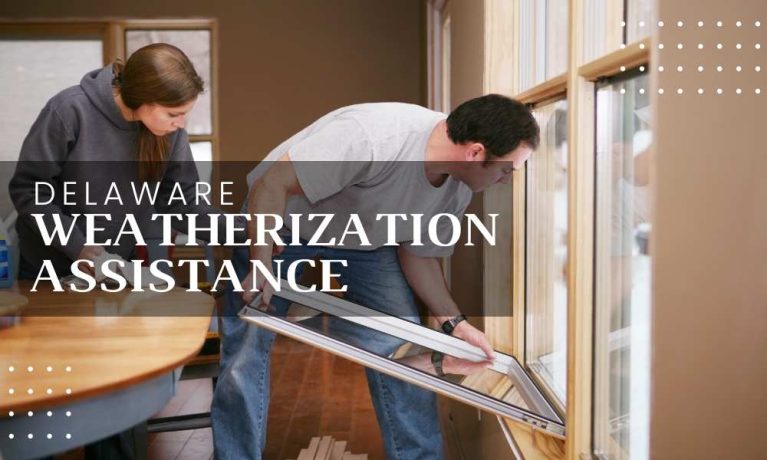
Delaware’s Weatherization Assistance Program

Delaware’s Weatherization Program is administered by The Weatherization Assistance Program (WAP) of the United States Department of Energy (DOE). It provides grants to states, territories, and some Indian tribes to improve the energy efficiency of low-income people’s houses. These governments, in turn, enter into contracts with local governments and philanthropic organizations to provide weatherization services to persons in need, utilizing the most latest technologies for domestic energy efficiency improvements.

Important Features

The Delaware Department of Natural Resources and Environmental Control (DNREC) entitled under the Weatherization Assistance Program offers free of cost services to upgrade an existing home to smartly and systematically increase the indoor quality of a home that is owned or to be owned by low-income households to positively impact the health and to simultaneously reduce the utility bill, especially during the winter.

While many households still pay for heat to help stay warm during cold winters, a high percentage of those payments go straight to a utility company. This is problematic because of how expensive it is to heat an entire home while so much heat loss is quick and unnoticeable, especially during the winter months. That’s why in addition to weatherization, low-income families in Delaware are also in dire need of utility assistance.

Who is eligible to enroll in Delaware’s Weatherization Assistance Program?

Who is eligible to enroll in Delaware's Weatherization Assistance Program

Once your application is accepted and all verification documents are received, your name will be put on the waiting list. You may not receive program services during the 12-month waiting period. You must reapply every year to verify continued income eligibility.  Energy assistance programs can help reduce your energy usage and help you use less energy overall.

To participate in this assistance program and get its benefits, you must be a resident of Delaware. There is the option of providing preference to:

  • Those who are over the age of sixty
  • Families that have at least one disabled member (and preferably more).
  • Households with kids

If you are currently receiving Supplemental Security Income (SSI) or Temporary Assistance to Needy Families (TANF), you are immediately eligible for weatherization assistance under the DOE’s regulations (TANF).

To qualify, your household’s annual gross income must be less than the following amounts, before taxes are deducted:

Annual Household Income Limits (before taxes)
Household Size* Maximum Income Level (Per Year)
1 $27,180
2 $36,620
3 $46,060
4 $55,500
5 $64,940
6 $74,380
7 $83,820
8 $93,260

Add $9,440 for each additional member in a household with more than eight people. Always double-check the instructions with the appropriate controlling agency to confirm that you are following the most recent version.

For further information on how to apply, contact the Community Action Agency in your region.

To determine the location of Delaware’s WAP administrator and any other contact information, go to the Grantee Contacts page.

Learn About the Application Process

What is the best way for me to contact you?

More information is available on the Weatherization Assistance Program website, which is managed by the US Department of Energy.

1-302-735-3480

Delaware Weatherization Assistance Program

Participate in Delaware’s Weatherization Assistance Program to improve your home’s energy efficiency, reduce utility bills, and enhance comfort. Learn how to apply and start saving today!


Learn More and Apply

Delaware DEHAP Utility Assistance: How to Get Help with Energy Bills

0

Struggling to keep up with electricity, gas, or water bills in Delaware? You’re not alone. Rising utility costs can put pressure on households—especially renters with limited income or unexpected hardships. The Delaware Housing Assistance Program (DEHAP) was created to provide critical relief to those facing financial challenges, including utility disconnection or past-due notices.

This guide explains everything you need to know about DEHAP utility assistance, from eligibility and application steps to other programs like LIHEAP that can help you stay current on your bills and avoid service interruptions.


What Is the DEHAP Utility Assistance Program?

What Is the DEHAP Utility Assistance Program?

The Delaware Housing Assistance Program (DEHAP) was initially launched in response to the COVID-19 crisis to help renters behind on rent and utility bills. Since then, it has evolved into a broader relief program for low-income renters in Delaware.

What DEHAP Covers:

DEHAP provides financial support directly to utility providers and landlords on behalf of approved applicants. The program may assist with:

  • Past-due electricity, gas, water, or sewer bills

  • Reconnection fees or charges to restore service

  • Monthly rent if combined rent and utility support are needed

  • Late fees associated with unpaid utility bills

This makes DEHAP one of the most comprehensive safety nets for renters dealing with financial distress due to job loss, medical emergencies, or other crises.


Who Is Eligible for DEHAP Utility Assistance?

To qualify for utility assistance through DEHAP, you must meet specific criteria related to income, housing status, and hardship documentation.

You ARE Eligible If You:

  • Are you a renter living in Delaware

  • Have past-due utility bills or are at risk of service disconnection

  • Have experienced a financial hardship (e.g., job loss, reduced hours, high medical bills)

  • Meet the income limits below (based on 80% of the Area Median Income)

Income Limits for DEHAP (80% AMI – Delaware)

Household Size Maximum Annual Income
1 person $54,150
2 people $61,900
3 people $69,650
4 people $77,350
5 people $83,550
6 people $89,750

? Households with more than six people should refer to the DEHAP website or call for adjusted limits.

You Are NOT Eligible If You:

  • Own your home (DEHAP is strictly for renters)

  • Earn more than 80% of the Area Median Income

  • Are receiving other utility assistance (e.g., LIHEAP) for the same bill you’re applying for under DEHAP


How to Apply for DEHAP Utility Assistance

Applying for DEHAP is straightforward if you gather your documents in advance and follow the steps carefully.

Step 1: Gather Required Documents

You will need to provide documentation to verify your identity, income, housing, and hardship. Be prepared to upload:

  • Government-issued photo ID

  • Proof of income (pay stubs, unemployment benefits, W-2s, tax returns)

  • Most recent utility bill showing past-due balance

  • Current lease agreement (if applying for both rent and utilities)

  • Proof of hardship, such as a job loss letter or medical bills

Step 2: Apply Online

  • Go to the official DEHAP portal: DEHAP Online Application

  • Application takes about 20–30 minutes and can be completed via desktop or mobile

Step 3: Track Your Status

  • Processing usually takes 2–4 weeks, depending on the volume of applications.

  • You’ll receive email or phone updates. Once approved, funds are sent directly to your utility provider—you won’t need to pay anything upfront.

Need Help with Your Application?

  • Call the DEHAP Help Line: (866) 935-0407

  • Visit a local State Service Center for in-person help: Find a Center


Other Utility Assistance Programs in Delaware

Other Utility Assistance Programs in Delaware

Beyond DEHAP, there are additional programs in Delaware that provide utility bill support for both renters and homeowners.

Low-Income Home Energy Assistance Program (LIHEAP) – Delaware

LIHEAP is a federal energy assistance program administered by Delaware Health and Social Services (DHSS). It helps eligible households manage heating and cooling costs, and may also offer weatherization support.

What LIHEAP Offers:

  • Heating assistance during cold months

  • Cooling assistance during the summer heat

  • Emergency funds to prevent shut-offs

Eligibility:

  • Must meet income guidelines (up to 200% of the Federal Poverty Level)

  • Available to both renters and homeowners

How to Apply:

You can apply for both LIHEAP and DEHAP if needed—just not for the same bill.


FAQs: Delaware Utility Assistance Programs

Can I apply for DEHAP if I’m a homeowner?

No. DEHAP is only available for renters. Homeowners should explore LIHEAP or the Weatherization Assistance Program for support.

How long does DEHAP take to process?

Most applications are processed in 2 to 4 weeks, though high demand may cause delays.

Can I apply for both DEHAP and LIHEAP?

Yes. You can receive both forms of assistance as long as they don’t overlap on the same utility bill.

What if I received a shut-off notice?

Act immediately:

  • Call your utility provider to request a payment plan

  • Apply for DEHAP and LIHEAP

  • Contact local nonprofits like The Salvation Army for emergency aid


Next Steps: What to Do Now If You Need Help

If you’re behind on your utility bills, take action now to prevent disconnection or eviction. Here’s a checklist:

  1. Apply for DEHAP online: DEHAP Application Portal

  2. Call LIHEAP at (302) 654-9295 to apply for seasonal energy assistance

  3. Talk to your utility provider about payment extensions or deferred billing

  4. Visit a State Service Center for in-person help with applications or referrals

  5. Call 2-1-1 Delaware for a full list of local agencies offering financial relief

Need Help Paying Energy Bills in Delaware

The DEHAP Utility Assistance Program is here to help qualifying Delaware residents cover energy costs. Whether you’re behind or just trying to stay ahead, support is available now.


Apply for DEHAP Assistance


Washington D.C. Utility Assistance Program

Heating and Cooling ExpensesProgram to Assist Low-Income Residents with Heating and Cooling Expenses in the District of Columbia

The Washington D.C. utility assistance program is a federally funded program that assists low-income families and individuals in paying their home energy bills. You may be eligible for LIHEAP (Low Income Home Energy Assistance Program) to keep you warm in the winter and cool in the summer. If you follow these procedures, you can reduce your chances of encountering health and safety difficulties (such as illness, fire, or eviction).

It is possible that the District of Columbia’s LIHEAP program will be able to assist you in one or more of the following areas:

Who is eligible to take part in this program?

eligibleTo be eligible for this benefit program, you must be a resident of the District of Columbia and demonstrate that you are in need of financial assistance with your home’s energy expenses.

If a person participates in or has family members who participate in certain other benefit programs, such as SNAP, SSI, or TANF, that person automatically meets the qualifying requirements for those programs.

Furthermore, in order to qualify for this aid program, your yearly household income (before taxes) must be less than sixty percent of the state’s median income:

Annual Household Income Limits (before taxes)
Household Size* Maximum Income Level (Per Year)
1 $42,920
2 $56,126
3 $69,332
4 $82,538
5 $95,744
6 $108,950
7 $111,427
8 $113,903

*Add $2,476 for each additional person living in a home if there are more than eight persons.

applicationWhere can I find the program’s application?
If you want to submit your LIHEAP application online, please go to the District Department of the Environment’s website at DC.gov.

For further information about applications, please visit the EnergySmart DC page.

Energy Assistance Program for the District of Columbia

What is the best way for me to contact you?

Visit the DC LIHEAP page for more information. You could also visit our website which addresses frequently asked questions concerning energy assistance.

For more information on the LIHEAP assistance program, please contact:

  • LIHEAP administration is carried out by state or territorial agencies.
  • LIHEAP is a government program for Indian tribes or tribal organizations.

1-202-535-2600

District of Columbia

Mr. Richard Jackson
Senior Deputy Director
Affordability and Energy Division
Department of Energy & Environment
Government of the District of Columbia
1200 First Street, NE  5th Floor
Washington, D.C. 20002
TEL: (202) 654-6017
FAX: (202) 535-2881
E-MAIL: richard.jackson2@dc.gov
PUBLIC INQUIRIES: 202-535-2600

Washington D.C. Weatherization Assistance Program

Washington D.C. Weatherization Assistance Program

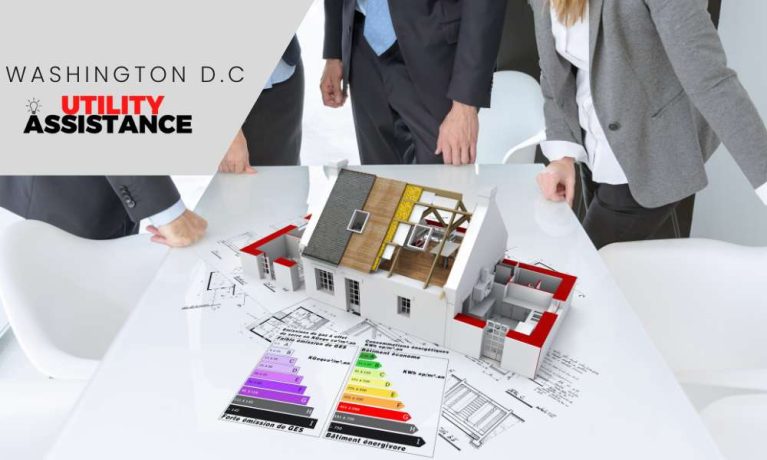
The Washington D.C. Weatherization Assistance Program (WAP) is funded by the US Department of Energy and the U.S. Department of Health and Human Services. Its goal is to assist low-income families to make their homes more energy efficient. The program conducts an energy audit and recommends energy-efficient improvements. In the District, the WAP is administered by select community-based organizations and non-profit groups. These organizations hire local contractors to install recommended efficiency upgrades. Weatherization is also tied to the Washington D.C. utility assistance program.

How Does Weatherization Work?

Weatherization is the process of installing insulation, weather stripping, and caulking to cover your home’s gaps and crevices. Weatherization increases the energy efficiency of your home by limiting air intrusion.  Here is what basic weatherization in D.C. entails:

  • Insulating walls, ceilings, and floors to prevent heat loss
  • Installing weather stripping around windows and doors to seal gaps
  • Sealing gaps around pipes, ducts, and other openings with caulk. This improves the home’s energy efficiency and comfort.

Weatherization measures include insulation, duct sealing, heating, and cooling system repairs or replacement, air infiltration mitigation, and lowering electric base load consumption with energy-efficient light-emitting diode (LED) lighting and energy star appliances.

Who is eligible to take part in this program?

In order to be eligible for this assistance program, you must reside in the District of Columbia. There is the option of providing preference to:

  • Those who are over the age of sixty
  • Families that have at least one disabled member (and preferably more).
  • houses containing children (in most states)

If you are currently receiving Supplemental Security Income (SSI) or Temporary Assistance to Needy Families (TANF), you are immediately eligible for weatherization assistance under the DOE’s regulations (TANF).

Furthermore, to be eligible for this program, your yearly household income (before taxes) must be less than 63 percent of the state’s median income:

Annual Household Income Limits (before taxes)
Household Size* Maximum Income Level (Per Year)
1 $45,066
2 $58,932
3 $72,799
4 $86,665
5 $100,532
6 $114,398
7 $116,998
8 $119,598

*Add $2,600 for each additional person in a household of more than eight people.

Where can I find the program’s application?
You can apply for this program by dialing 3-1-1 or by going online.

Submit an Application for Weatherization Assistance in DC.

What is the best way for me to contact you?

If you need more information about this program, call (202) 299-3316.

1-808-586-8675

Florida Weatherization Assistance

0

Florida’s Weatherization Assistance Program

Florida’s Weatherization Assistance Program (WAP) provides funds to community action agencies, local governments, Indian tribes, and other non-profit organizations around the country to encourage energy-saving home improvements for low-income families. A mechanism that takes demographic and weather data into account is used to determine the average grant amount for each home, which is $2,600.

What is weatherization?

Weatherization is the method of maximizing the energy efficiency of a building. It entails sealing cracks, replacing windows, and insulating walls and ceilings. The advantages of weatherization cannot be overemphasized. It can reduce your monthly utility costs, enhance the indoor air quality of your home, and even protect you against fire.

Insulation, weather stripping, water heater covers, and reduced air infiltration are all protective measures. Such as furnaces and air conditioners, and HVAC systems can be repaired or replaced. Each residence must undergo a comprehensive energy inspection and diagnostic testing. The house’s information is entered into a computer program, and a printout is supplied. The printout is analyzed to establish the measures that, if implemented, should reduce the home’s energy use, hence lowering the customer’s monthly electricity bill.

Who is eligible to enroll in Florida’s Weatherization Assistance Program?

In order to qualify for this welfare program, you must be a Florida resident. There is the option of providing preference to:

  • Those who are over the age of sixty
  • Families that have at least one disabled member (and preferably more).
  • Families with children are eligible

Another qualifying factor is if you are currently receiving Supplemental Security Income (SSI) or Temporary Assistance to Needy Families (TANF).

To qualify, your household’s annual gross income must be less than the following amounts, before taxes are deducted:

Annual Household Income Limits (before taxes)
Household Size* Maximum Income Level (Per Year)
1 $27,180
2 $36,620
3 $46,060
4 $55,500
5 $64,940
6 $74,380
7 $83,820
8 $93,260

*Add $9,440 for each additional member in a household with more than eight people. Always double-check the instructions with the appropriate controlling agency to confirm that you are following the most recent version.

What steps do I need to take to apply for the Florida Weatherization Assistance Program?

View the Community Assistance Local Programs and Contacts List page and then contact the organization listed under the county where you currently live to find out where to apply for assistance in your region.

You can go online and print out a Client Intake Form to fill out and then turn it in to the local provider agency in your region, along with proof of your income.

Local Weatherization Office in your Community

What is the best way for me to contact you?

For more information on Florida’s Weatherization Assistance Program, please visit their website.

1-850-245-7105

Comprehensive Guide to Utility Assistance in Georgia for Low-Income Families

0

If your utility bills are piling up and you’re worried about how you’re going to keep your home warm this winter or cool this summer, you’re not alone—and you’re not without options. Georgia offers several programs designed to lift some of that weight off your shoulders. Whether you’re facing a temporary crisis or living on a tight budget year-round, help is available to keep your lights on and your family comfortable.

Understanding Utility Assistance in Georgia

One of the most impactful resources is the Georgia Energy Assistance Program (EAP), also known as LIHEAP (Low Income Home Energy Assistance Program). This federally funded program provides seasonal financial help—Heating Assistance in the cold months and Cooling Assistance during the sweltering Georgia summers.

Support comes in the form of a one-time payment made directly to your utility provider. The goal? To help you stay safe and avoid disconnection. EAP works closely with gas, electric, and other energy providers across Georgia to ensure services continue for those who need them most.

Who Qualifies for the Georgia Energy Assistance Program?

Eligibility starts with being a Georgia resident facing financial hardship when it comes to covering heating or cooling costs. If you’re already receiving programs like Food Stamps, TANF, or SSI, that might fast-track your qualification.

But even if you’re not on those programs, you might still qualify based on household income. Here’s a look at the current income guidelines:

Household Size Maximum Income (Annual)
1 $26,474
2 $34,620
3 $42,765
4 $50,911
5 $59,057
6 $67,202
7 $68,730
8 $70,257

*For households larger than 8, add $1,527 for each additional person.

Types of Utility Assistance in Georgia

Beyond LIHEAP, Georgia has a few other resources that can step in when things get tight:

Emergency Help from Project SHARE

This program—often offered through local nonprofits or faith-based groups—provides one-time emergency assistance for energy bills. If your lights are about to be shut off, Project SHARE could be the help you need to get through the month.

Income-Based Discounts and Payment Plans

Many utility companies in Georgia, including Georgia Power and local gas providers, offer income-qualified discounts and senior citizen rates. They also have budget billing options and deferred payment plans—meaning you can break up your payments and avoid late fees while you catch up.

If you’re unsure whether you qualify for these discounts, don’t guess. Call your provider and ask—they’ll walk you through your options.

Weatherization Assistance: Lower Bills for the Long Term

Ever feel like your heater’s running nonstop and your house is still cold? That might be because your home is losing energy. Weatherization programs—especially in areas like DeKalb County—provide funding to help improve insulation, seal air leaks, and upgrade old appliances. The result? Lower monthly bills and a more comfortable home, year-round.

Applying for Utility Assistance in Georgia

Ready to apply? Here’s what you’ll need:

  • Proof of income for everyone in your household
  • Your most recent energy bill
  • Proof of Georgia residency (like a lease, utility bill, or driver’s license)

You can apply online through local community action agencies or call a local office to set up an in-person appointment. If your energy provider is Georgia Power, Atlanta Gas Light, or another major utility, they may also be able to connect you with application resources.

Looking Ahead: Georgia’s Energy Future

Georgia is making moves to ensure long-term sustainability, including expanding its energy infrastructure with new nuclear and renewable energy units. While these projects aim to keep your energy stable and affordable in the future, programs like LIHEAP and Project SHARE are here for you right now.

Helpful Resources

Apply for Georgia’s Utility Assistance Program

Whether you need immediate help or just want to prepare for the coming season, the Low-Income Home Energy Assistance Program (LIHEAP) in Georgia is here to support you. Don’t wait until your service is at risk—apply today and get the peace of mind you deserve.

Ready to Apply for Energy Assistance?

Start your application today and take the first step toward reducing your energy bills and keeping your home safe and comfortable.

Apply Now

Georgia

0

Georgia Weatherization Assistance Program?

The Weatherization Assistance Program (WAP) of the United States Department of Energy (DOE) provides grants to states, territories, and some Indian tribes to improve the energy efficiency of low-income people’s houses. These governments, in turn, enter into contracts with local governments and philanthropic organizations to provide weatherization services to persons in need, utilizing the most latest technologies for domestic energy efficiency improvements.

Who is eligible to enroll in Georgia’s Weatherization Assistance Program?

To participate in this assistance program and get its benefits, you must be a resident of Georgia. There is the option of providing preference to:

  • Those who are over the age of sixty
  • Families that have at least one disabled member (and preferably more).
  • houses containing children (in most states)

If you are currently receiving Supplemental Security Income (SSI) or Temporary Assistance to Needy Families (TANF), you are immediately eligible for weatherization assistance under the DOE’s regulations (TANF).

To qualify, your household’s annual gross income must be less than the following amounts, before taxes are deducted:

Annual Household Income Limits (before taxes)
Household Size* Maximum Income Level (Per Year)
1 $27,180
2 $36,620
3 $46,060
4 $55,500
5 $64,940
6 $74,380
7 $83,820
8 $93,260

*Add $9,440 for each additional member in a household with more than eight people. Always double-check the instructions with the appropriate controlling agency to confirm that you are following the most recent version.

What actions do I need to take to apply for the Georgia Weatherization Assistance Program?

To apply, please contact a weatherization service provider in your area.

Visit the Weatherization Agency Contacts page to find Georgia’s WAP administrator and any other contact information you might need.

Provider of weatherization-related services

What is the best way for me to contact you?

For more information, please visit the Georgia Weatherization Program’s website.

More information is available on the Weatherization Assistance Program website, which is managed by the US Department of Energy.

1-800-436-7442

Portland, ME Utility Assistance

0

Portland, ME Utility Assistance Program

Utility AssistanceAccording to a survey by Arcadia Power that analyzed data from 120,000 utility customers in the Northeast United States, there’ve been significant increases in past-due utility payments from 2019 to 2020. Customers from 13 states and the District of Columbia owed $8 billion in past-due power bills at the end of 2020.

Through the Portland, ME Home Energy Assistance Program (HEAP), however, qualified homeowners and renters in Portland, ME can get help paying their utility bills. People who get this benefit can expect help with utility bills. If you qualify for HEAP, you may also be able to get help with the cost of repairs that are related to energy.

To apply, you need to fill out a written application and have an interview to find out if you are eligible and how much you will get. This can take anywhere from a few weeks to over a month. Different amounts of help are given to eligible households based on their size, income, and other factors.

What is HEAP?

energy assistanceHEAP is a low-income energy assistance program that can help cover the cost of your annual home heating expenses. Your benefit amount is determined by your family size and household income. What does it entail? You may be able to get help paying for your gas bill if you:

  • Have less than a seven (7) day supply
  • Have received an eviction notice, or,
  • Cannot pay your gas bill

Portland, ME households that need help with heating costs must apply for the HEAP program. The application is free and is not considered income. You can apply even if you applied before, were denied, or think you may have income above the limits.

Eligibility

EligibilityHow much HEAP help you may be eligible for depends on the size of your household, how much money you make, how much your energy bills cost, and other factors. To get help, your household’s annual income must be at or below 150% of the Federal Poverty Level (FPL) or 60% of the State’s FPL, whichever is higher.

Even if your landlord pays for your utilities, you can still get help from Portland’s HEAP.  You may be able to get more help if you only have enough heating fuel for less than three days or if you are in danger of losing your utilities because you can’t pay your energy provider.

If you qualify for HEAP, you may also be eligible for the following programs:

If your heating system needs to be fixed or replaced, the Central Heating Improvement Program (CHIP) might be able to help you out.

If you apply for HEAP, you will also be considered for the Low Income Assistance Plan, Weatherization, and Central Heating Improvement programs. Check out our list of agencies to contact for more information.

At the time of the application, the names and Social Security numbers of everyone living in the home should be given—income statements for the last 30 days, one month, or one year. Household income can come from many places, like a job’s salary, Social Security, unemployment, a pension, or a disability check.

Proof of where you live now (for example, a rent receipt, lease, deed, or property tax bill).

Copies of your most recent or most recent utility bills.

The source of heat for your home (natural gas, heating oil, propane, wood, wood pellets, biobricks, coal, corn, kerosene, or electricity).


Need to apply? Help with home energy costs may also be available through your local General Assistance Program. Call the Maine Department of Health and Human Services (DHHS) at 1-800-442-6003, or dial 7-1-1 for Maine Relay for more information.